TSA Wait Times Soar as ICE Agents Deploy to Airports Amid Crisis
Updated

Share
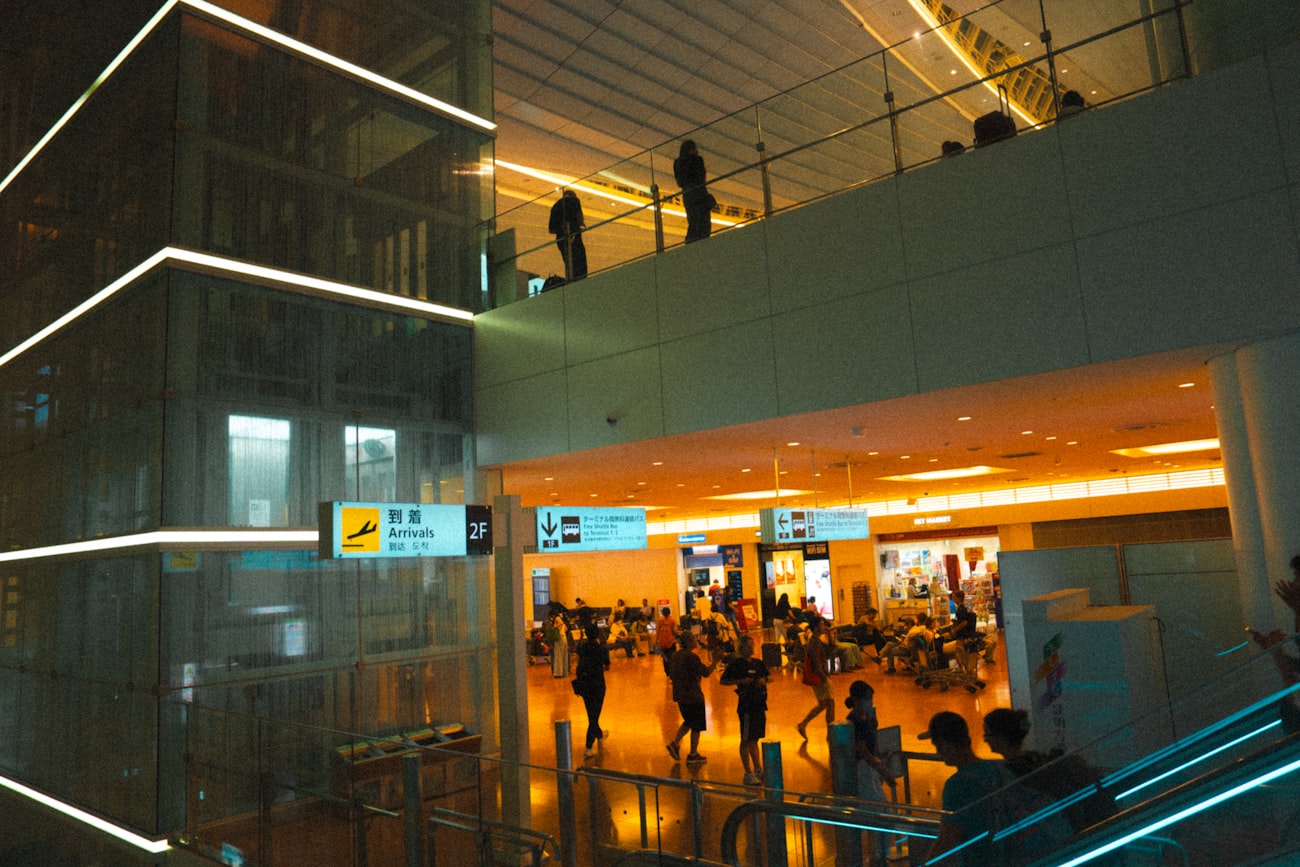
TSA checkpoint wait times have exploded to over 5 hours at major US airports as federal funding shortfalls force unprecedented ICE agent deployment to maintain security operations. The crisis has transformed routine air travel into a logistical nightmare for millions of passengers.
From Houston Hobby to Boston Logan, travelers now face the longest security lines in aviation history. Understanding current conditions and preparation strategies has become essential for anyone planning domestic or international flights in 2026.
Current TSA Wait Times by Major Airport
Real-time data from January 2026 reveals dramatic variations in TSA checkpoint processing times across the United States. Peak travel periods now extend from 4:00 AM to 11:00 PM at most major hubs.
East Coast Airport Conditions
East Coast airports face some of the most severe delays nationwide:
- Newark Airport TSA wait times average 4.2 hours during morning rush (6-9 AM)
- Boston Logan TSA wait times peak at 3.8 hours for domestic terminals
- LaGuardia TSA wait times reach 5.1 hours on Sundays and Mondays
- BWI TSA wait times fluctuate between 2.5-4.0 hours depending on terminal
| Airport | Average Wait (Peak) | Average Wait (Off-Peak) | TSA PreCheck Wait |
|---|---|---|---|
| Newark (EWR) | 4.2 hours | 2.1 hours | 45 minutes |
| Boston Logan (BOS) | 3.8 hours | 1.9 hours | 38 minutes |
| LaGuardia (LGA) | 5.1 hours | 2.8 hours | 52 minutes |
| BWI | 3.2 hours | 1.6 hours | 41 minutes |
The Philadelphia TSA checkpoint closure in Terminal D has redirected all passenger flow to Terminals A and B, creating bottlenecks that extend wait times by an additional 90 minutes on average.
Southern and Central Hub Delays
Southern airports show mixed performance with some benefiting from ICE agent assistance:
- Atlanta airport TSA wait times average 4.7 hours at domestic terminals during peak periods
- Tampa airport TSA wait times remain relatively stable at 2.3 hours peak, 1.1 hours off-peak
- Dallas Love Field TSA wait times spike to 3.9 hours on weekends
- Houston Hobby TSA wait times fluctuate between 2.8-4.2 hours based on Southwest Airlines schedule concentration
Atlanta’s Hartsfield-Jackson remains the most affected major hub due to its status as the world’s busiest airport, processing over 110 million passengers annually even with current restrictions.
Western Airport Performance and Phoenix Conditions

Western airports demonstrate varying levels of crisis management effectiveness. Phoenix airport TSA wait times have stabilized around 3.1 hours during peak periods thanks to early ICE agent deployment and streamlined checkpoint procedures.
Major Western Hub Analysis
California and western state airports face unique challenges:
- LAX TSA wait times reach 4.8 hours during international departure peaks (1-4 PM daily)
- Phoenix Sky Harbor maintains better flow with average 3.1-hour waits during rush periods
- Seattle-Tacoma experiences moderate delays averaging 2.9 hours peak, 1.4 hours off-peak
- Denver International benefits from expanded terminal space, limiting waits to 2.7 hours maximum
| Western Airport | Peak Hours Wait | Weekend Average | ICE Support Level |
|---|---|---|---|
| LAX | 4.8 hours | 4.2 hours | High |
| Phoenix (PHX) | 3.1 hours | 2.8 hours | Moderate |
| Seattle (SEA) | 2.9 hours | 2.5 hours | Low |
| Denver (DEN) | 2.7 hours | 2.3 hours | Moderate |
Phoenix’s relatively better performance stems from proactive state-level coordination with federal agencies and investment in automated screening technology deployed in late 2025.
Why TSA Agents Are Not Getting Paid
The fundamental question driving this crisis centers on federal appropriations and budget allocation failures. TSA agents face unprecedented financial hardship as political disagreements stall essential security funding.
Budget Allocation Breakdown
Congressional budget negotiations have stalled over several key issues:
- TSA baseline funding requires $8.7 billion annually for 2026 operations
- Current appropriations cover only $6.2 billion, creating a $2.5 billion shortfall
- Personnel costs account for 77% of TSA’s total operational budget
- Technology upgrades demand additional $890 million not included in current proposals
The Transportation Security Administration employs approximately 47,000 screening officers nationwide, with average salaries ranging from $41,000-$67,000 annually depending on experience and location.
Federal Employee Impact
TSA workforce challenges extend beyond immediate pay issues:
- Officer sick call rates increased 340% since funding uncertainty began
- Voluntary resignation submissions rose 180% in December 2025
- Training programs for new hires suspended indefinitely
- Overtime authorization eliminated except for critical security events
These staffing reductions directly correlate with extended wait times and reduced checkpoint throughput capacity across all major airports nationwide.
ICE Agents TSA Deployment Strategy
Immigration and Customs Enforcement agents now supplement TSA operations at 23 major airports nationwide. This unprecedented deployment represents the largest inter-agency security cooperation in US aviation history.
Deployment Locations and Effectiveness
ICE agent assignments prioritize high-volume airports with critical security requirements:
- JFK International: 47 ICE agents supporting 4 terminal checkpoints
- Chicago O’Hare: 52 agents distributed across terminals 1, 2, and 3
- Los Angeles International: 41 agents focusing on international departure screening
- Miami International: 38 agents handling Caribbean and Latin American traffic
| Airport | ICE Agents Deployed | Checkpoint Coverage | Wait Time Reduction |
|---|---|---|---|
| JFK | 47 | 85% of terminals | 22% |
| O’Hare | 52 | 90% of terminals | 18% |
| LAX | 41 | 70% of terminals | 15% |
| Miami (MIA) | 38 | 80% of terminals | 25% |
Initial data suggests ICE support reduces average wait times by 15-25% compared to TSA-only operations, though overall delays remain significantly elevated above normal levels.
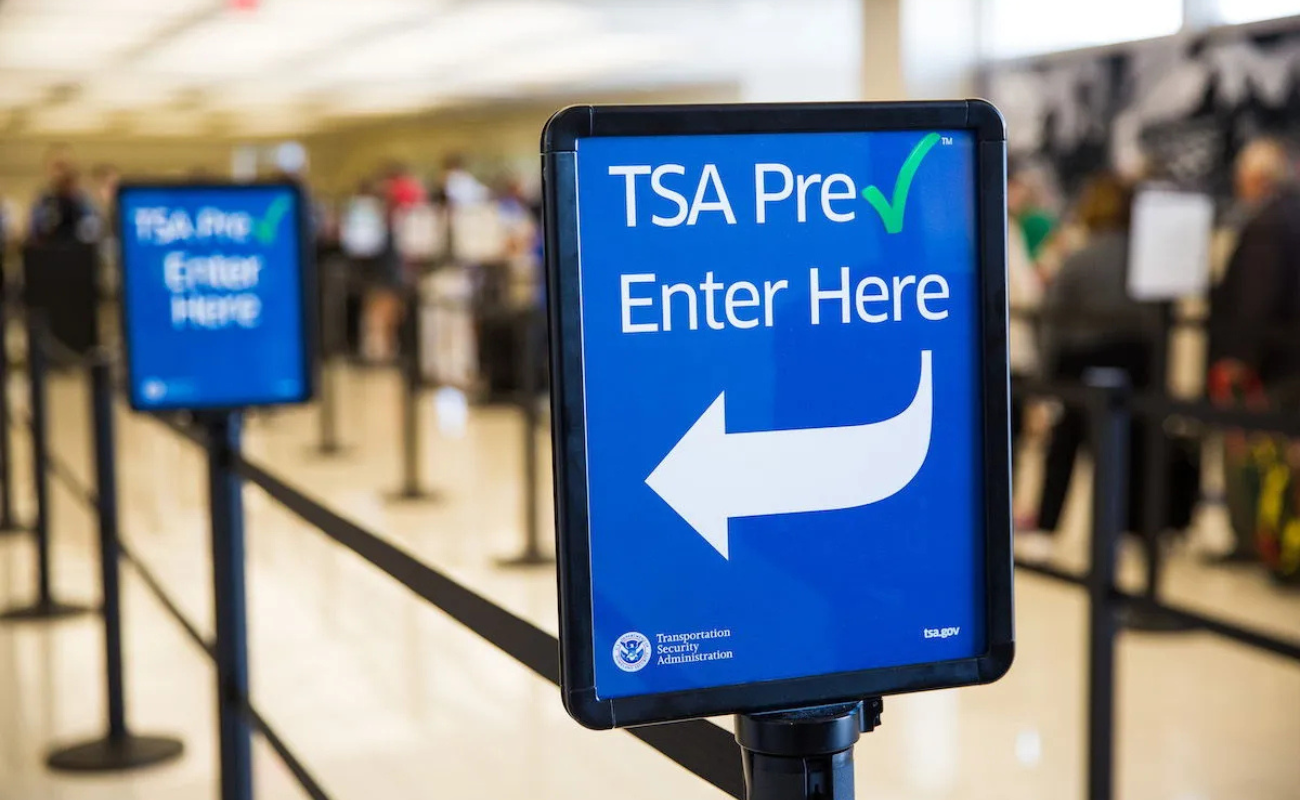
TSA PreCheck and Expedited Screening Options
TSA PreCheck enrollment has surged 420% since the crisis began, with processing times extending from 2 weeks to 8-10 weeks for new applications. Current members experience reduced but still elevated wait times.
PreCheck Performance During Crisis

Even expedited screening faces unprecedented delays:
- TSA PreCheck average wait times: 45-60 minutes (normally 5-15 minutes)
- Global Entry checkpoint processing: 35-50 minutes for international arrivals
- Clear membership benefits reduced due to limited lane availability
- NEXUS and SENTRI program advantages minimal during peak hours
The current carry-on restrictions remain unchanged despite operational challenges, though enforcement varies significantly between airports and individual checkpoints.
Alternative Security Programs
Several programs offer potential relief for frequent travelers:
- Mobile Passport Control reduces customs wait times by average 40%
- Known Crewmember (KCM) programs maintain near-normal processing speeds
- Registered Traveler programs show mixed effectiveness depending on airport
- Corporate security programs provide limited bypass options for business travelers
Despite these alternatives, standard security screening remains the primary bottleneck affecting 89% of all passengers during the current crisis period.
Regional Airport Wait Time Analysis
Mid-size and regional airports demonstrate varying performance levels, with some maintaining near-normal operations while others struggle with skeleton TSA staffing.
Midwest Regional Performance
Cincinnati CVG TSA wait times average 2.4 hours during peak periods, significantly better than major hub airports but still triple normal levels. Smaller airports like Columbus and Indianapolis maintain 1.8-2.2 hour averages.
Chicago O’Hare TSA wait time data shows the most dramatic increases nationwide:
- Terminal 1: 5.3 hours during morning departure rush
- Terminal 2: 4.7 hours average across all operating hours
- Terminal 3: 5.8 hours peak, with some passengers reporting 7+ hour waits
- Terminal 5 (international): 4.2 hours for departing flights
Texas Airport Network Status
Texas airports show mixed performance with Dallas and Houston experiencing severe delays while smaller cities maintain better throughput:
| Texas Airport | Current Wait Times | Normal Operations | Increase Factor |
|---|---|---|---|
| Houston Hobby (HOU) | 3.4 hours | 25 minutes | 8.2x |
| Dallas Love Field | 3.9 hours | 22 minutes | 10.6x |
| Austin-Bergstrom | 2.1 hours | 18 minutes | 7.0x |
| San Antonio | 1.8 hours | 15 minutes | 7.2x |
Houston’s George Bush Intercontinental (IAH) TSA wait times reach 4.6 hours during international departure windows, making it one of the most affected airports nationwide.
Traveler Survival Strategies and Future Outlook
Passengers must adapt travel strategies to navigate the current security crisis effectively. Industry experts recommend arriving 5-6 hours before domestic flights and 6-7 hours for international departures.
Essential Travel Preparation Tips
Successful navigation requires comprehensive advance planning:
- Monitor real-time TSA wait times using official airport apps and websites
- Book flights during off-peak hours (typically 11 PM – 5 AM departures)
- Consider alternative airports within driving distance of your destination
- Pack essentials in carry-on assuming potential overnight airport stays
- Maintain flexible flight bookings allowing same-day changes without penalties
The flight booking process now requires additional consideration of airport security conditions and potential delays that could affect connecting flights.
Long-term Resolution Timeline
Congressional negotiations continue with potential resolution scenarios:
- Emergency funding bill could provide temporary 90-day relief
- Full appropriations resolution requires bipartisan agreement on broader spending measures
- Private security contractor augmentation under consideration for major hubs
- Technology acceleration programs could reduce long-term staffing requirements
Aviation industry analysts project normal operations resumption within 4-6 months assuming successful funding resolution, though full staff restoration may require 8-12 months due to training requirements.
Conclusion
The TSA wait times crisis represents the most significant aviation security challenge since 9/11, affecting millions of travelers daily. While ICE agent deployment provides temporary relief, fundamental funding solutions remain essential for long-term operational stability.
Travelers must maintain flexibility and prepare for extended airport processing times throughout 2026. Monitoring real-time conditions and adjusting travel schedules accordingly will remain crucial until normal operations resume.
For more travel guides and aviation insights, explore the full collection at TalkTravel.
Frequently Asked Questions
How long are TSA wait times currently at major airports?
TSA wait times range from 2.7 hours at Denver International to over 5 hours at LaGuardia during peak periods. Most major airports average 3-4 hours for standard security screening.
Why are TSA agents calling in sick during the funding crisis?
TSA agents face financial hardship due to delayed paychecks and uncertain employment status. Sick call rates increased 340% since funding uncertainty began, with many agents seeking alternative employment.
Do TSA PreCheck holders still face long wait times?
Yes, TSA PreCheck wait times now average 45-60 minutes compared to normal 5-15 minute processing. However, PreCheck holders still experience significantly shorter waits than standard security lanes.
How are ICE agents helping with airport security screening?
ICE agents supplement TSA operations at 23 major airports, providing additional screening personnel and reducing wait times by 15-25% compared to TSA-only operations during the crisis.
When will normal TSA operations resume?
Aviation analysts project 4-6 months for normal operations assuming successful congressional funding resolution, though full staffing restoration may require 8-12 months due to training requirements.
What airports have the shortest TSA wait times right now?
Smaller regional airports maintain the shortest wait times, averaging 1.8-2.4 hours. Denver International and Tampa airports show better performance among major hubs with 2.3-2.7 hour averages.
Should I change my travel plans due to TSA delays?
Consider arriving 5-6 hours early for domestic flights and 6-7 hours for international departures. Alternative airports within driving distance may offer shorter wait times and more reliable scheduling.
Share
Published by TalkTravel — a community of travel enthusiasts sharing real advice.
Have feedback? Contact our team.