What Is Slow Travel? The Case for Going Somewhere Slowly

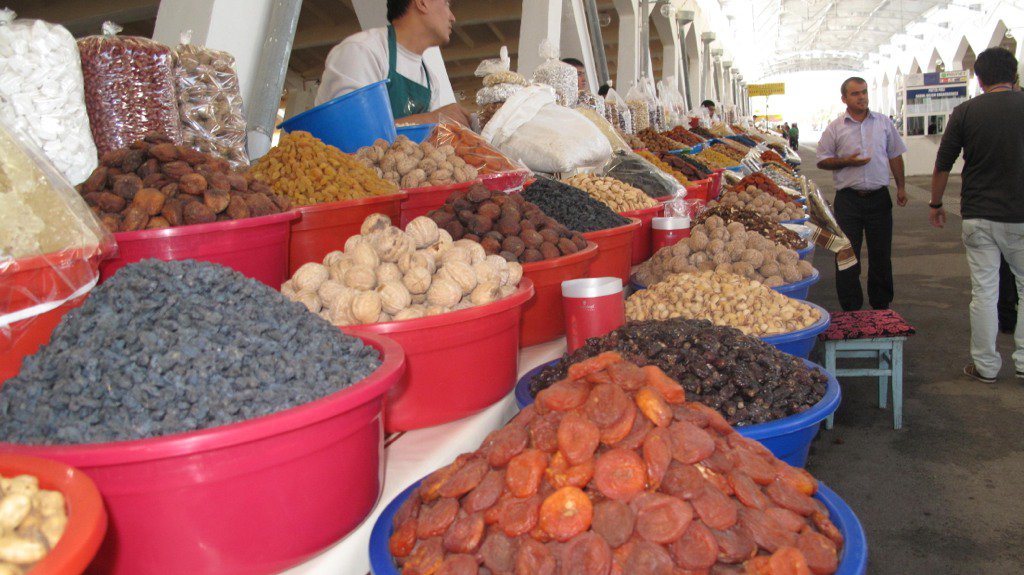
Ask most people about their last vacation two months later and watch what happens. They remember one meal, one conversation, one moment when something unexpected occurred. The rest — the itinerary, the landmarks, the packed schedule — has compressed into a vague impression of having been somewhere.
Fast travel is very good at producing that feeling. I've done both kinds of travel enough times to know the difference in the body. The trips that stay with me — really stay, the kind where a smell or a quality of light five years later drops you back into a specific moment in a specific place — are almost never the efficient ones. They're the ones where something slowed down long enough for a place to actually land.
Slow travel — also called slow tourism — means deliberately choosing depth over breadth: fewer places, more time, immersion in local life rather than a checklist of landmarks. It's the opposite of the five-countries-in-seven-days itinerary. The Italian Slow Food movement inspired the style of travel, and now the academic definition involves reducing mobility, maximizing time, and prioritizing local culture. But like most things that get academic frameworks attached to them, people were doing it long before anyone named it. Staying longer. Moving less. Eating where the family eats. Learning one place instead of surveying many. Going back.
What Slow Travel Actually Means
Carlo Petrini founded Slow Food in Italy in 1989 — partly as a protest against a McDonald's opening near the Spanish Steps in Rome. His argument was simple: when you speed up the relationship between people and food, you lose the thing that made the food worth eating. The same argument applies to places. Speed up the relationship between a traveler and a destination and you lose the thing that made the destination worth visiting.
The movement spread fast enough that by the time I was living in China, there were chapters forming there too. I started a blog called Organic China and eventually helped launch Slow Food China, and later Slow Food India, working with chefs including Christian Rassinoux. The hunger for that kind of connection — to where things came from, who made them, what got lost when the supply chain swallowed the producer — wasn't Italian. It was everywhere.
From Slow Food came Cittaslow — a network of towns committed to a slower pace of life, preserving local character against homogenization. And from Cittaslow came slow travel and slow tourism, which apply the same argument to how people travel: when you move fast enough through a place, what you're consuming isn't really the place. It's a curated surface of the place, optimized for visitor throughput.
"We have lost our sense of time. We believe that we can add meaning to life by making things go faster. We have an idea that life is short — and that we must go faster to fit everything in. But life is long. The problem is that we don't know how to spend our time wisely."
In 2009, travel writer Nicky Gardner picked up the thread with the Slow Travel Manifesto. Her argument wasn't limited to pace but perception. A city square wasn't designed as a place for tourists. It was designed as the context for everyday lives. It deserves more than a casual glance. The tourist moves through it; the slow traveler sits in it long enough for something to happen.
Gardner also made a point that gets overlooked: slow travel isn't simply a preference for trains over planes. Some fast trains are too fast to afford any appreciation of the landscape they're crossing. The question isn't the mode of transport — it's whether you're moving at a pace that allows a place to reach you.
"Don't let the anticipation of arrival eclipse the pleasure of the journey."
One clarification: slow travel is not the same as green travel, even though you'll often see them conflated. Slow travel is about the pace and depth of engagement with a place. Green travel is about the carbon footprint of how you get there. They can overlap — but you can take a long-haul flight to Nepal and travel slowly once you arrive, or take the train across Europe and still spend two nights in eight cities. For another travel trend, read about coolcations.
Why It's Growing Now
Slow travel isn't new — historically it was almost the default. The most obvious accelerant today is remote work: if you can work from anywhere, the logic of the one-week sprint to six cities isn't necessary. Why not spend a month somewhere and actually know it? The digital nomad visa is now a real thing offered by dozens of countries specifically because governments recognize this behavioral shift.
Overtourism has made fast travel less pleasant. Amsterdam, Venice, Dubrovnik, Santorini — the places that once defined aspirational travel are now so saturated that the experience has degraded for everyone. This pushes travelers toward places that haven't been discovered yet, which typically means slower, less accessible, less Instagram-saturated destinations.
There is a growing sense, post-pandemic, that the productivity-optimized life — including the productivity-optimized vacation — is missing something. Sheila Liming's book Hanging Out argues that we've been so thoroughly trained to treat time as a raw ingredient to be converted into output that we've lost the ability to spend it any other way. Slow travel is permission to savor rather than optimize.
A Forest on the Nepal–India Border
Eastern Nepal moves slowly. In the homestay kitchen, chhurpi hung drying from the ceiling rafters — the world's hardest cheese, made from yak milk, smoked over the fire for months until it becomes something you can't eat so much as slowly yield to, holding a cube in your mouth for hours while it softens. A culture that has never needed to be told to slow down built it into the food itself.
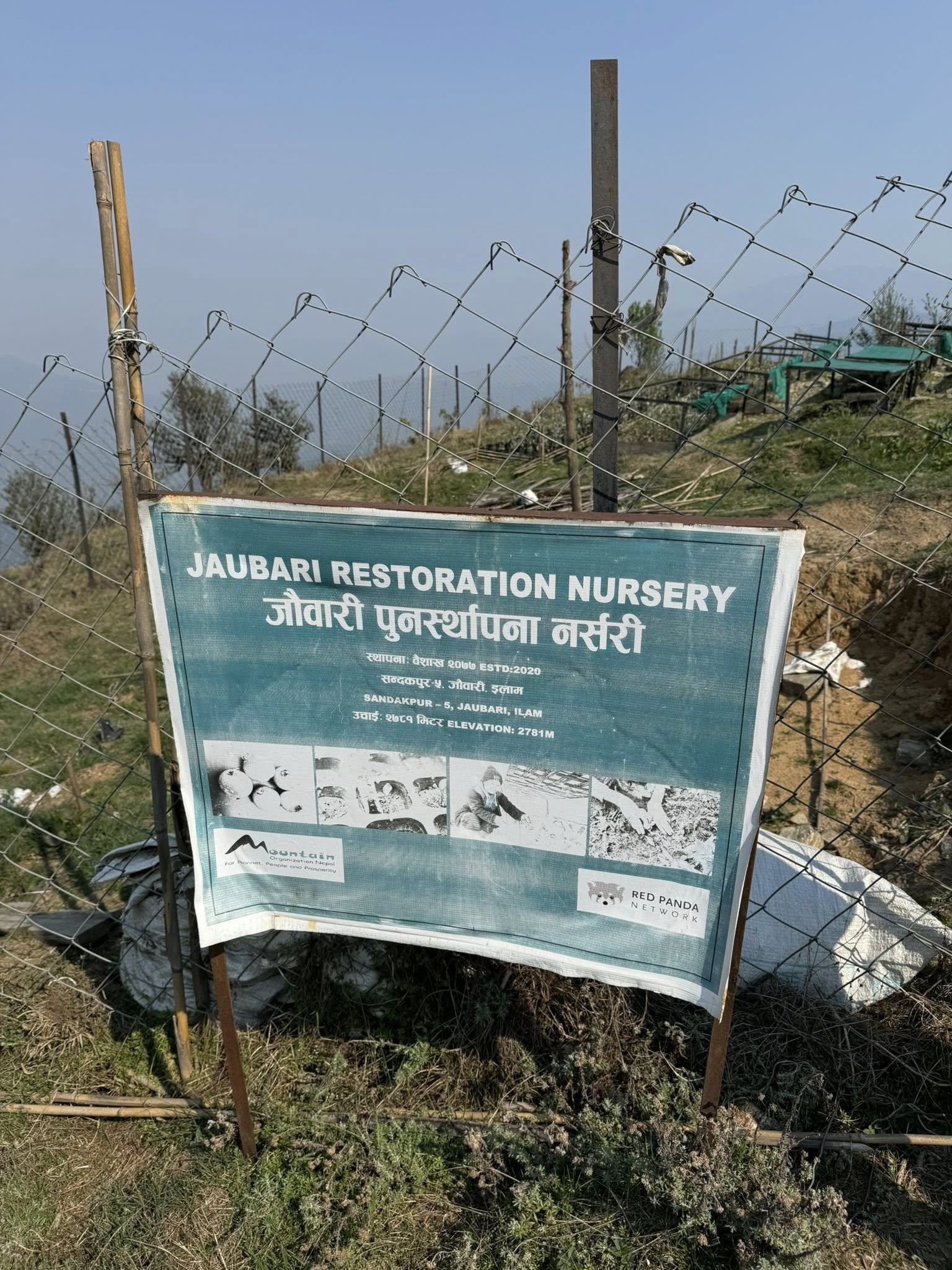
Near Jaubari, along the border with India, I walked a Red Panda Network reforestation project — bamboo forest, newly planted, at a stage of development where a determined goat could end the whole project in an afternoon. For days, my search for red pandas led somewhere else at their own pace, indifferent to itineraries; especially mine. I only found one at the very last moment.
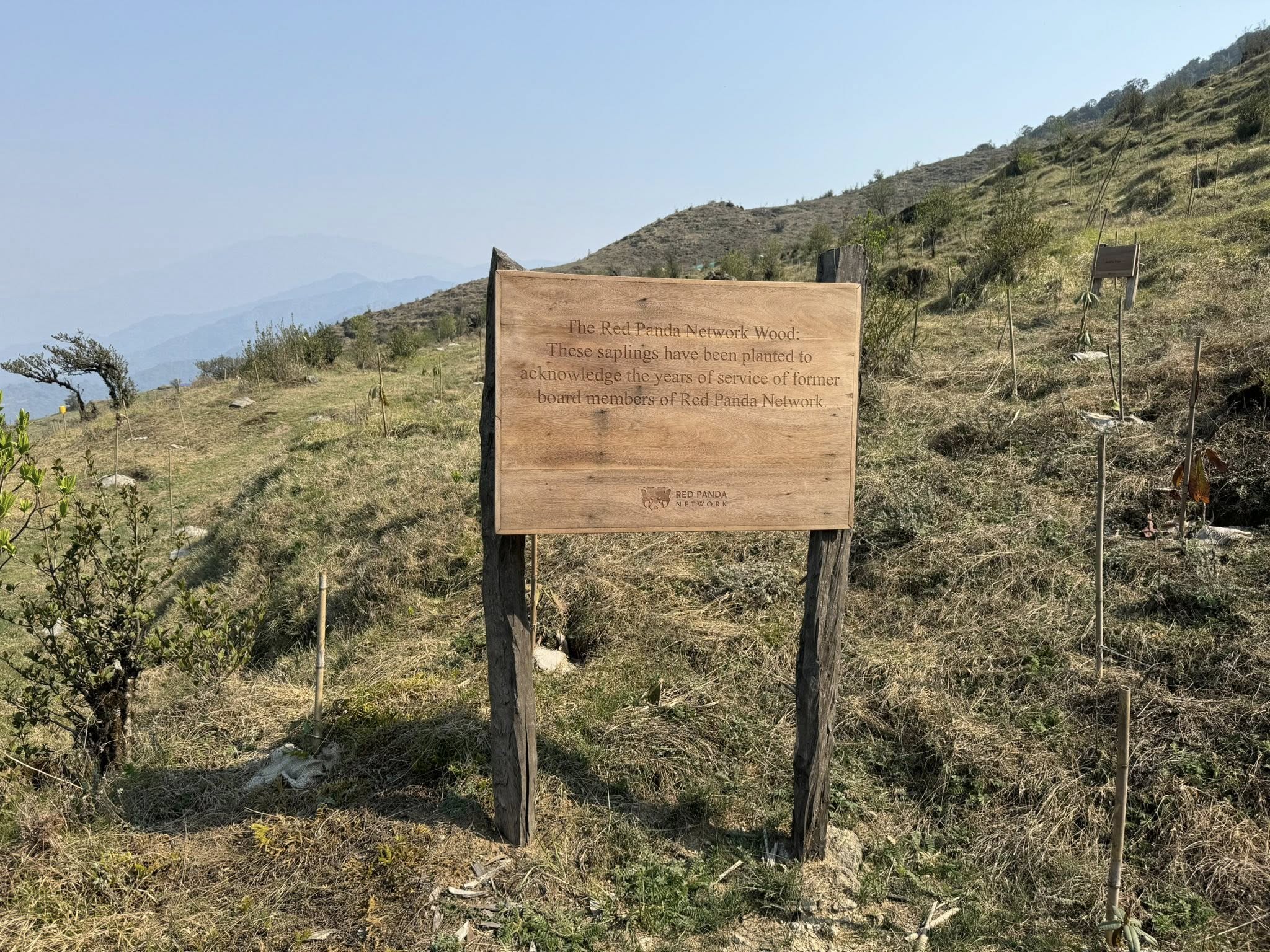
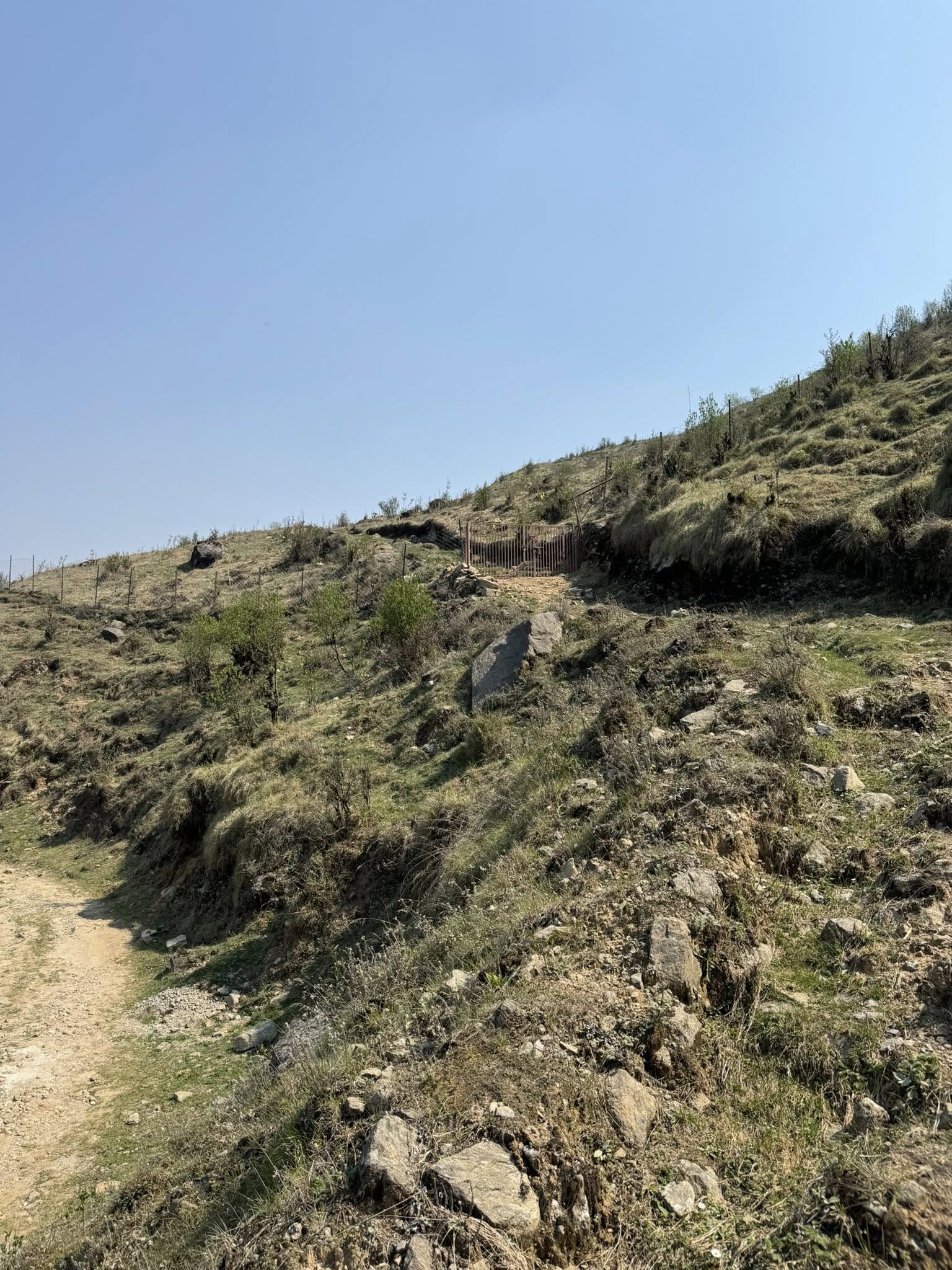
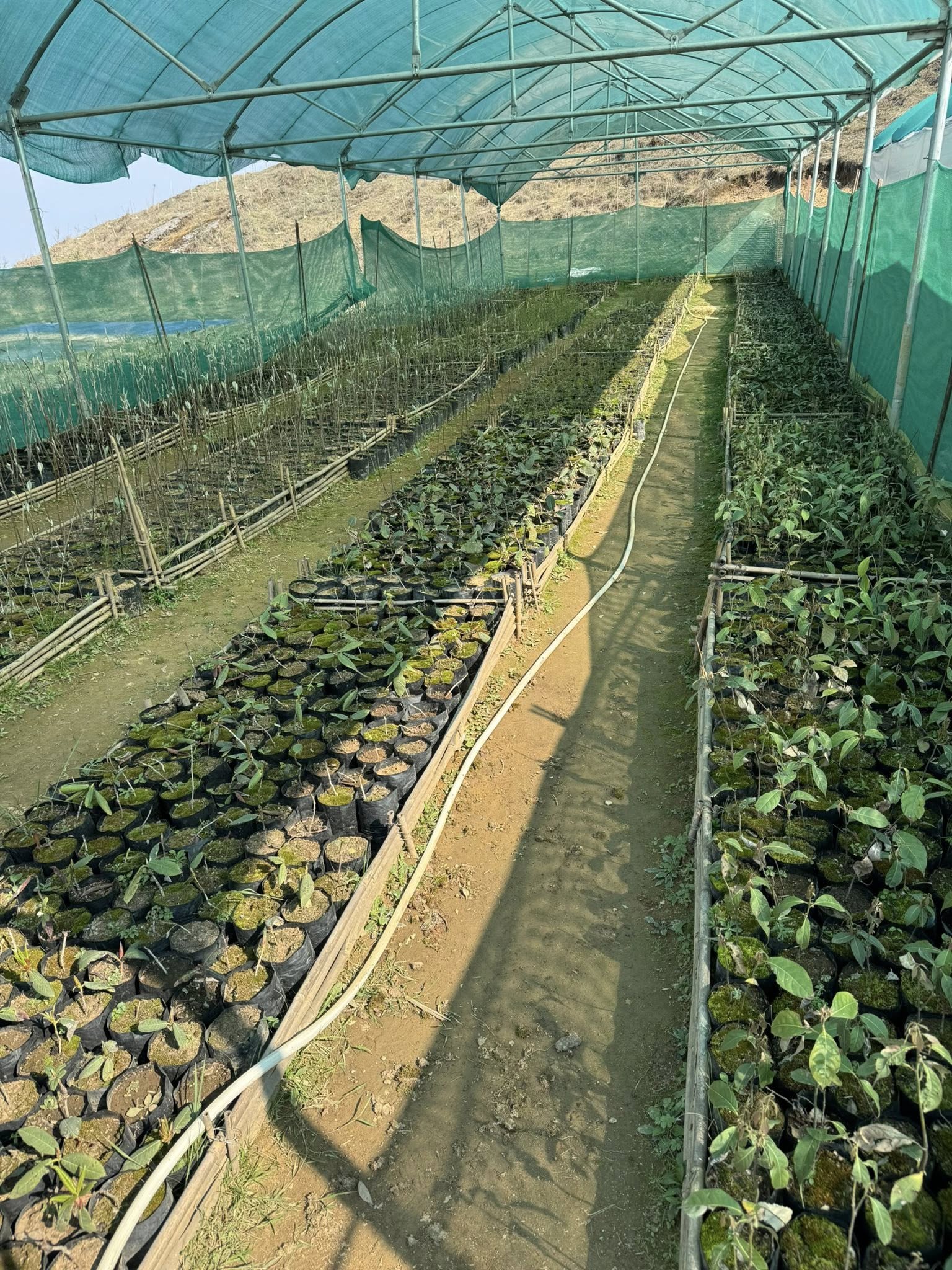
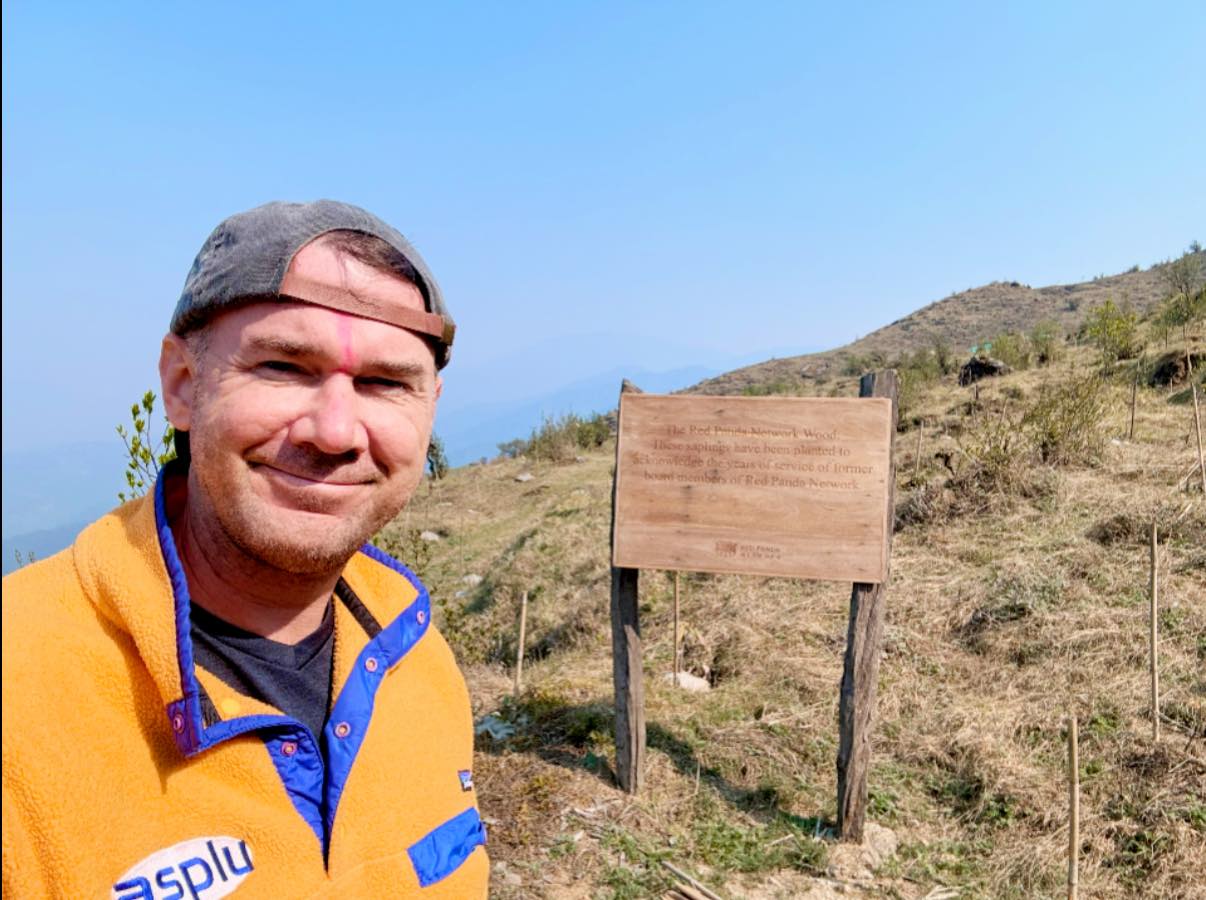
The project is building habitat for red pandas and dozens of other species — ecological recovery running on a timescale that has nothing to do with tourist schedules. A forest that will be extraordinary in twenty years. I'm planning to come back when I turn 50 — still a couple of years away — to see what it became. That's slow tourism at its most literal: a trip organized not around what a place is today but what it will have become.
Which is really what all slow travel is pointing toward — not a single trip done slowly, but a relationship with a place that deepens across time and visits. The homestay family whose kid was five when you first came and twelve when you came back. The farmer at the market who remembers what you bought last season.
The Memory Argument
Memory doesn't record experiences uniformly — novel, emotionally resonant, sensory-rich experiences encode more deeply and more durably than ones that blur into a sequence of similar moments. A week of fast tourism produces a kind of temporal compression where day three and day six are indistinguishable six months later. The photos are proof you were there. The experience has largely evaporated.
There's a documented phenomenon called museum fatigue — first described in 1916 — where after about 35 minutes attention drops and retention collapses. The twelfth painting looks like the eighth. The same thing happens with fountains, with cathedrals, with cities seen too quickly — a process psychologists call hedonic adaptation, where the impressive thing calibrates to the new normal and stops registering.
Daniel Kahneman's work on the experiencing self versus the remembering self explains why this matters. The remembering self doesn't record volume. It records peaks and endings. Ten rushed experiences don't add up to one meaningful one.
"Most of us are lucky to see Paris once in a lifetime. Make the most of it by doing as little as possible. Walk a little, get lost a bit, eat, catch a breakfast buzz, have a nap… Eat again. Lounge around drinking coffee. Maybe read a book. Drink some wine, walk around a bit more, eat, repeat."
How to Actually Do Slow Travel
Researcher Alison Caffyn distilled slow tourism into nine principles: minimize travel distance, maximize time at the destination, relax the mind, eat at local restaurants, shop in local markets or directly from producers, learn new skills, minimize mechanization and technology, experience authenticity, minimize carbon footprint. Think of slow travel as a dial rather than a switch — you don't have to do all nine, you just have to move the dial.
| Fast Travel | Slow Travel |
|---|---|
| Multiple destinations per trip | One or two destinations, deeply explored |
| Hotels and chain accommodation | Homestays, guesthouses, long-stay rentals |
| Flights between every stop | Train, bus, foot — journey as part of the experience |
| Itinerary planned to the hour | First few days planned, rest left open |
| Optimized for coverage | Optimized for presence |
| Famous sights, tourist-facing restaurants | Local markets, family meals, neighborhood walks |
| You leave as a tourist | You leave slightly less of a stranger |
The single mental model: stay longer in fewer places. A week in one neighborhood of one city teaches you more about that city than a day each in seven cities teaches you about seven cities. By day three the woman at the bakery knows what you want. By day five someone mentions a trail that isn't in any guidebook, or a family invites you for dinner.
Accommodation that connects rather than insulates. A homestay puts you inside daily life rather than adjacent to it. Even a one- or two-night homestay changes the texture of a trip in ways that have nothing to do with itinerary length, because the cultural immersion begins the first evening over a shared meal.
No itinerary for the whole trip. Plan the first few days, leave the rest open. The best slow travel stories almost always involve something that happened because there was room for it — a person you met, a place someone mentioned, a direction you turned for no particular reason.
Going back. Returning to a place you've been is a different experience from discovering it. The thing that felt foreign becomes familiar. The person you met last time is still there. You're slightly less of a stranger.
Where to Do It
The places worth going slowly tend to be the ones that haven't been optimized for tourists yet: Eastern Nepal (the Kanchenjunga circuit, the forests around Ilam, the border regions near Jaubari); the Portuguese interior (the Douro Valley, the Alentejo, the towns that don't appear on most itineraries); rural Japan (Hokkaido, the Satoyama landscapes of Honshu, the old post towns of the Nakasendo trail); Cittaslow towns (over 300 in 30 countries, certified for their commitment to slow living); coastal Maine, the Scottish Highlands, the Faroe Islands.
Frequently Asked Questions About Slow Travel
What is the meaning of slow travel?
Slow travel means spending more time in fewer places in order to actually experience a destination rather than pass through it. Instead of optimizing for how many places you visit, you optimize for how well you know one place. It's less a logistics strategy than a shift in what you're trying to get out of a trip: not coverage, but presence.
How long does slow travel have to be?
There's no minimum. While many slow travelers spend weeks or months somewhere, the philosophy applies to a long weekend or even a day trip. What matters isn't the duration but the approach — a week spent deeply exploring one neighborhood can be more meaningful than a month of sightseeing across multiple cities.
What is an example of slow travel?
John Steinbeck, in 1960, realized he had spent decades writing about America without actually knowing it anymore. So he bought a camper, named it Rocinante after Don Quixote's horse, loaded his poodle Charley into the passenger seat, and drove across the country with no fixed itinerary — stopping where it felt right, talking to whoever was there. Travels with Charley is what came out of it. Not a sightseeing account. A portrait of a country seen slowly enough to actually appear.
Anthony Bourdain and Barack Obama eating bun cha at a plastic table in Hanoi for six dollars is an extreme example — two people at a street-level restaurant eating what everyone around them was eating. Bourdain built his entire career on the argument that this was the right way to travel.
Is slow travel more sustainable?
Generally yes, for two reasons. First, slow travelers take fewer flights — the single highest-impact component of travel's carbon footprint. Second, slow travelers tend to spend more money locally — in family restaurants, markets, homestays, and small businesses — rather than internationally-owned hotels and tourist-facing chains.
Also on TalkTravel
What Is a Coolcation — and Why the Geography of Desire Just Flipped →