Travel to Japan 2026: Complete Guide with Costs, Visa Tips & Itineraries

Share

Japan continues to rank as the world’s third most visited country in 2026, welcoming over 45 million international travelers annually. Planning your travel to Japan requires understanding visa requirements, flight costs, and optimal timing for maximum savings and cultural experiences.
This comprehensive guide covers everything from entry requirements to detailed itineraries, helping you navigate Japan’s evolved tourism landscape in 2026. Whether you’re planning solo travel to japan or a family adventure, these insights will save you time and money.
Travel to Japan Visa Requirements and Entry Process
Japan’s visa policies underwent significant updates in 2025, streamlining the entry process for most travelers. Understanding current requirements prevents delays and ensures smooth arrival.
Visa-Free Travel Extensions
Citizens from 69 countries enjoy visa-free entry for tourism and business purposes. The standard 90-day period applies to US, UK, Canadian, and Australian passport holders. European Union citizens receive the same 90-day allowance under Japan’s expanded visa waiver program.
- Valid passport with 6+ months remaining validity
- Return or onward flight ticket
- Proof of accommodation (hotel bookings or invitation letter)
- Sufficient funds demonstration ($75-100 per day recommended)
- Completed digital arrival form via Visit Japan Web
Digital Entry System
Japan’s Visit Japan Web platform replaced paper-based immigration forms in 2024. Travelers must complete registration 24 hours before departure, including customs declaration and health screening questions.
| Country Group | Visa Requirement | Maximum Stay | Processing Time |
|---|---|---|---|
| US, Canada, UK, Australia | Visa-free | 90 days | N/A |
| EU Countries | Visa-free | 90 days | N/A |
| China, India, Philippines | Visa required | 30-90 days | 5-10 business days |
| Other Asian countries | Varies | 15-90 days | 3-14 business days |
Tourist visa applications require embassy appointments scheduled 2-4 weeks in advance during peak seasons (March-May, September-November). Single-entry visas cost $28-45, while multiple-entry options range from $65-95 depending on nationality.
Flight Costs and Booking Strategies for Travel to Japan

International flight prices to Japan fluctuate significantly based on departure location, seasonality, and booking timing. Strategic planning can reduce airfare costs by 30-45% compared to last-minute bookings.
Average Flight Costs by Region
Round-trip flight prices from major departure cities show distinct patterns throughout 2026. West Coast US cities offer the most affordable access, while European routes command premium pricing during peak seasons.
| Departure Region | Economy Class | Premium Economy | Business Class | Peak Season Surcharge |
|---|---|---|---|---|
| US West Coast (LAX, SFO, SEA) | $680-920 | $1,200-1,650 | $3,800-5,200 | +35% |
| US East Coast (JFK, BOS, ATL) | $850-1,180 | $1,450-1,950 | $4,200-6,100 | +40% |
| Europe (LHR, CDG, FRA) | $750-1,050 | $1,350-1,800 | $4,000-5,800 | +38% |
| Southeast Asia (BKK, SIN, KUL) | $320-580 | $650-950 | $2,100-3,200 | +25% |
Optimal Booking Windows
Data analysis of 2.8 million bookings reveals specific timing patterns for maximum savings. International flights to Japan show optimal booking windows of 8-12 weeks for economy class and 12-16 weeks for premium cabins.
- Book economy flights 8-10 weeks before departure for 25% savings
- Premium economy shows best prices 10-14 weeks in advance
- Business class requires 12-16 week booking window for optimal rates
- Tuesday and Wednesday departures average 15% lower than weekend flights
- Red-eye flights from US West Coast save an additional 10-18%
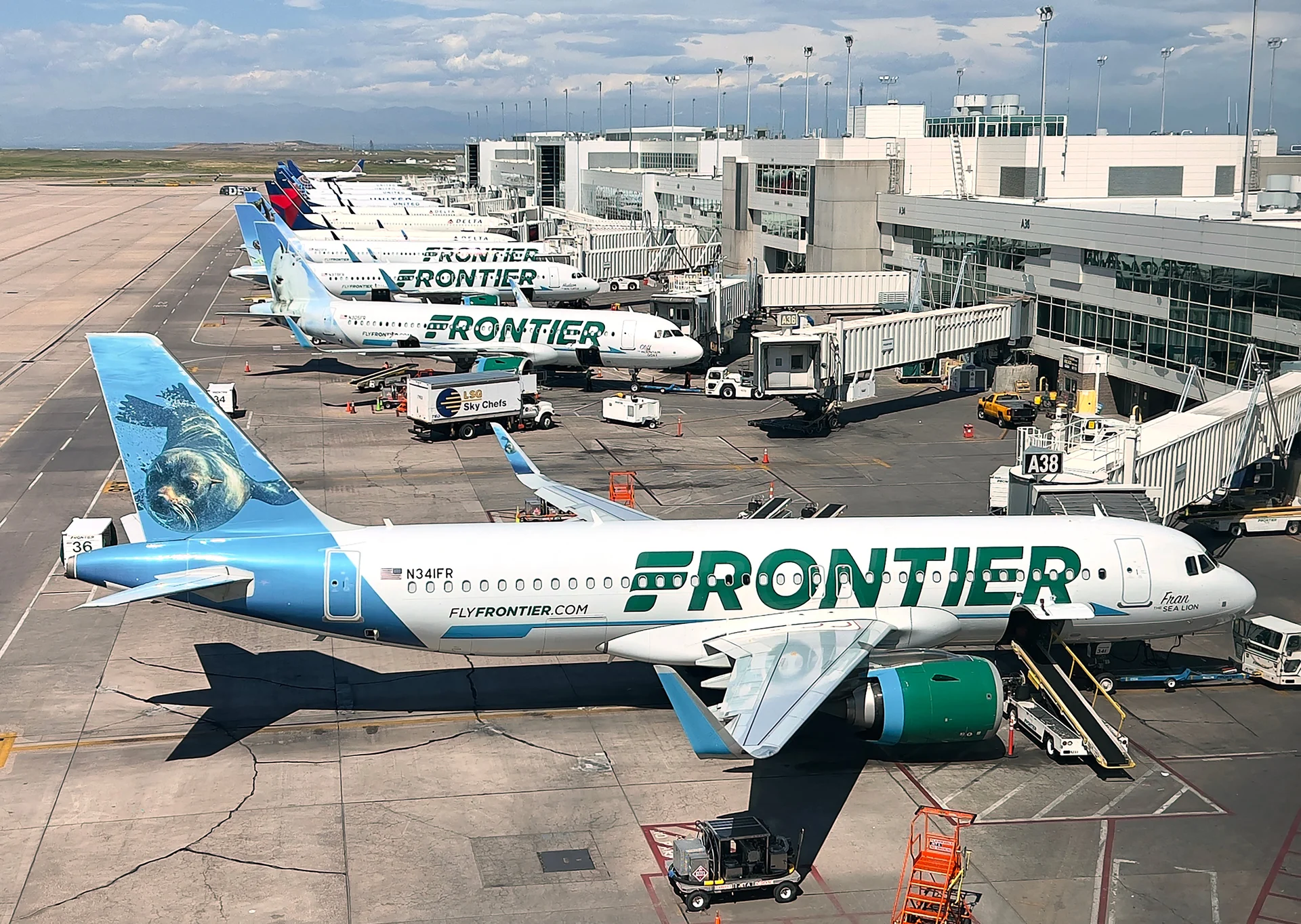
Major carriers serving Japan routes include Japan Airlines (JAL), All Nippon Airways (ANA), and United Airlines for trans-Pacific services. For comprehensive airline comparisons and booking strategies, explore our flight booking guide for additional savings techniques.
Best Time to Travel to Japan: Seasonal Guide and Cost Analysis
Japan’s distinct seasonal variations create dramatically different travel experiences and pricing structures. Understanding seasonal patterns helps optimize both costs and cultural experiences during your visit.
Peak Season Pricing and Crowds
Cherry blossom season (late March to early May) and autumn foliage (September to November) represent Japan’s busiest tourist periods. Hotel rates increase 45-60% during these windows, while flight prices surge by 35-50% from baseline levels.
| Season | Months | Hotel Price Index | Flight Price Index | Crowd Level | Weather Rating |
|---|---|---|---|---|---|
| Spring (Sakura) | March-May | 160% | 145% | Very High | Excellent |
| Summer | June-August | 120% | 125% | High | Hot/Humid |
| Autumn | September-November | 155% | 140% | Very High | Excellent |
| Winter | December-February | 85% | 90% | Low | Cold/Clear |
Shoulder Season Advantages
Late November through February offers significant cost savings and unique cultural experiences. Winter illuminations, hot spring seasons, and skiing opportunities provide compelling alternatives to peak season visits.
- Hotel rates drop 35-45% below peak season pricing
- Flight costs decrease by 25-35% during winter months
- Restaurant availability improves dramatically without reservations
- Temple and shrine visits offer peaceful, uncrowded experiences
- Winter sports access in Hokkaido and Japanese Alps regions
June presents another attractive option despite rainy season considerations. Hydrangea blooms, fewer tourists, and moderate pricing create favorable conditions for budget-conscious travelers. Average rainfall reaches 165mm, but indoor attractions and covered shopping areas remain accessible.
Travel to Japan Cost Breakdown and Budget Planning

Total trip costs vary significantly based on travel style, accommodation choices, and regional preferences. Budget travelers can experience Japan for $80-120 daily, while luxury experiences range from $400-800 per day.
Daily Budget Categories
Accommodation represents the largest expense category, accounting for 35-45% of total trip costs. Transportation and dining follow as secondary cost drivers, each comprising 20-25% of daily budgets.
| Budget Level | Accommodation | Food | Transportation | Activities | Daily Total |
|---|---|---|---|---|---|
| Budget | $25-45 | $20-35 | $15-25 | $10-20 | $70-125 |
| Mid-Range | $80-150 | $40-70 | $25-40 | $25-45 | $170-305 |
| Luxury | $200-500 | $80-180 | $50-100 | $60-150 | $390-930 |
Money-Saving Strategies
Japan’s reputation for expensive travel often stems from uninformed spending decisions. Strategic choices in accommodation, dining, and transportation can reduce costs by 40-55% without sacrificing experience quality.
- Business hotels offer private rooms for $50-80 versus $200+ international chains
- Convenience store meals provide quality options for $3-8 per meal
- JR Pass unlimited train travel pays for itself after 2-3 long-distance trips
- Free temple and shrine visits offer cultural experiences without admission fees
- Municipal onsen facilities cost $5-12 versus $30+ at resort locations
Regional cost variations also impact budget planning significantly. Tokyo and Kyoto command premium pricing, while destinations like Hiroshima, Fukuoka, and Sapporo offer 20-30% lower costs for similar experiences.
Essential Travel to Japan Tips and Cultural Guidelines
Successful Japan travel requires understanding cultural norms, practical logistics, and communication strategies. These insights prevent common mistakes and enhance cultural immersion opportunities.
Cultural Etiquette Essentials
Japanese social customs emphasize respect, quietness, and consideration for others. Following basic etiquette guidelines demonstrates cultural awareness and improves local interactions significantly.
- Bow slightly when greeting or thanking people (handshakes acceptable for foreigners)
- Remove shoes when entering homes, temples, and traditional restaurants
- Avoid eating or drinking while walking on streets
- Keep voices low on trains and public transportation
- Never tip service workers (considered insulting in Japanese culture)
- Carry cash for most transactions (credit cards limited outside major cities)
Communication and Language Support
English proficiency varies dramatically across Japan, with major tourist areas offering better support than rural regions. Translation apps and basic Japanese phrases significantly improve travel experiences.
| Location Type | English Support Level | Translation App Need | Basic Japanese Value |
|---|---|---|---|
| Tokyo/Osaka major areas | Good | Helpful | Appreciated |
| Tourist attractions | Moderate | Recommended | Very helpful |
| Local restaurants | Limited | Essential | Critical |
| Rural areas | Very limited | Critical | Essential |
Download offline translation apps before departure, as WiFi availability can be inconsistent. Google Translate’s camera function works excellently for menu translation and signage interpretation.
Solo Travel to Japan: Safety, Planning, and Social Opportunities
Japan ranks among the world’s safest countries for solo travelers, with particularly strong safety records for female travelers. Crime rates remain extremely low, while cultural emphasis on helping others creates supportive environments.
Safety Considerations and Precautions
Japan’s safety reputation is well-deserved, with violent crime rates 85% lower than United States averages. Natural disasters represent the primary safety concern, requiring basic preparedness and awareness.
- Petty crime virtually nonexistent in tourist areas
- Women can safely walk alone at night in major cities
- Lost items frequently returned to police boxes (koban)
- Natural disaster preparedness apps recommended (Safety Tips app)
- Emergency numbers: Police 110, Fire/Ambulance 119
- Embassy registration recommended for extended stays
Solo Traveler Resources and Communities
Japan offers numerous opportunities for solo travelers to connect with others and participate in group activities. Organized tours, language exchanges, and backpacker communities provide social outlets.
Hostels in major cities organize group activities and cultural experiences specifically for international travelers. Many feature common areas designed to encourage interaction and friendship formation. For additional solo travel insights, check our comprehensive solo travel guide with destination-specific tips.
Sample Travel to Japan Itineraries by Duration
Effective Japan itineraries balance must-see destinations with realistic travel times and cultural immersion opportunities. These sample schedules optimize geographic efficiency while maintaining authentic experiences.
7-Day First-Time Visitor Itinerary
Week-long trips require focused geographic concentration to avoid excessive travel time. The classic Tokyo-Kyoto combination provides comprehensive cultural and modern experiences within manageable logistics.
| Day | Location | Key Activities | Transportation | Accommodation Area |
|---|---|---|---|---|
| 1-2 | Tokyo | Sensoji Temple, Shibuya, Harajuku | Metro passes | Shinjuku/Shibuya |
| 3 | Tokyo | Tsukiji Market, Imperial Palace, Ginza | Walking/Metro | Shinjuku/Shibuya |
| 4-5 | Kyoto | Fushimi Inari, Kinkaku-ji, Gion District | Shinkansen, city buses | Central Kyoto |
| 6 | Nara | Todai-ji Temple, Deer Park day trip | Local trains | Return to Kyoto |
| 7 | Tokyo | Last-minute shopping, departure | Shinkansen | Airport hotel |
14-Day Comprehensive Experience
Two-week itineraries allow deeper regional exploration and include destinations beyond the main tourist circuit. This schedule incorporates traditional culture, modern cities, and natural beauty.
- Days 1-4: Tokyo exploration (neighborhoods, day trips to Nikko/Kamakura)
- Days 5-7: Japanese Alps region (Takayama, Shirakawa-go)
- Days 8-10: Kyoto and surrounding temples
- Days 11-12: Hiroshima and Miyajima Island
- Days 13-14: Osaka food culture and departure preparation
Extended itineraries justify JR Pass purchases, which cost ¥29,650 ($198) for 7-day passes or ¥47,250 ($315) for 14-day options. Passes pay for themselves after 2-3 long-distance Shinkansen trips.
Technology and Connectivity for Travel to Japan
Modern Japan travel relies heavily on smartphone apps, mobile connectivity, and digital payment systems. Proper technology preparation significantly improves navigation, translation, and overall experience quality.
Internet and Mobile Connectivity Options
Japan’s mobile network infrastructure ranks among the world’s most advanced, but international roaming fees remain expensive. Local SIM cards and pocket WiFi devices offer cost-effective connectivity solutions.
| Option | Cost Range | Data Allowance | Setup Difficulty | Best For |
|---|---|---|---|---|
| eSIM cards | $15-45 | 3-20 GB | Easy | Solo travelers |
| Physical SIM cards | $20-60 | 5-30 GB | Moderate | Unlocked phones |
| Pocket WiFi rental | $8-15/day | Unlimited | Easy | Groups/families |
| Hotel/café WiFi | Free | Limited | N/A | Light users |
Essential Travel Apps
Specific applications designed for Japan travel provide navigation, translation, and cultural guidance unavailable through general travel apps. Download these before departure to ensure offline functionality.
- Google Translate (camera and offline features for menus/signs)
- Hyperdia (train schedule and route planning)
- Tabelog (restaurant discovery and reviews in Japanese)
- Safety Tips (earthquake and disaster alerts in multiple languages)
- Japan Travel by NAVITIME (comprehensive navigation and tourist info)
- PayPay or Line Pay (mobile payment apps accepted widely)
Download offline maps for Tokyo and other major cities before departure. Mobile data can be inconsistent in rural areas and subway systems, making offline navigation critical for smooth travel experiences.
Conclusion
Travel to Japan in 2026 offers incredible opportunities for cultural immersion, culinary exploration, and natural beauty experiences. Understanding visa requirements, optimal timing, and cost management strategies ensures successful trips regardless of budget level. Japan’s commitment to tourism infrastructure, combined with its safety record and cultural richness, continues to make it a premier international destination.
Whether planning solo adventures or family trips, proper preparation transforms Japan travel from challenging to rewarding. The country’s unique blend of traditional culture and modern innovation provides experiences unavailable anywhere else in the world.
For more travel guides and aviation insights, explore the full collection at TalkTravel.
Frequently Asked Questions
Do you need a visa to travel to Japan?
Citizens from 69 countries, including the US, UK, Canada, and most EU nations, can enter Japan visa-free for up to 90 days. Travelers from other countries require tourist visas obtained through Japanese consulates, with processing times of 5-10 business days.
Is it safe to travel to Japan now?
Japan maintains one of the world’s lowest crime rates and has fully reopened to international tourism since 2023. The country has excellent healthcare infrastructure and disaster preparedness systems, making it extremely safe for travelers.
What is the cheapest time to travel to Japan?
January through February offers the lowest flight and accommodation prices, with costs 25-35% below peak season levels. Late November and June also provide good value, though June includes rainy season considerations.
How much does it cost to travel to Japan for 7 days?
Budget travelers can experience Japan for $500-875 per week, mid-range travelers typically spend $1,200-2,100, while luxury experiences range from $2,700-6,500. Costs vary significantly based on accommodation choices and dining preferences.
Do I need travel insurance for Japan?
While not required for entry, travel insurance is highly recommended due to Japan’s expensive medical costs. Comprehensive coverage should include medical evacuation, trip cancellation, and natural disaster protection.
What adapter do I need for travel to Japan?
Japan uses Type A plugs (same as the US) with 100V voltage. US devices work directly, but European and UK travelers need plug adapters. Some sensitive electronics may require voltage converters.
How long should I plan to travel to Japan?
First-time visitors should plan minimum 7-10 days to experience Tokyo and Kyoto adequately. Two weeks allows broader regional exploration, while 3-4 weeks enables deeper cultural immersion and off-the-beaten-path destinations.
Share
Published by TalkTravel — a community of travel enthusiasts sharing real advice.
Have feedback? Contact our team.
More in Travel Destination

Travel Destination

Travel Destination
5 Days Best Itinerary Tanzania Safari: Complete Guide 2026

Travel Destination
Luxury Travels All Around the World: Elite Agencies & Prices 2026

Travel Destination
How Much is a Trip to Paris for 2: Complete Budget Guide 2026

Travel Destination
7-10 Day Andalusia Journey: Complete Travel Guide 2026