Solo Travel in 2026: The Complete Guide to Planning, Budgeting, and Exploring the World Alone
Updated

Share
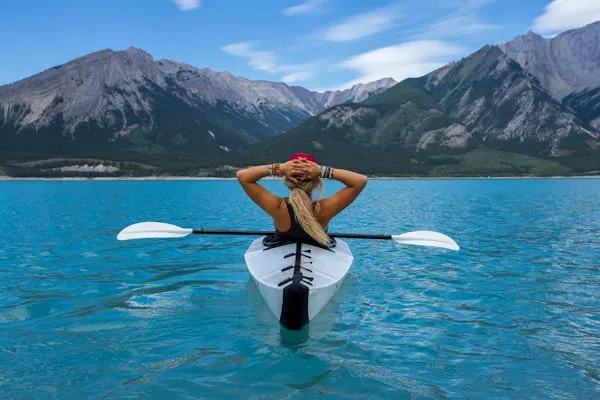
Solo travel is no longer a niche pursuit for adventurous backpackers. In 2026, it is one of the fastest-growing segments of the global tourism industry, with a market worth USD 482.3 billion in 2024 and projected to reach USD 1.07 trillion by 2030. According to the 2026 TravelBoom Leisure Travel Study, 59% of travelers have taken a solo trip in the past five years, up from 46% in 2025.
Whether you are planning your first solo trip or looking to travel smarter this year, this guide covers everything: the best destinations, real budget numbers, safety strategies, packing lists, and how to book flights and accommodation without overpaying. Let’s get into it.
Why Solo Travel is Booming in 2026: The Numbers Behind the Trend
The growth of solo travel is not just a social media narrative. It is backed by hard numbers across every major travel data source. Google searches for solo travel climbed 72.6% from April 2023 to April 2024. The hashtag #solotravel has over 9.3 billion views on TikTok and more than 11.1 million posts on Instagram as of late 2025. Booking platforms report a 42% surge in solo bookings over the past two years.
The motivations are consistent across surveys. Here is what travelers say is driving the decision to go solo:
- 66% cite freedom and flexibility as the primary driver
- 61% travel solo to relax and unwind on their own terms
- 54% want to push their personal limits and challenge themselves
- 39% are drawn by the desire for cultural immersion without compromise
- 25% are motivated by adventure and adrenaline-driven activities
- 18% seek wellness, retreats, or personal growth
| Year | Global Solo Travel Market Value | % of Travelers Going Solo | Key Driver |
| 2019 (pre-pandemic) | ~USD 200B (est.) | 14% | Niche trend, backpacker culture |
| 2021 (post-pandemic) | Recovering | 23% | Post-lockdown independence surge |
| 2024 | USD 482.3 billion | ~27% (planning solo trips) | Flexibility, self-discovery |
| 2025 | USD 549.8 billion (est.) | 58% intend to travel solo | Mainstream acceptance |
| 2026 | Growing at 14.3% CAGR | 59% have done so in 5 years | Social media, digital nomads |
| 2030 (projected) | USD 1.07 trillion | Rising annually | Gen Z + Millennial drivers |
Millennials lead the 2026 wave, accounting for 52% of solo trips according to TravelBoom. Gen Z is not far behind, with 58.3% of Gen Z women expressing interest in solo international travel, heavily influenced by social media. The fastest-growing segment by age is the 18-to-24 cohort, projected to grow at a CAGR of 15.6% through 2030.
Best Solo Travel Destinations in 2026: Safe, Affordable, and Worth the Flight
Choosing the right destination is the single most important decision in solo travel planning. The best picks combine a strong safety record, affordable daily costs, walkable infrastructure, and a culture where traveling alone feels normal rather than unusual. Here are the top destinations backed by 2025-2026 data.
Europe: Portugal, Slovenia, and Iceland Lead the Pack
Portugal remains one of the most consistently recommended solo travel destinations in the world. Lisbon and Porto offer walkable historic neighborhoods, reliable public transit, and a hostel scene that makes meeting other travelers easy. Daily budgets for backpackers average USD 45 to USD 60 including accommodation, food, and local transport. Portugal consistently tops safety rankings for solo female travelers.
Iceland holds the number one position on the Global Peace Index 2025, making it the objectively safest solo travel destination on the planet. Base costs are higher at USD 100 to USD 150 per day, but the payoff in landscapes and security is difficult to match. Slovenia is the hidden gem pick for 2026, with Ljubljana offering a compact, walkable city center and Lake Bled just 55 km away as an easy day trip, all at well below Western European prices.
- Portugal (Lisbon/Porto): Budget USD 45-60/day; strong solo female safety index
- Iceland: Budget USD 100-150/day; Global Peace Index rank 1
- Slovenia (Ljubljana): Budget USD 50-70/day; compact and walkable
- Hungary (Budapest): Budget USD 30-45/day; thermal baths, rich hostel culture
- Romania (Brasov): Budget USD 25-35/day; medieval architecture, affordable
Asia: Japan, Thailand, and Vietnam for Every Budget
Japan is one of the most popular solo travel destinations globally and for good reason. Crime rates are exceptionally low, the rail network is among the best in the world, and solo dining is entirely culturally normal. The JR Pass for 14 days costs around USD 400 and unlocks nationwide Shinkansen access. Budget solo travelers can live comfortably in Japan on USD 60 to USD 80 per day by using hostels and convenience store meals. Mid-range travel runs USD 120 to USD 160 per day.
Thailand (Bangkok) sits at the other end of the budget scale. Daily costs of USD 30 to USD 50 cover a quality hostel, street food, and transport. Vietnam is even cheaper, particularly in the north. Hanoi and Hoi An routinely deliver full days for USD 20 to USD 35. Solo traveler hostel bookings in Vietnam have shown sustained high growth through 2025, driven by strong digital nomad infrastructure and excellent long-distance train connections.
| Destination | Budget/Day (USD) | Safety Rating | Best For | Trending in 2026 |
| Japan | $60 – $80 (budget), $120-160 (mid) | 10/10 (GPI top 5) | All solo travelers | Yes – JR Pass + culture |
| Portugal (Lisbon) | $45 – $60 | 9/10 | First-timers, solo women | Yes – top rated |
| Vietnam | $20 – $35 | 8/10 | Budget backpackers | Yes – digital nomads |
| Thailand (Bangkok) | $30 – $50 | 8/10 | Budget, party, culture | Yes – Southeast Asia |
| Iceland | $100 – $150 | 10/10 (GPI #1) | Nature, safety-first | Yes – nature travel |
| Colombia (Medellin) | $35 – $55 | 7/10 (improving) | Culture, nightlife | Yes – strong growth |
| Laos | $20 – $30 | 8/10 | Off-the-beaten-path | Yes – 20x hostel growth |
Two emerging destinations worth highlighting for 2026 based on hard booking data from Hostelz: Laos recorded the highest relative growth in solo traveler hostel bookings of any country in their dataset, growing more than 20x compared to earlier baseline years. North Macedonia recorded four-digit percentage growth, signaling strong appeal for budget-conscious solo travelers looking for affordable, social environments off the mainstream tourist trail.
Solo Travel Safety in 2026: What the Data Says and How to Stay Smart
Safety is the number one concern for new solo travelers, and particularly for solo women. The data is worth examining clearly. According to survey research, 78% of solo travelers choose destinations based on safety. Among women, 63% cite safety as a critical factor in destination selection. On the other hand, 21% of solo female travelers reported fearing for their safety in the last 12 months.
None of this should discourage solo travel. It should shape how you prepare. The countries with the best safety records for solo travelers are consistent across the Global Peace Index and traveler surveys: Iceland, Ireland, New Zealand, Japan, Portugal, Singapore, and Austria lead virtually every ranking in 2025.
- Research your destination using the US State Department or UK FCDO travel advisories before booking
- Share your itinerary and daily check-in plan with at least one person at home
- Book your first night’s accommodation before you land, even if you plan to freestyle afterward
- Keep digital and physical copies of your passport, insurance documents, and emergency contacts
- Download offline maps (Google Maps or Maps.me) for navigation without data
- Use only licensed taxis or rideshare apps; avoid accepting rides from strangers
- Invest in a travel lock for hostel lockers and keep valuables in a crossbody or money belt
Solo travel and travel insurance go together. According to survey data, only 42% of solo travelers currently purchase travel insurance before their trip. That number should be much higher. Medical evacuation from Southeast Asia alone can cost USD 50,000 to USD 200,000. Before you book, read our guide on travel insurance: what to buy and what to skip to understand exactly what coverage you need and what the industry upsells that you can safely ignore.
How Much Does Solo Travel Cost in 2026: Real Budgets by Region
Solo travel has a reputation for being expensive because of the single supplement, the extra fee many hotels and tour operators charge for solo occupancy of a double room. The good news for 2026 is that this is changing fast. Booking platforms report searches for single-occupancy rooms surged by 170%, and many hotel chains and tour operators have dropped or reduced single supplements in response to the booming solo market.
Here are realistic daily budgets by region based on current hostel, accommodation, food, and transport data:
| Region | Backpacker Budget/Day | Mid-Range Budget/Day | Accommodation Example | Food Example |
| Southeast Asia | $20 – $35 | $50 – $80 | Hostel dorm: $5-$10/night | Street meal: $1-$3 |
| South Asia (India) | $15 – $30 | $40 – $70 | Guesthouse: $8-$15/night | Thali: $0.50-$2 |
| Eastern Europe | $30 – $50 | $65 – $100 | Hostel: $12-$20/night | Local meal: $3-$6 |
| Western Europe | $70 – $100 | $130 – $200 | Hostel: $30-$50/night | Restaurant: $15-$25 |
| Latin America | $25 – $45 | $60 – $100 | Hostel dorm: $8-$15/night | Local meal: $3-$7 |
| Japan | $60 – $80 | $120 – $160 | Capsule hotel: $25-$40/night | Convenience store: $5-$8 |
| Africa (Morocco) | $30 – $50 | $70 – $110 | Riad: $20-$40/night | Street food: $2-$5 |
First-time solo trips typically last 7 to 10 days, and most travelers spend between USD 1,000 and USD 2,000 on their first trip. Longer, multi-country itineraries can be done for as little as USD 20,000 for a full year of travel if you stay in budget regions. Budget planning is the single most powerful lever you have over your solo travel experience.
Flights are usually your biggest single expense. The most effective strategy is to combine fare alerts with flexible dates. Our guide on how to find cheap flights and save money breaks down the exact tools and booking windows that consistently produce the cheapest fares for each region, including the best days to fly and when to book last-minute versus far in advance.
How to Plan Your First Solo Trip: A Step-by-Step Process for 2026
The biggest barrier to a first solo trip is not money or safety. It is the overwhelm of planning without anyone to share decisions with. The solution is a simple planning sequence that breaks the task into steps with clear decision points.
Step 1: Choose a Solo-Friendly Destination
For first-timers, start with a destination that scores high on three criteria: safety rating, English-language accessibility, and well-developed tourist infrastructure. Portugal, Japan, Thailand, and New Zealand are the most recommended first solo trips across survey data because they check all three boxes. Avoid starting with destinations that require complex visa logistics, require extensive local language skills, or carry elevated health and safety risks.
Step 2: Set Your Budget and Book Flights First
Flights are the anchor of any solo trip. Book them first, then build accommodation and activities around arrival and departure times. For budget travelers, Google Flights and Skyscanner both offer price tracking for specific routes. Setting fare alerts 8 to 12 weeks before travel consistently yields better prices than last-minute booking for most leisure destinations.
Step 3: Book Your First Two Nights’ Accommodation
Never arrive in a new country without at least two nights confirmed. Beyond that, you can adapt. For solo travelers, hostels are genuinely worth considering even if you have never stayed in one. Modern hostels in destinations like Lisbon, Bangkok, and Medellín offer private rooms at hotel prices with the social infrastructure of a communal common room, guided walking tours, and built-in connections with other solo travelers. Hostelworld and Booking.com both filter specifically for solo-friendly properties.
Step 4: Sort Travel Insurance and Documentation
Travel insurance is non-negotiable for solo travelers. When traveling alone, you have no travel companion to help in a medical or logistical emergency. Policies covering medical emergencies, trip cancellation, and baggage loss typically run USD 40 to USD 120 for a two-week trip depending on destination and age. Purchase insurance before your first major payment for the trip so you are covered if you need to cancel.
Step 5: Plan the First Day in Detail, Leave the Rest Loose
Experienced solo travelers almost universally recommend having a clear plan for day one, arrival transfer, first meal, and orientation walk, and then leaving subsequent days loosely structured. Rigid itineraries kill the spontaneity that makes solo travel memorable. Apps like Airbnb Experiences, Viator, and GetYourGuide allow you to book day tours and activities with 24 to 48 hours notice, so you can adapt based on weather, energy, and what fellow travelers recommend once you arrive.
Solo Travel for Women in 2026: Safety, Statistics, and Destination Choices
Women dominate solo travel. Depending on the data source, female solo travelers account for between 65% and 84% of the solo travel market globally. In the US, 72% of women have traveled solo, and 54% intend to do so in the next year. The motivations include self-discovery, the freedom to move at their own pace, and increasingly, the desire to prove to themselves and others that independent travel is not only possible but one of the most empowering choices a person can make.
Safety, however, remains a genuine concern that deserves honest discussion rather than dismissal. The top-ranked destinations for solo female travel based on safety indices, traveler survey data, and government advisories for 2026 are:
- Japan: Lowest street crime for female travelers globally; solo dining is entirely normal
- Portugal: Consistently rated top 5 in Europe for female solo safety; strong hostel culture
- Iceland: Global Peace Index #1; nearly zero violent crime; well-lit cities year-round
- New Zealand: Top 5 globally; English-speaking, world-class infrastructure
- Singapore: Global Peace Index top 5; safe at any hour; excellent public transit
- Vietnam: Strong community of solo female travelers; safety improving annually
| Country | GPI Safety Rank (2025) | Female Solo Traveler Safety Score | Avg Budget/Day (USD) | Key Consideration |
| Iceland | #1 | 10/10 | $100-150 | Most expensive on list |
| New Zealand | #4 | 10/10 | $80-120 | Long-haul flight costs |
| Ireland | #3 | 9.5/10 | $80-110 | Rainy weather year-round |
| Portugal | #6 | 9.5/10 | $45-65 | Best value in Western Europe |
| Japan | #9 | 9.5/10 | $60-80 | Language barrier manageable |
| Singapore | #5 | 10/10 | $70-100 | Small, limited travel variety |
| Vietnam | N/A (improving) | 8/10 | $20-35 | Common sense precautions apply |
Practical safety for solo female travel comes down to a consistent set of behaviors more than destination choice. These include: researching accommodation reviews specifically for solo female travelers before booking, choosing centrally located properties within walking distance of transport and restaurants, sharing a live location with a contact at home, and trusting instinct when a situation feels wrong. Japan scores Spain (index score 7.45) on several solo female safety indices, but Spain remains one of the most visited solo female destinations in Europe due to its walkable cities and strong tourism infrastructure.
Solo Travel Packing List 2026: What to Bring, What to Leave Behind
Overpacking is the most common mistake solo travelers make, especially on a first trip. When you are traveling alone, you carry your own bags up every set of stairs, across every train platform, and through every airport security line. Every extra kilogram is a tax on your energy and mobility.
The most experienced solo travelers operate with a single carry-on bag of 7 to 10 kg for trips up to three weeks. This eliminates checked baggage fees, speeds up airport transit, and removes the anxiety of lost luggage entirely. Here is a verified packing list built around this philosophy:
- Clothing: 3 T-shirts, 1 long-sleeve, 1 lightweight layer, 2 pairs of pants or shorts, 1 versatile dress or smart casual option, underwear for 5-7 days, 2 pairs of socks, 1 pair of versatile walking shoes, 1 pair of flip flops
- Tech: Laptop or tablet (if needed), phone, universal travel adapter, portable power bank (under 100Wh for carry-on compliance), earbuds
- Health and hygiene: 7-day supply of prescription medication (in original labeled bottles), basic first-aid kit, hand sanitizer, SPF 50 sunscreen
- Documents: Passport, visa documentation, travel insurance card and policy number, emergency contact list, physical backup of key bookings
- Safety: Door stopper alarm, padlock for hostel lockers, money belt or hidden wallet, RFID-blocking card holder
If you are flying carry-on only, TSA and international security rules on liquids, gels, and medication are worth reviewing carefully. Our full breakdown of carry-on luggage rules for 2026 covers every major airline’s size and weight limits, TSA liquid rules, and which items consistently flag at security so you can pack smart and clear the checkpoint without delays.
Staying Connected and Managing Loneliness While Traveling Solo
Loneliness is the most honest challenge in solo travel, and the one most travel guides skip past. According to survey data, 49% of solo travelers worry about getting lonely before or during a trip. That is nearly half of all people who travel alone. The feeling is real, especially in the first two to three days of a new destination before you find your rhythm.
The practical solution is to build social infrastructure into your travel from day one rather than hoping it happens organically. Here is what actually works:
- Stay in a hostel for at least the first two nights, even if you prefer private rooms. Hostels with common areas, communal dinners, and organized tours are purpose-built for solo connection
- Book a free walking tour on day one. They attract other solo travelers, they are a great way to orient yourself in a new city, and they consistently generate conversation
- Use Meetup.com and Couchsurfing events to find local gatherings, language exchanges, and group activities
- Join destination-specific Facebook groups before you travel. The r/solotravel subreddit has over 4 million members and active meetup threads by city
- Download WhatsApp and save the numbers of people you meet. A loose network of contacts across your itinerary turns solo travel into something more social by day three or four
On connectivity more broadly: local SIM cards remain the cheapest option in most destinations, typically USD 5 to USD 20 for 10-30 GB of data. eSIM options have improved dramatically in 2025 and 2026, with providers like Airalo and Holafly now covering 200+ countries. International roaming through your home carrier is almost always the most expensive option and should be reserved only as a backup.
Solo Travel Trends to Know for 2026: What Is Driving the Market This Year
The biggest 2026 shift in solo travel is a move away from iconic city breaks toward slower, more immersive, experience-first trips. Airbnb’s 2026 travel predictions specifically highlight travelers seeking to disconnect from phones, engage authentically with local communities, and skip the typical major cities in favor of scenic, reflective escapes.
National parks are surging. Airbnb data shows a significant increase in searches for national park destinations worldwide for 2026 versus 2025. Wine tourism has spiked. Culinary and hands-on cultural experiences are outpacing sightseeing as the primary driver of destination selection. And the digital nomad factor continues to grow: flexible work arrangements mean solo travel is no longer restricted to holidays, gap years, or early retirement.
- Slow travel: Longer stays in fewer places; accommodation discounts for stays of 7+ days
- Digital nomad infrastructure: Destinations like Chiang Mai, Lisbon, Medellín, and Tbilisi are investing heavily in co-working and long-stay visa programs
- Solo travel tours: 67% of solo travelers join at least one guided local tour during a trip; tour operators report a 300% increase in single bookings over couple and family bookings
- Off-peak and shoulder season: Budget-conscious solo travelers are shifting travel dates by 4 to 8 weeks to access lower prices; only 1% of solo hostel bookings happen in July and August
- Wellness and reset trips: 18% of solo travelers specifically seek wellness retreats, yoga programs, or digital detox experiences
- ETIAS in late 2026: Visa-exempt travelers visiting 30 European countries will need to apply for an online ETIAS travel authorization; budget approximately USD 8 per application and 10 to 15 minutes to complete
The ETIAS authorization is a genuinely new consideration for solo travelers planning European trips in the second half of 2026. If you are also not yet holding a trusted traveler credential for the US, it is worth comparing the options. Our comparison of TSA PreCheck vs Global Entry vs CLEAR explains the cost, processing time, and value of each program for frequent travelers, which is exactly what serious solo travelers become.
Is 2026 a Good Year to Travel Solo? The Honest Verdict
Yes, 2026 is an excellent year to travel solo, and the conditions are better than at almost any previous point. The market is large enough that infrastructure has genuinely improved, with more solo-friendly hostels, more tours structured for single travelers, more airlines dropping single supplements on group fares, and more digital tools that make planning, navigation, and connection easier than ever. Fifty-nine percent of travelers have already taken a solo trip in the past five years. The social stigma that once attached to traveling alone is gone.
The cautions are real but manageable. Single supplements still exist in parts of the hotel and cruise industry. Safety research remains essential before every trip. Loneliness is a genuine challenge in the first 48 hours of any new destination. And travel insurance is not optional when you are your own emergency contact. But none of these are reasons not to go. They are reasons to plan well.
If you are ready to start planning, explore more destination guides, airport tips, airline comparisons, and budget travel strategies at the TalkTravel blog. Every guide is built around verified data and honest, actionable advice for independent travelers.
Additional Resources for Solo Travelers
For the latest safety advisories and country-by-country travel ratings, the US State Department Travel Advisory page is updated continuously and is the most authoritative source for US travelers planning international trips.
For solo travel market data, growth projections, and demographic research, the Grand View Research Solo Travel Market Report provides the most comprehensive published analysis of the USD 482 billion global solo travel industry through 2030.
Conclusion
Solo travel in 2026 is mainstream, well-supported by industry infrastructure, and more accessible than ever across every budget range. The market is growing at 14.3% annually. Destinations from Portugal to Japan to Vietnam are actively competing for solo traveler attention with improved facilities, social infrastructure, and solo-specific pricing. The only thing stopping most people is the first decision to go. Make that decision with the right information, the right destination for your experience level, and the right budget, and solo travel will deliver experiences that group travel never can.
Frequently Asked Questions About Solo Travel (2026)
Is solo travel safe for first-time travelers?
Yes, for the right destinations. Iceland, New Zealand, Japan, Portugal, and Singapore are consistently ranked the safest countries for solo travelers including first-timers, based on the Global Peace Index and traveler safety surveys. The key is research, insurance, and basic precautions like sharing your itinerary with someone at home.
What is the cheapest country to travel solo in 2026?
Southeast Asia and South Asia offer the lowest daily costs. Vietnam and India regularly deliver full travel days for USD 20 to USD 35 per person including accommodation, food, and local transport. In Europe, Romania and Albania are the budget leaders at USD 25 to USD 40 per day.
How much money do I need for my first solo trip?
Most first-time solo trips last 7 to 10 days. Budget USD 1,000 to USD 2,000 total for a Southeast Asian trip including flights from North America or Europe. A European first trip typically runs USD 1,500 to USD 3,000 depending on the country. Budget destinations can be done for significantly less.
Is solo travel good for women?
Yes. Women make up 65% to 84% of the global solo travel market depending on the data source. Japan, Portugal, Iceland, New Zealand, and Ireland consistently rank highest for solo female safety. Practical precautions, good accommodation research, and sharing your itinerary with a contact at home make solo female travel not only possible but deeply rewarding.
What is the best app for solo travelers?
For navigation, Google Maps with offline downloads. For accommodation, Hostelworld for budget stays and Booking.com for broader options with strong solo traveler reviews. For meeting people, Meetup.com and Facebook destination groups. For safety, local emergency apps like 112 Iceland, and the US State Department’s STEP enrollment program for international trips.
Do I need travel insurance for solo travel?
Strongly recommended and in some destinations required. Medical evacuation from Asia or South America can cost USD 50,000 to USD 200,000 without coverage. A basic policy for a two-week solo trip typically costs USD 40 to USD 120. When you are traveling alone, travel insurance is your emergency support system.
What is the solo travel single supplement and how do I avoid it?
The single supplement is an extra fee charged by hotels and tour operators for a solo traveler occupying a double room. It typically adds 25% to 100% on top of the per-person double rate. To avoid it: book hostel private rooms, choose solo-friendly hotels on Booking.com with no single supplement policies, travel with tour operators that have dropped single supplements, or travel in shoulder season when demand is lower and negotiations are more successful.
Share
Published by TalkTravel — a community of travel enthusiasts sharing real advice.
Have feedback? Contact our team.