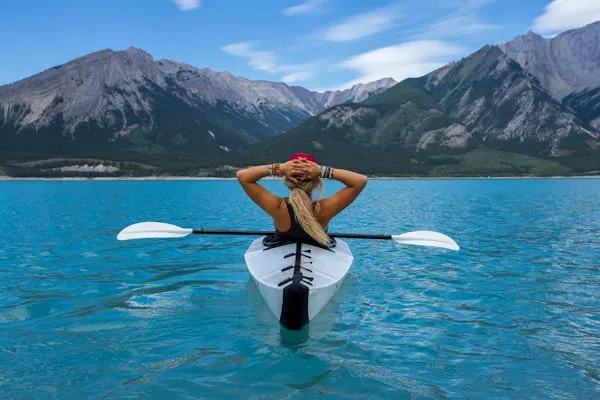
Building a Startup While Traveling the World: Why Solo Nomad Life Works
Updated

Share

Most of us have imagined what we’d do if we could go back in time. Maybe we’d make smarter financial decisions, take bigger risks earlier, or refuse to accept the “normal life” script handed to us.
One year ago, I stopped waiting for someday.
I left San Francisco, sold or gave away everything I owned, packed my life into a 40-liter backpack, and started traveling full-time. Over twelve months, I visited 45 cities in 20 countries, explored three Disney parks across continents, and even worked 50 hours per week building a startup.
And here’s the surprising part:
My total living costs were lower than my San Francisco rent.
Traveling Is Not the Same as Vacation
There’s a growing global community of digital nomads software developers, designers, writers, engineers, founders who work remotely while living internationally.
Traveling full-time is not an extended holiday. It’s structured freedom.
When you slow down and treat cities as temporary homes instead of tourist checklists, everything changes. You don’t rush to “see it all.” You explore for a few hours, work for a few hours, then explore again. That rhythm becomes sustainable.
If you’re considering independent travel for the first time, start with our complete Solo Travel Guide to understand planning, safety, and route strategy fundamentals.
I Became a Nomad by Accident
Three years earlier, I was preparing to leave Microsoft to move to San Francisco and build a startup. A friend asked a simple question:
“If your work lives on a computer, why do you need to live in one place?”
That question exposed an assumption I had never challenged that productivity required geography.
I tried six months traveling across Australia, Asia, and Europe. It was exciting, but I struggled to focus. So I moved back to San Francisco, convinced that Silicon Valley proximity would increase output.
Instead, I became comfortable.
I worked long hours but felt unproductive. Commutes, distractions, and routine slowly drained momentum.
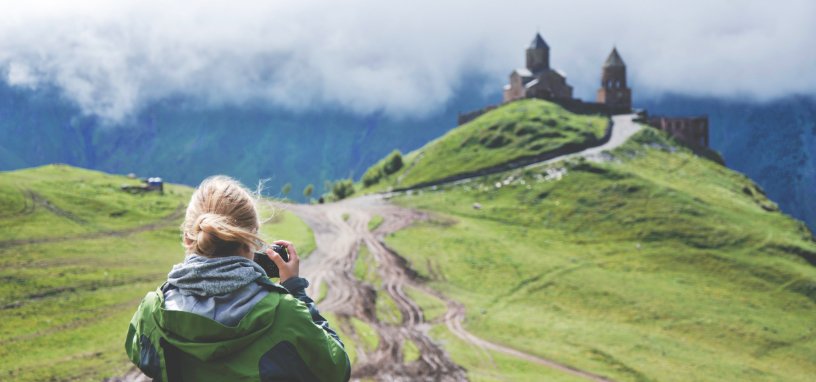
Traveling Is Often Cheaper Than Staying Put
When I compared monthly spending across:
-
Seattle (Capitol Hill)
-
San Francisco (Upper Haight)
-
20 countries across Europe and Asia
-
One month in Bali
Traveling came out cheaper.
Flights and trains were my largest variable expenses meaning staying longer in each city reduced costs even further.
If you’re planning your first extended trip abroad, our step-by-step breakdown on how to plan an international solo trip for the first time will help you calculate realistic budgets and avoid common financial mistakes.
Traveling Makes Me More Productive
The biggest surprise wasn’t cost it was output.
When I lived in one city, I sat at my computer for 12 hours a day. But during travel, I’d work in focused blocks 4 to 6 deep hours then step outside and explore.
That cycle of movement and focus sharpened my thinking.
If I hit a problem, I’d walk through a city until the solution formed. If I reached a milestone, I rewarded myself with exploration. The rhythm prevented burnout.
Cycling between work and discovery made my days lighter, sharper, and more intentional.
9 to 5 Isn’t Optimal for Creative Work
Office life wastes energy in subtle ways:
-
Commuting
-
Constant interruptions
-
Internet distractions
-
Artificial time blocks
Working remotely while traveling allowed me to design days around energy instead of a clock.
Your time is limited. Designing it intentionally changes everything.
Travel Expands Your Cultural Perspective
Living nomadically forces you outside your cultural bubble.
You observe:
-
Different work styles
-
Different social norms
-
Different definitions of success
-
Different daily rhythms
That expansion reshapes how you think. The same is true for cities, industries, and even careers.
Japanese street fashion has made the international news quite a bit this year, but not always for good reasons. From CNN and I-D Magazine to a much shared Quartz article to various unsourced blog posts, the English-speaking internet has been gleeful in declaring Harajuku “dead”. It’s a cliche at this point to dismiss stories as “Fake News”, but modern media feeds on shocking and upsetting headlines to get more clicks. “Harajuku is Dead!” sells far better than the more accurate “Harajuku is Changing”.
I’ve learned that people will forget what you said, people will forget what you did, but people will never forget how you made them feel.
– Maya Angelou
I wasted a lot of time when I worked in an office because of commuting and the massive distraction that is the internet. Now I spread my work throughout the day and take big breaks for exploring. After working for a few hours, I reach a milestone and explore the city until I want to get back to work. Or if I hit a problem I can’t figure out, I walk it off until I’ve solved it. Cycling between fun and work makes my days less exhausting and makes me less prone to burnout.Peco has proven she’s uniquely tuned into the trends that matter most to Harajuku’s youngest generation of girls. If she says that the swinging 60s have arrived, we aren’t going to argue!
For bonus 1960s-inspired Japanese fashion, check these two groovy boutiques:
The Power of Natural Perspective
One of the most grounding moments of my travels came at Victoria Falls, one of the world’s largest waterfalls and a UNESCO World Heritage site.
Standing in front of that scale of nature reframes everything stress, deadlines, ambition.
You can explore the official UNESCO overview of Victoria Falls. Travel reminds you how small your daily worries are compared to the world’s vastness.
Traveling Is a Lifestyle, Not a Highlight Reel
When I first started, I acted like a tourist photos of everything, packed itineraries, exhaustion.
Then I realized:
This isn’t vacation. This is life.
If you have a month in a city, you don’t need to conquer it in a week.
That mindset shift changed everything.
If Europe is on your radar, our detailed 2026 breakdown on Solo Travel Europe: Budget Routes and Safety Tips covers optimized routes, cost expectations, and safety systems for independent travelers.
What I Learned
People forget what you said.
People forget what you did.
But they remember how you made them feel – Maya Angelou
Travel teaches presence.
It forces awareness.
It creates memory through experience.
And surprisingly when structured correctly it can be more financially responsible and professionally productive than staying in one place.
Final Thought
Nomadic life isn’t for everyone. But questioning default assumptions is.
You don’t need permission to design a different version of work and life.
If you’re ready to rethink how you travel whether short-term or long-term explore more structured guides and strategy breakdowns at:
Smarter travel isn’t about escaping life.
It’s about designing it intentionally.
Designing a flexible life takes planning. Discover practical travel systems, digital nomad insights, and destination breakdowns at talktravel.
Frequently Asked Questions
1. Is it really cheaper to travel full-time than live in one city?
In many cases, yes. High-rent cities like San Francisco, New York, or London often cost more monthly than slow-traveling through Eastern Europe, Southeast Asia, or parts of Latin America. Accommodation flexibility, lower daily expenses, and eliminating commuting costs can significantly reduce overall spending.
2. How do digital nomads stay productive while traveling?
Productivity comes from structured flexibility. Many nomads work in focused 4–6 hour deep-work blocks, then explore or recharge. Changing environments can reduce burnout and improve creativity. Reliable WiFi, coworking spaces, and time-blocking systems are key.
3. What’s the biggest mistake first-time solo travelers make?
Trying to treat long-term travel like a vacation. Overpacking itineraries leads to exhaustion. Sustainable travel requires slower pacing, financial planning, and safety awareness.
If you’re just getting started, read our full Solo Travel Guide.
4. How do I plan my first international solo trip?
Start with:
- Budget calculation
- Visa and entry requirement checks
- Travel insurance
- Accommodation strategy
- Arrival logistics
5. Is solo travel safe?
Europe and many global destinations are statistically safe for independent travelers. The biggest risk is petty theft in crowded areas. Basic precautions secure bags, document backups, and awareness significantly reduce risk.
6. How do solo travelers meet people?
Hostels, coworking spaces, free walking tours, digital nomad communities, and travel apps create easy connection opportunities. Many solo travelers alternate between social days and independent exploration.
7. What’s the best region for beginner solo travelers?
Portugal, Czech Republic, Netherlands, and Austria are excellent starter destinations due to infrastructure, safety, and English accessibility. Eastern Europe and the Balkans offer strong value for budget-conscious travelers.
8. Do I need travel insurance as a digital nomad?
Yes. Medical emergencies abroad can cost thousands of dollars without coverage. Choose policies covering medical care, evacuation, trip interruption, and theft protection.
9. Can I build a business while traveling?
Yes many founders and freelancers operate remotely. Success depends on routine, disciplined work blocks, strong internet access, and clear financial planning.
If you’re planning your first independent journey, start with our complete resources on route strategy, budgeting, and safety systems at talktravel stories
Share
Published by TalkTravel — a community of travel enthusiasts sharing real advice.
Have feedback? Contact our team.