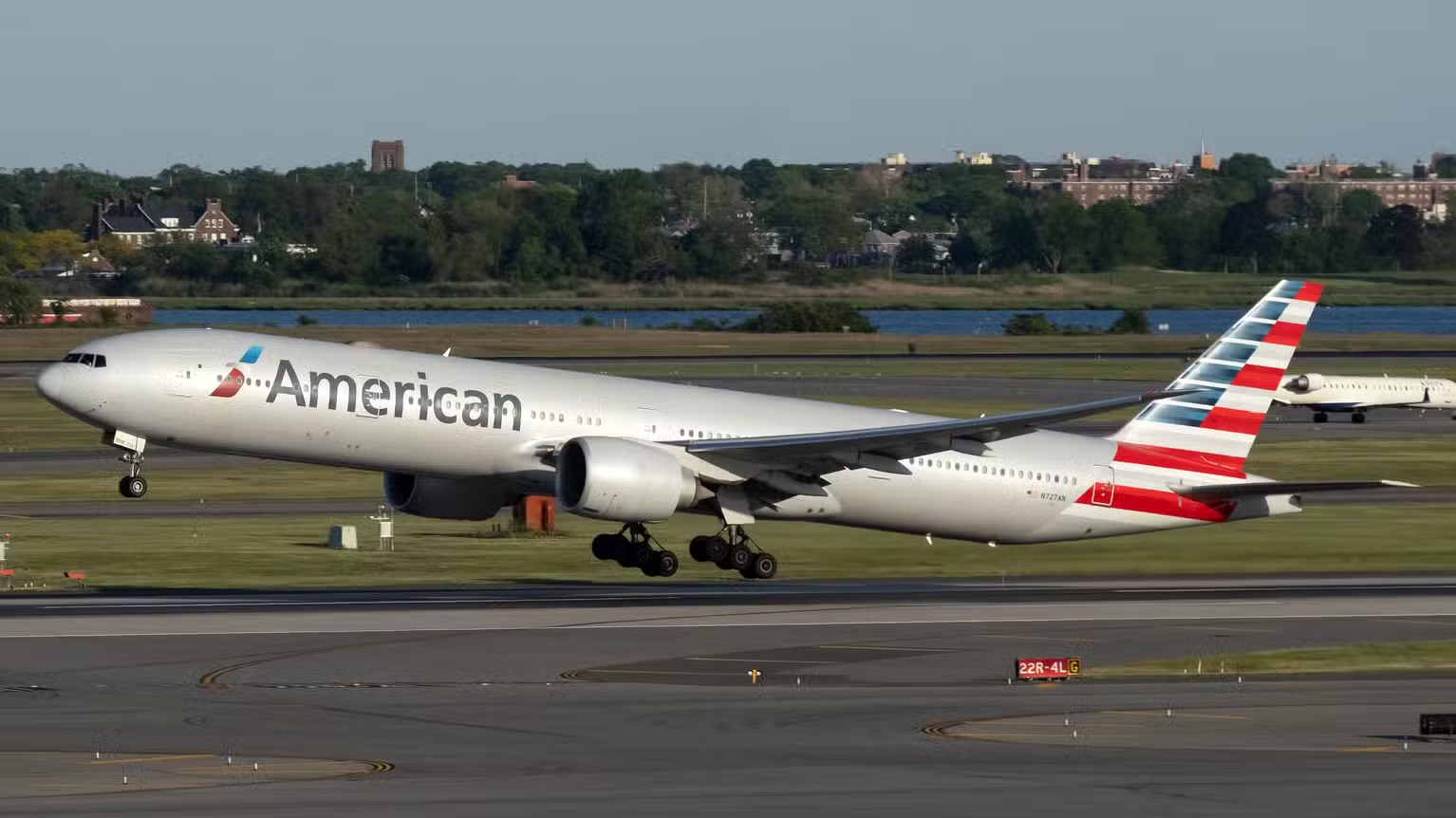
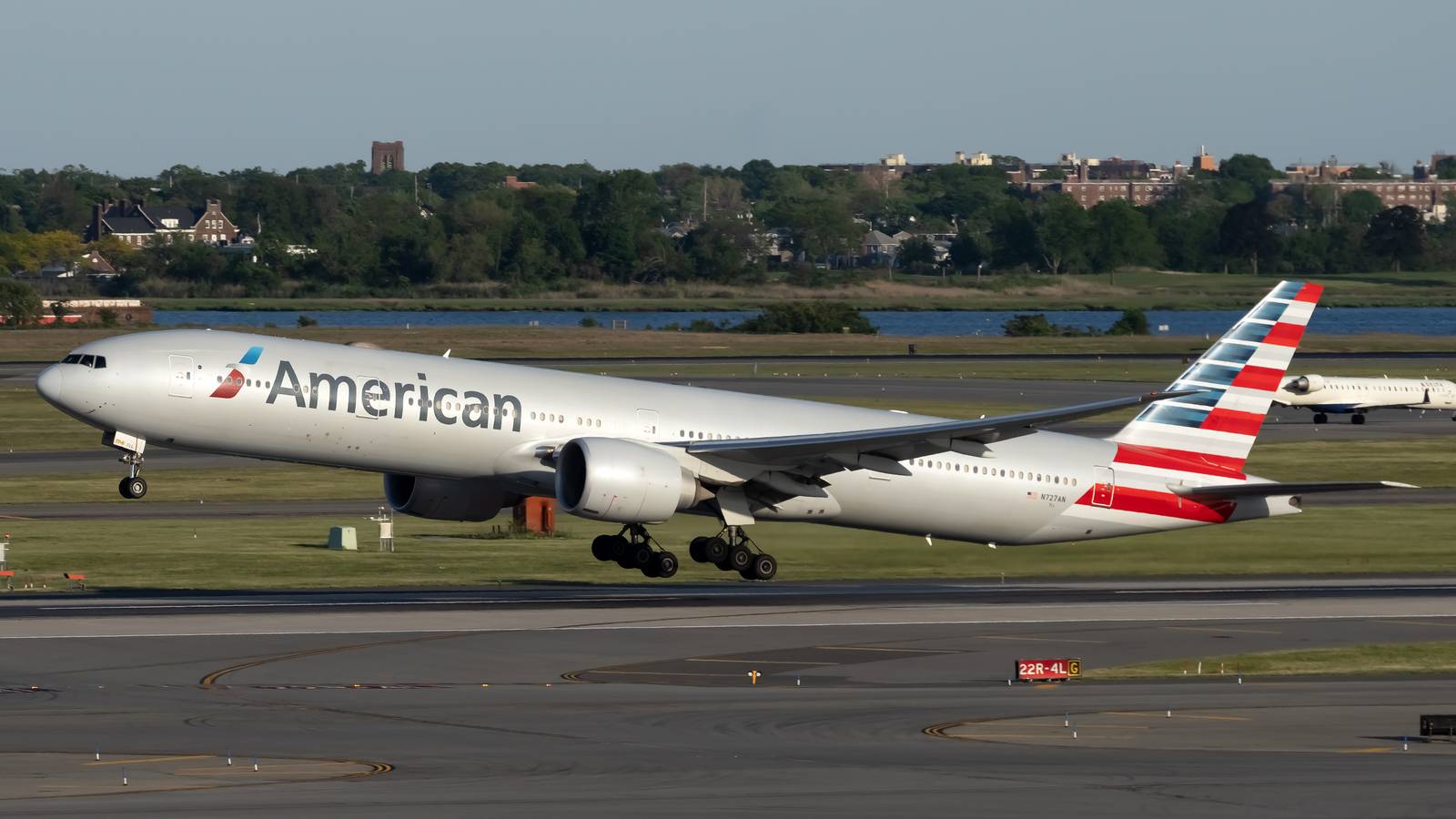
I never thought checking in for a flight could become the start of a $216,000 lawsuit, but here we are. On June 12th, I was flying from Paris Charles de Gaulle to Chicago O’Hare with my husband and son. I use a specially designed powered wheelchair due to severe cardiac and neuromuscular conditions, and I rely on accessible processes to make travel possible. When I tried to check in online, the system showed incorrect titles for our group, locking me out of completing check-in. Despite calls to American Airlines customer service, nothing could be fixed, and I was told overseas online check-in wasn’t always possible. That last-minute scramble added physical strain, disrupted my medical routines, and threw my disability accommodations into uncertainty before I even reached the airport.
Arriving in Chicago, I expected my wheelchair to be brought to the aircraft door, as required by law. Instead, it was sent straight to baggage claim. I refused to leave until it was returned an hour of being stranded on the plane, educating the crew on my rights. For that ordeal, American offered a $75 voucher, which felt insulting given the toll on my health and dignity. Now, I’m pursuing justice under the Montreal Convention, not just for myself but to highlight how critical accessibility is in air travel. A glitch should never endanger a passenger’s health or strip them of their basic rights.

 0
0