Introduction

Solo travel in Europe reached record levels in 2026 with 18.2 million independent travelers exploring the continent alone, representing a 34% increase since 2023. The combination of enhanced rail connections, budget airline expansion, and digital nomad infrastructure makes Europe the most accessible region for first-time solo adventurers. Average daily costs range from $45-180 depending on destination choices, travel style, and advance planning.

Safety improvements across major European cities, widespread English proficiency, and robust traveler protections create an ideal environment for independent exploration. Understanding budget-optimized routes, accommodation strategies, and situational awareness techniques ensures both financial efficiency and personal security throughout your journey.

Join broader travel discussions and route insights on TalkTravel.

Why Europe Excels for Solo Travelers

European infrastructure specifically supports independent travel through interconnected transportation, standardized safety protocols, and thriving solo traveler communities. The continent’s compact geography allows visiting 5-8 countries in 2-3 weeks without excessive transit time or costs.

Infrastructure Advantages

Europe’s transportation networks eliminate the challenges facing solo travelers in other regions:

Rail Connectivity

  • 250,000+ kilometers of rail lines connecting 44 countries
  • Hourly departures between major cities during peak travel season
  • Single ticketing systems across multiple countries through Eurail and Interrail passes
  • WiFi availability on 85% of long-distance trains
  • Luggage storage at virtually every station

Budget Flight Networks

  • Ryanair operates 3,000+ daily flights across 225 European airports
  • EasyJet, Wizz Air, and Vueling provide additional low-cost options
  • Average flight costs: $25-75 for routes under 1,000 miles when booked 6-8 weeks advance
  • Multiple daily frequencies between major hubs ensure schedule flexibility

Urban Public Transit

  • Comprehensive metro, tram, and bus systems in cities over 100,000 population
  • English signage and announcements standard in tourist areas
  • Contactless payment acceptance across Western and Central Europe
  • 24-hour service in major cities like Berlin, Madrid, and Copenhagen

Cultural Accessibility

Language barriers pose minimal challenges for English-speaking solo travelers:

  • 72% of Europeans under age 40 speak conversational English
  • Tourist services operate primarily in English across major destinations
  • Translation apps with offline capability eliminate communication gaps
  • Hostel staff universally speak English in backpacker-oriented cities

The European culture of café dining, walking tours, and shared social spaces creates natural opportunities for solo travelers to connect with locals and other adventurers. Unlike destinations where solo dining draws attention, eating alone in European restaurants represents completely normal behavior.

Budget-Optimized Solo Travel Routes

Strategic route planning dramatically impacts total trip costs. These itineraries balance must-see destinations with budget-friendly alternatives, optimizing transportation efficiency and accommodation costs.

Illustration of a traveler planning a budget travel itinerary on a laptop

Eastern Europe Budget Loop (14-21 Days)

This route delivers exceptional value with daily costs averaging $45-75:

Route Overview

  • Budapest, Hungary (3-4 days) → Krakow, Poland (3 days) → Prague, Czech Republic (3-4 days) → Vienna, Austria (2-3 days) → Budapest (1 day)
  • Total distance: 1,450 kilometers
  • Primary transport: Trains and budget buses
  • Estimated transport cost: $120-180 for entire route

Daily Cost Breakdown by City

CityHostel/Budget HotelMealsTransportActivitiesTotal Daily
Budapest$18-28$15-25$5-8$8-15$46-76
Krakow$15-25$12-20$4-7$10-18$41-70
Prague$20-32$18-28$6-10$12-20$56-90
Vienna$25-38$22-35$8-12$15-25$70-110

Route Highlights

  • Budapest’s thermal baths ($15-25 entry) and ruin bars
  • Auschwitz-Birkenau day trip from Krakow ($35-50 including transport)
  • Prague’s Old Town Square and astronomical clock (free)
  • Vienna’s Schönbrunn Palace ($20 entry) and coffeehouse culture

Transportation between these cities costs significantly less than Western European equivalents. The Budapest-Krakow bus route runs $18-35 (7 hours), while Krakow-Prague trains cost $25-45 (8 hours). Booking transportation 2-3 weeks advance secures lowest fares.

Mediterranean Coastal Route (18-25 Days)

Sun-focused itinerary with daily costs averaging $65-95:

Route Structure

  • Barcelona, Spain (4 days) → Nice, France (2-3 days) → Cinque Terre, Italy (2 days) → Florence, Italy (3 days) → Rome, Italy (4 days) → Naples, Italy (2 days) → Amalfi Coast (3 days)
  • Total distance: 2,100 kilometers
  • Transport mix: Budget flights, regional trains, ferries
  • Transport budget: $200-320

Accommodation Strategies

  • Barcelona: Gothic Quarter hostels $22-35/night
  • Nice: Backpacker hostels near train station $28-42/night
  • Cinque Terre: Monterosso guesthouses $35-55/night
  • Florence: Oltrarno neighborhood budget hotels $40-65/night
  • Rome: Termini area hostels $25-40/night
  • Amalfi: Salerno base with day trips $30-50/night

This route requires more careful budgeting than Eastern Europe but provides Mediterranean climate, coastal scenery, and world-class cuisine. Flying Barcelona to Nice ($35-75 on Ryanair) saves 12 hours versus overland travel. The Rome-Naples-Amalfi segment uses regional trains costing $15-30 between cities.

Northern Europe Culture Circuit (16-20 Days)

Higher daily costs ($90-140) offset by exceptional safety and English proficiency:

Primary Cities

  • Copenhagen, Denmark (3 days) → Malmö, Sweden (1 day) → Stockholm, Sweden (3 days) → Oslo, Norway (2-3 days) → Bergen, Norway (2 days) → Amsterdam, Netherlands (3-4 days)
  • Total distance: 2,800 kilometers
  • Transport: Mix of trains, budget flights, ferries
  • Transport costs: $250-400

Cost-Saving Strategies

  • Stay in Copenhagen suburbs using metro access (save $20-30/night)
  • Self-cater breakfast and lunch from supermarkets (save $25-40 daily)
  • Use city cards for free museum entry and unlimited transport
  • Book Bergen-Amsterdam flight 8-10 weeks advance ($45-85 vs $150-250)

Northern Europe’s premium pricing gets offset by free or low-cost major attractions. Copenhagen’s Nyhavn harbor, Stockholm’s Gamla Stan old town, and Amsterdam’s canal districts provide hours of exploration without admission fees. Consider this route if prioritizing safety, cleanliness, and seamless logistics over rock-bottom pricing.

Budget Balkans Adventure (12-18 Days)

The continent’s most affordable route with $35-60 daily costs:

Itinerary Flow

  • Sofia, Bulgaria (2-3 days) → Skopje, North Macedonia (2 days) → Tirana, Albania (2-3 days) → Sarajevo, Bosnia (3 days) → Dubrovnik, Croatia (2-3 days) → Split, Croatia (2 days)
  • Total distance: 1,650 kilometers
  • Transport: Budget buses, occasional flights
  • Transport budget: $90-150

Ultra-Budget Breakdown

  • Hostel beds: $8-15/night in Sofia, Skopje, Tirana
  • Street food meals: $3-7 in Bulgaria, Macedonia, Albania
  • Inter-city buses: $10-25 for 4-8 hour journeys
  • Museum entries: $3-8 in most locations

This route showcases dramatic mountain scenery, Ottoman architecture, and emerging food scenes while maintaining lowest costs in Europe. The Balkans remain undiscovered by mass tourism, creating authentic cultural experiences. Solo travelers report consistently positive interactions and genuine hospitality throughout the region. Understanding carry-on luggage rules becomes particularly important when using budget bus services with strict baggage policies.

Transportation: Trains vs Flights vs Buses

Selecting optimal transport modes balances cost, time efficiency, and travel experience. Each option serves different route types and budget levels.

Rail Travel Analysis

Passenger train traveling through a snowy European landscape

Europe’s cross-border rail interoperability is supported by EU-wide transport standards and ongoing rail modernization. European trains provide comfortable, scenic transportation ideal for solo travelers working or reading during transit:

Eurail Pass Cost-Benefit

  • 15-day continuous pass (2nd class): $465-545 depending on age
  • Break-even point: Approximately $31/day in train travel
  • Best for: 8+ train journeys in 15 days across multiple countries
  • Not recommended for: Staying primarily in 1-2 countries

Point-to-Point Ticket Strategies

  • Book 60-90 days advance for dynamic pricing (save 40-70%)
  • Use rail operators’ websites directly: SNCF (France), Trenitalia (Italy), Renfe (Spain)
  • Regional trains cost 50-70% less than high-speed options with 30-60 minute longer journey times
  • Example: Paris-Brussels regional train $35 (2h 45m) vs high-speed $89 (1h 22m)

Overnight Train Economics

  • Budapest-Vienna Nightjet: $40-75 for couchette (saves one night accommodation)
  • Stockholm-Copenhagen sleeper: $65-95 in shared compartment
  • Include bedding, breakfast, and wake-up service
  • Availability limited; book 3-4 months advance for summer travel

Rail travel works best for distances under 500 miles where journey times remain under 4-5 hours. The ability to work with WiFi, avoid airport security, and arrive in city centers justifies premium costs over budget airlines for many solo travelers.

Budget Airline Navigation

Model airplane placed on a jar of savings money for budget travel planning

Low-cost carriers enable reaching distant cities quickly but require understanding fee structures:

Hidden Cost Awareness

  • Base fares: $15-65 for routes under 1,000 miles
  • Checked bag fees: $25-50 each way (avoid by using carry-on only)
  • Seat selection: $8-25 (unnecessary for solo travelers)
  • Priority boarding: $6-15 (skip unless tight connection)
  • Airport transfers: $8-25 each way from secondary airports

Best Value Routes

  • London-Athens: $35-75 (4-hour flight vs 48+ hours overland)
  • Barcelona-Rome: $30-65 (2-hour flight vs 14 hours train)
  • Berlin-Lisbon: $45-95 (3.5-hour flight vs 30+ hours overland)

Book budget flights Tuesday-Thursday mornings when airlines release promotional fares. Clear browser cookies or use incognito mode to prevent dynamic pricing based on search history. Secondary airports (Beauvais for Paris, Bergamo for Milan, Stansted for London) offer cheapest fares but factor 60-90 minutes additional ground transport time.

Bus Network Advantages

Solo traveler sitting alone on a city bus while traveling through Europe

FlixBus, RegioJet, and other bus operators provide ultra-budget connectivity:

Cost Comparison

  • Average per-mile cost: $0.02-0.04 (vs $0.06-0.10 for trains)
  • Free luggage allowance: 1 checked bag + 1 carry-on (no weight restrictions)
  • Onboard WiFi: Available on 90% of long-distance routes
  • Power outlets: Standard at every seat on modern coaches

When Buses Make Sense

  • Overnight routes saving accommodation costs
  • Secondary cities with limited rail service
  • Ultra-budget travel prioritizing cost over time
  • Routes lacking direct train connections

Buses work well for journeys like Budapest-Vienna ($8-18, 3 hours), Prague-Dresden ($12-22, 2.5 hours), or Amsterdam-Brussels ($15-28, 3 hours). Expect journey times 20-40% longer than equivalent trains but at 60-75% cost savings. Many solo travelers combine transport modes, using trains for primary routes and buses for shorter connecting segments.

Accommodation Strategies for Solo Travelers

Lodging represents the largest variable expense in European travel. Strategic choices between hostels, budget hotels, and alternative options dramatically impact overall costs.

Hostel Selection Criteria

Quality hostels provide social opportunities while maintaining security and cleanliness:

Evaluating Hostel Options

  • Minimum rating: 8.0+ on Hostelworld or Booking.com
  • Reviews mentioning: Cleanliness, security lockers, quiet hours enforcement
  • Female-only dorm availability for women travelers
  • Individual reading lights and power outlets at each bed
  • Kitchen facilities for self-catering
  • Common areas designed for social interaction

Dorm Room Economics

  • 8-12 bed dorms: $15-28/night (most budget-friendly)
  • 4-6 bed dorms: $22-38/night (better sleep quality)
  • Female-only dorms: $2-5 premium over mixed dorms
  • Private hostel rooms: $45-75/night (competitive with budget hotels)

Security Best Practices

  • Store valuables in provided lockers (bring own padlock)
  • Keep passport and cards in under-clothing money belt
  • Never leave electronics unattended in common areas
  • Use hostel safe for extra cash and backup documents

Cities like Budapest, Prague, Barcelona, and Lisbon offer exceptional hostel infrastructure with 50+ highly-rated options per city. Smaller destinations may have limited hostel choices, requiring budget hotel alternatives. Understanding hidden airline fees helps budget properly for the transportation component connecting accommodation locations.

Budget Hotel Alternatives

Hotels provide privacy and often better locations for marginal cost increases:

When Hotels Make Sense

  • Stays over 4-5 nights qualifying for weekly discounts
  • Secondary cities with limited hostel infrastructure
  • Need for reliable WiFi for remote work
  • Preference for private bathroom and quiet environment

Booking Strategies

  • Use Booking.com Genius program (10-15% loyalty discounts)
  • Check hotel direct websites for rate matching
  • Target 2-star hotels in residential neighborhoods
  • Book refundable rates when schedule uncertain

Expected Pricing

  • Eastern Europe: $35-55/night for basic private room
  • Southern Europe: $50-75/night in medium cities
  • Western/Northern Europe: $65-95/night outside major metros
  • Capital cities: Add 30-50% premium to above ranges

Airbnb entire apartments work for 4+ night stays when daily rate drops to $45-70. However, cleaning fees ($25-50) and service charges (14-18%) make Airbnb uneconomical for 1-2 night stays compared to hostels or hotels.

Alternative Lodging Options

Creative accommodation reduces costs while enhancing cultural immersion:

Couchsurfing Networks

  • Free accommodation staying with local hosts
  • Requires advance profile building and references
  • Best for: Culturally curious travelers prioritizing authentic connections
  • Safety considerations: Meet publicly first, trust verification system

House Sitting Platforms

  • Trusted House sitters and similar services connect travelers with homeowners
  • Free accommodation in exchange for pet care or plant watering
  • Membership fees: $129-189 annually
  • Minimum stay: Usually 1-2 weeks (impractical for fast-paced touring)

Monastery and Convent Stays

  • Available in Italy, Spain, Austria, and other Catholic regions
  • Cost: $35-60/night including simple breakfast
  • Curfews and quiet hours enforced
  • Unique cultural experience in historic buildings

Mix accommodation types throughout longer trips. Use hostels in social cities like Barcelona or Berlin, hotels in smaller towns lacking hostel infrastructure, and alternative options for extended stays. This variety prevents accommodation fatigue while optimizing costs across different route segments.

Solo Dining and Food Budget Management

Food expenses range from $20-60 daily depending on dining choices and destination. Strategic approaches maintain nutrition while controlling costs.

Self-Catering Strategies

Solo traveler enjoying a simple meal and wine at sunset overlooking the sea

Preparing 1-2 meals daily cuts food budgets by 40-60%:

Supermarket Shopping

  • Breakfast staples: $15-25 for 5-7 days (yogurt, fruit, bread, spreads)
  • Lunch components: $20-35 for 5-7 days (cheese, cold cuts, vegetables, snacks)
  • Local supermarket chains: Lidl, Aldi (budget), Carrefour, Tesco (mid-range)

Hostel Kitchen Utilization

  • Cook dinner 3-4 nights weekly (save $30-50)
  • Batch cook pasta, rice dishes, salads for multiple meals
  • Share cooking with other travelers to split costs
  • Store leftovers in hostel refrigerators (label clearly)

Picnic Culture

  • European parks and public spaces welcome outdoor dining
  • Purchase fresh bread, cheese, fruit from markets
  • Cost per meal: $5-10 vs $15-30 restaurant equivalent

Budget-Friendly Restaurant Dining

Experiencing local cuisine needn’t destroy budgets with informed choices:

Lunch vs Dinner Pricing

  • Set lunch menus: $10-18 (same dishes cost $18-32 at dinner)
  • Business lunch specials: Common in Spain, France, Italy
  • Traditional lunch timing: 12:00-14:00 for best value

Restaurant Categories

  • Local taverns/trattorie: $12-22 per meal
  • Ethnic restaurants (Turkish, Asian, Middle Eastern): $8-15 per meal
  • Casual chains: $10-18 per meal
  • Fine dining: $35-75+ (reserve for 1-2 special occasions)

Money-Saving Tactics

  • Drink tap water (free in most European countries)
  • Share appetizers or desserts with tablemates
  • Skip alcohol with meals (saves $8-18 per meal)
  • Use student discounts where applicable (15-25% off)

Solo dining in Europe carries no social stigma. Bring a book or journal, sit at bar counters in restaurants, or use dining time for trip planning. Many solo travelers report restaurant interactions leading to friendships and local recommendations.

Street Food and Market Options

Affordable, authentic eating from vendors and market stalls:

Top European Street Food Cities

  • Istanbul (Turkey): Döner kebabs, simit bread rings ($2-5)
  • Budapest (Hungary): Lángos, chimney cakes ($3-6)
  • Berlin (Germany): Currywurst, döner ($4-8)
  • Prague (Czech Republic): Trdelník, klobása sausages ($3-7)
  • Barcelona (Spain): Bocadillos, pintxos ($4-9)

Food Market Recommendations

  • Budapest Great Market Hall: Upper floor restaurants $6-12 per meal
  • Barcelona La Boqueria: Fresh juice, seafood tapas $5-10
  • Paris Marché d’Aligre: Cheese, bread, prepared foods $8-15
  • Florence Mercato Centrale: Upstairs food court $8-16

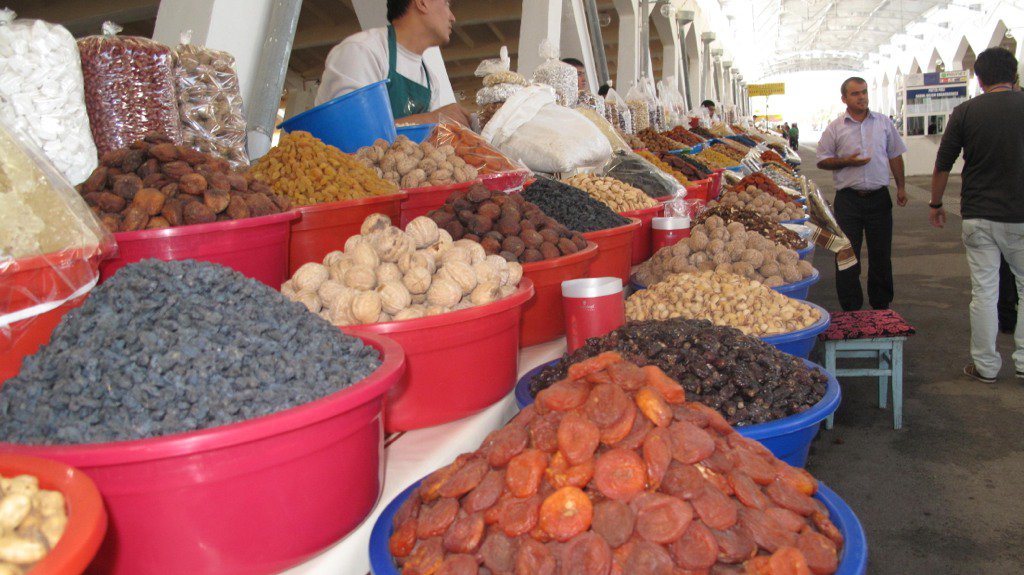
Markets provide insight into local food culture while offering samples and interaction with vendors. Visit early morning (8:00-10:00) for freshest selection and smaller crowds. Many markets include prepared food counters serving traditional dishes at 40-60% below restaurant prices.

Essential Safety Tips for Solo European Travel

Solo traveler sitting by a riverfront in a European city, watching boats pass

Europe ranks among the world’s safest regions for solo travelers with violent crime rates 60-75% lower than North America. However, petty theft targeting tourists requires awareness and preventive measures.

Common Scams and Prevention

Tourist-targeting scams concentrate in major cities and transportation hubs:

Pickpocketing Hotspots

  • Metro systems: Barcelona L3, Rome Termini-Colosseum line, Paris 1/4 lines
  • Tourist attractions: Eiffel Tower area, Trevi Fountain, Sagrada Familia vicinity
  • Crowded markets: Porta Portese Rome, El Rastro Madrid
  • Busy restaurant districts during evening hours

Prevention Techniques

  • Front pockets only for phones and wallets
  • Anti-theft bags with slash-resistant materials and locking zippers
  • Minimal valuables when visiting crowded attractions
  • Photocopy important documents (keep separate from originals)
  • Money belt under clothing for passport and backup cards

Prevalent Scam Types

ScamHow It WorksPrevention
Petition Scam“Deaf” people request petition signature, pickpocket during distractionRefuse to engage, keep moving
Gold Ring TrickSomeone “finds” gold ring, offers to sell, accomplice pickpocketsIgnore anyone showing found items
Helpful StrangerOffers unsolicited help with tickets/directions, steals during “assistance”Politely decline help, use official staff
Fake PoliceImposters request to see wallet/passport for “document check”Ask to walk to police station for verification
Taxi OverchargeBroken meter, scenic route, inflated faresUse official taxi stands, agree fare before entry

Report thefts immediately to local police for insurance claims and replacement document processing. Most European cities maintain tourist police units with English-speaking officers specifically handling visitor incidents.

Accommodation Safety Protocols

Hostel and hotel security requires active participation:

Room Security Measures

  • Always lock doors when sleeping or absent
  • Use door wedge or portable lock for additional security
  • Keep ground floor windows closed when unattended
  • Store valuables in room safe or reception safe

Choosing Safe Neighborhoods

  • Research accommodation areas using Google Maps street view
  • Avoid: Poorly lit streets, areas with shuttered businesses, excessive graffiti
  • Prefer: Proximity to metro stations, well-lit main streets, mixed residential/commercial

Red Flags in Hostels

  • Broken locks or security equipment
  • Front door propped open without staff monitoring
  • Excessive partying disrupting quiet hours
  • Staff unable to articulate emergency procedures

Solo female travelers should prioritize hostels with 24-hour reception, security cameras in common areas, and strict guest check-in policies preventing non-guests from entering. Female-only dorms provide additional comfort though generally maintain similar security levels to mixed dorms.

Transportation Safety

Moving between destinations presents specific considerations:

Night Travel Precautions

  • Sit near other passengers or conductor on trains
  • Avoid empty train cars late at night
  • Use official taxi ranks rather than street hails after 22:00
  • Share ride details with friend or family via messaging apps

Airport and Station Safety

  • Arrive at stations 20-30 minutes before departure (not excessively early)
  • Stay in main concourses rather than isolated platform areas
  • Keep luggage physically touching you when seated
  • Decline unsolicited help with bags or directions

Budget Airline Security Understanding regulations helps avoid issues during screening. The TSA and European security protocols share similar requirements for liquids and prohibited items, though minor variations exist between countries.

Emergency Preparedness

Preparation enables quick response during unexpected situations:

Essential Information to Carry

  • Emergency contact numbers: EU-wide 112 emergency number
  • Embassy contact details for your country
  • Travel insurance policy number and 24-hour helpline
  • Accommodation addresses and phone numbers
  • Backup copies of passport, cards, tickets (digital and paper)

Medical Preparedness

  • European Health Insurance Card (EHIC) for EU citizens
  • Private travel insurance covering medical evacuation ($50,000+ minimum)
  • Prescription medications in original packaging with doctor’s note
  • Basic first aid supplies: Pain relievers, bandages, anti-diarrheal medication

Communication Backup

  • Download offline maps for every destination
  • Save important contacts with country codes
  • Enable international roaming or purchase local SIM cards ($15-30/month)
  • Register with your embassy’s traveler program if available

Women traveling solo should consider installing safety apps like bSafe, Noonlight, or TripWhistle that enable quick emergency contact and location sharing. These apps provide peace of mind while adding minimal phone storage or battery drain.

Money Management and Banking

Financial planning prevents both overspending and access problems during travel.

Budget Allocation Framework

Distribute funds across categories to maintain spending control:

Daily Budget Template (Mid-Range Travel)

  • Accommodation: 30-35% of daily budget
  • Food: 25-30% of daily budget
  • Transport: 15-20% of daily budget
  • Activities/Entry fees: 15-20% of daily budget
  • Contingency: 10% of daily budget

Example: $80 Daily Budget

  • Accommodation: $25 (hostel dorm)
  • Food: $22 (breakfast self-catered, lunch budget restaurant, dinner home-cooked)
  • Transport: $12 (city transit and occasional inter-city bus)
  • Activities: $13 (one paid museum or attraction)
  • Contingency: $8

Tracking apps like Trail Wallet, Splitwise, or simple spreadsheets help monitor actual vs planned spending. Review the budget weekly and adjust categories based on actual patterns. Many travelers overspend on food while underspending on activities, missing attractions that motivated their trip.

Cards and Cash Strategy

Optimal payment mix minimizes fees while ensuring transaction capability:

Credit Card Recommendations

  • No foreign transaction fee cards essential (save 3% on all purchases)
  • Chip-and-PIN capability required (signature cards increasingly rejected)
  • Notify bank of travel dates to prevent fraud blocks
  • Carry two different card networks (Visa + Mastercard)

Cash Requirements

  • Carry 2-3 days worth of local currency upon arrival
  • Exchange at city center ATMs (avoid airport exchanges charging 8-12% premium)
  • Daily cash withdrawal: $50-100 to minimize ATM fees
  • Keep emergency $100-200 USD/EUR separate from daily cash

Payment Preferences by Country

  • Nordic countries: 95% cashless, cards accepted everywhere
  • Western Europe: 70% card usage, cash needed for small purchases
  • Eastern/Southern Europe: 60% cash preferred, many small vendors cash-only
  • Germany/Austria: Surprisingly cash-dependent, many restaurants/shops cash-only

Inform your bank of all countries you’ll visit, including transit stops. Banks frequently flag legitimate transactions as fraudulent when unexpected country patterns appear. Test ATM card functionality in your first destination to confirm international withdrawal capability.

Budget Tracking and Adjustments

Successful budget management requires regular monitoring:

  • Daily Check-In: Review spending each evening, note unusual expenses
  • Weekly Analysis: Compare actual spending to planned budget by category
  • Mid-Trip Adjustment: Reallocate remaining funds based on first-week patterns
  • Category Flexibility: Overspending on food? Reduce by choosing cheaper accommodation

Most solo travelers find actual spending runs 15-25% above initial estimates during the first week, then normalizes as they learn local pricing and develop efficient routines. Building a 20% budget contingency prevents stress when reality exceeds expectations.

Packing Essentials for Solo European Travel

Efficient packing balances preparation with mobility. Carrying less enhances solo travel flexibility and reduces physical burden.

Luggage Selection Strategy

Bag choice impacts daily travel experience significantly:

Carry-On Backpack (40-45L)

  • Best for: Multi-city itineraries, budget airline travel, hostel stays
  • Dimensions: Stay within 55x40x20cm airline limits
  • Features: Lockable zippers, laptop compartment, hip belt for weight distribution
  • Brands: Osprey Farpoint 40, Tortuga Setout, Nomatic Travel Pack

Carry-On Roller (22″)

  • Best for: Hotel stays, limited walking between accommodations, older travelers
  • Advantages: No back strain, easier packing organization
  • Disadvantages: Cobblestone streets difficult, hostel storage less convenient
  • Consider: Four-wheel spinner models for maneuverability

Packing Cubes System

  • Separate clothes by type (tops, bottoms, underwear, accessories)
  • Compression cubes reduce volume by 30-40%
  • Color coding enables quick identification
  • Cost: $25-45 for quality set

Avoid checking bags when possible. Checked baggage fees ($25-50 each way) plus waiting at carousels waste time and money. Strategic packing in regulation carry-on eliminates these hassles. Review current carry-on luggage rules before departure as size limits vary between carriers.

Clothing Recommendations

European travel spans diverse climates requiring adaptable wardrobe:

One-Week Packing List (Mix-and-Match)

  • 3-4 tops (2 t-shirts, 1-2 long-sleeve)
  • 2 bottoms (1 jeans/pants, 1 shorts/skirt)
  • 1 versatile dress or smart-casual outfit
  • 1 lightweight jacket or fleece
  • 1 rain jacket or windbreaker
  • 5-7 underwear (quick-dry fabric)
  • 3-4 pairs socks
  • 1 pair comfortable walking shoes
  • 1 pair sandals or casual shoes
  • Sleepwear, swimsuit

Seasonal Adjustments

  • Summer (June-August): Add sun hat, sunglasses, light scarf
  • Spring/Fall (April-May, September-October): Add medium-weight jacket, long pants
  • Winter (November-March): Add warm coat, gloves, hat, thermal layers

Fabric Priorities

  • Merino wool: Odor-resistant, wears 3-5 days between washes
  • Synthetic quick-dry: Wash in sink, dry overnight
  • Avoid cotton: Slow drying, wrinkles easily, heavy when wet

Laundry access exists at most hostels ($4-8 per load) and laundromats in all cities ($8-15 wash and dry). Alternatively, hand wash in accommodation sinks using travel-size detergent. Planning to wash clothes 2x weekly enables packing for one week regardless of trip length.

Technology and Electronics

Digital tools enhance solo travel while requiring protection:

Essential Electronics

  • Smartphone with international plan or SIM capability
  • Portable battery pack (10,000+ mAh capacity)
  • Universal adapter with USB charging ports
  • Headphones (wired backup plus wireless primary)
  • Kindle or tablet for entertainment during transit

Optional Technology

  • Laptop if working remotely (consider 13″ vs 15″ for weight)
  • Camera if photography enthusiast (phone cameras adequate for casual shooters)
  • Portable WiFi hotspot for reliable connectivity ($8-15/day rental)

Protection Measures

  • Waterproof cases or bags for electronics
  • Screen protectors to prevent damage
  • Encrypted backup of important documents to cloud storage
  • Cable organizer to prevent tangling

European electrical systems operate at 220-240V with varying plug types. A universal adapter ($15-30) works across all countries. USB charging eliminates most voltage concerns as phone/tablet chargers handle 100-240V automatically.

Solo traveler packing clothes neatly into a suitcase at home before a Europe trip

Health and Toiletries

Personal care items balance necessity with space efficiency:

Toiletry Minimalism

  • Travel-size containers for shampoo, conditioner, soap (under 100ml each)
  • Solid alternatives: Shampoo bars, solid deodorant (no liquid restrictions)
  • Medications: Pain relievers, anti-diarrheal, antihistamines, personal prescriptions
  • First aid: Bandages, blister treatment, antiseptic wipes

Feminine Hygiene

  • Menstrual products available everywhere but pack 1-2 months supply if preferring specific brands
  • Menstrual cups reduce packing volume and waste
  • Plan for potential cycle disruption due to time zone changes

Sun and Skin Protection

  • Sunscreen (European sunscreens excellent quality, purchase locally)
  • Lip balm with SPF
  • Moisturizer suitable for climate variations
  • Insect repellent for Mediterranean summer travel

Purchase toiletries locally to save luggage space and weight. European drugstores (Boots, DM, Rossmann) stock international brands at competitive prices. This strategy leaves room for bringing home souvenirs rather than depleting space with consumables.

Best Times to Visit Europe Solo

Timing significantly impacts costs, weather, and crowd levels. Strategic planning optimizes solo travel experience.

Shoulder Season Advantages (April-May, September-October)

These months balance favorable conditions with reduced costs:

Weather Considerations

  • April-May: 15-22°C (59-72°F) average across central Europe
  • September-October: 16-24°C (61-75°F) with declining temperatures
  • Rainfall: Moderate, pack light rain jacket
  • Daylight: 12-14 hours daily, adequate for sightseeing

Cost Benefits

  • Accommodation: 25-40% cheaper than summer peak
  • Flights: 30-50% lower than June-August
  • Attractions: Shorter queues, better photo opportunities
  • Restaurant tables: Available without reservations

Trade-offs

  • Some seasonal attractions closed (beach clubs, mountain lifts)
  • Variable weather requiring flexible planning
  • Shorter operating hours at some museums and sites

Shoulder season suits solo travelers preferring authentic experiences over perfect weather. Local life operates normally compared to summer when tourist areas feel artificial and overcrowded. Understanding when to arrive at airports early helps navigate shoulder season’s more relaxed airport crowds.

Summer Peak Season (June-August)

Maximum daylight and guaranteed weather with premium pricing:

Advantages

  • Mediterranean beach weather (25-32°C / 77-90°F)
  • Extended hours at attractions (some open until 21:00-22:00)
  • Largest number of fellow travelers for social opportunities
  • All tourist infrastructure operating at full capacity

Disadvantages

  • Accommodation costs 40-60% above shoulder season
  • Major attractions require advance tickets and long queues
  • Cities like Barcelona, Venice, Dubrovnik overwhelmed by crowds
  • Extreme heat in southern Europe (35-40°C / 95-104°F afternoon temperatures)

Summer Travel Tips

  • Book accommodation 8-12 weeks advance
  • Schedule major attractions for early morning (8:00-10:00)
  • Afternoon siesta in air-conditioned spaces during peak heat
  • Focus on coastal destinations to justify summer premium pricing

Solo travelers on fixed summer vacation schedules should prioritize Northern Europe (Scandinavia, Baltic states) where pleasant summer weather attracts fewer crowds than Mediterranean regions.

Winter Travel Opportunities (November-March)

Lowest costs and unique seasonal experiences:

Budget Benefits

  • Flights: 50-70% below peak summer prices
  • Accommodation: 40-60% discounts, often with free breakfast included
  • Attractions: Minimal queues, locals-only atmosphere

Winter Highlights

  • Christmas markets: Germany, Austria, France (November-December)
  • Alpine skiing: French Alps, Swiss Alps, Austrian Tyrol (December-March)
  • Northern lights: Northern Norway, Finland, Iceland (December-February)
  • Cultural season: Opera, theater, concerts at peak programming

Challenges

  • Short daylight: 6-8 hours daily in central Europe
  • Cold temperatures: -5 to 10°C (23-50°F), colder in northern/eastern regions
  • Some attractions closed for season
  • Potential flight delays due to winter weather

Winter solo travel suits culture-focused visitors prioritizing museums, architecture, and urban experiences over outdoor activities. Cities like Vienna, Prague, and Krakow shine during winter months with festive atmospheres and minimal tourist crowds.

Meeting Other Travelers and Staying Connected

Solo travel needn’t mean constant solitude. European infrastructure facilitates social connections when desired.

Hostel Social Dynamics

Accommodation choice dramatically impacts social opportunities:

Choosing Social Hostels

  • Common area size and design (couches, games, communal tables)
  • Organized activities: Walking tours, pub crawls, cooking classes
  • Bar or café on-site encouraging evening socializing
  • Reviews mentioning friendly atmosphere and solo traveler welcome

Making Connections

  • Introduce yourself to dormmates upon arrival
  • Join free hostel walking tours (meet 10-15 fellow travelers)
  • Participate in hostel dinners or events
  • Offer to share taxi/food costs with other solo travelers

Balancing Social and Solitude

  • Book private rooms for every 4-5 nights in dorms (reset social energy)
  • Wear headphones as subtle signal when wanting privacy
  • Choose 4-6 bed dorms over 8-12 bed for better sleep and deeper connections
  • Communicate boundaries clearly (“Taking solo day tomorrow”)

Most solo travelers report forming temporary travel partnerships lasting 2-7 days with people met in hostels. These arrangements provide companionship for specific routes or cities while maintaining overall independence.

Digital Community Resources

Online platforms connect travelers before and during trips:

Apps and Websites

  • Meetup.com: Local events welcoming travelers in major cities
  • Couchsurfing events: Free language exchanges, walking tours, social gatherings
  • Facebook groups: City-specific backpacker and expat communities
  • Bumble BFF: Friend-finding mode in dating app
  • Tourlina: Female-only travel companion matching

Travel Forums

  • Lonely Planet Thorn Tree: Destination-specific advice and meetup coordination
  • Reddit r/solotravel: Active community with trip reports and advice
  • TripAdvisor forums: Specific questions answered by experienced travelers

Free Walking Tours

  • Available in every major European city
  • Duration: 2-3 hours covering main attractions
  • Pay-what-you-wish model (€10-15 tip expected)
  • Excellent for meeting other travelers and getting city orientation

Schedule walking tours on day one in each city. These tours provide orientation, insider tips, and 15-25 potential new connections including both travelers and locals working as guides.

Language Learning Basics

Minimal language effort shows respect and opens interactions:

Essential Phrases (Learn in Local Language)

  • Hello, please, thank you, excuse me, goodbye
  • Do you speak English?
  • How much does this cost?
  • Where is…? (bathroom, train station, hostel)
  • I don’t understand
  • Numbers 1-10 for shopping and transactions

Learning Resources

  • Duolingo: Free app with 5-10 minute daily lessons
  • Google Translate: Offline mode for downloaded languages
  • Phrasebook apps: Quick reference without internet
  • YouTube: Pronunciation videos for target languages

Locals appreciate even minimal effort at their language. A simple “hello” and “thank you” in local language generates warmer interactions than immediately defaulting to English. Mediterranean and Eastern European countries particularly value this cultural respect.

Solo Travel Insurance and Documentation

Proper preparation prevents major complications from minor incidents.

Travel Insurance Essentials

Comprehensive coverage protects against expensive medical and travel disruptions:

Core Coverage Requirements

  • Medical expenses: $100,000+ (hospital stays cost $1,500-5,000 daily without insurance)
  • Emergency evacuation: $50,000+ (medical flights cost $25,000-100,000)
  • Trip cancellation/interruption: Coverage for non-refundable bookings
  • Lost/stolen belongings: $1,000-2,000 for electronics and luggage
  • 24-hour assistance hotline: English-speaking support for emergencies

Recommended Providers

  • SafetyWing: $45-70/month, designed for long-term travelers
  • World Nomads: $80-150/month, comprehensive coverage
  • Allianz: $100-180/month, premium service and network
  • Annual policies: Cost-effective for 3+ weeks annual travel

What Insurance Doesn’t Cover

  • Pre-existing medical conditions (unless specifically declared and covered)
  • Extreme sports without additional coverage (skiing, diving, etc.)
  • Items left unattended (phones, laptops stolen from tables)
  • Alcohol or drug-related incidents

Purchase insurance before departure as policies don’t cover events known before purchase. Read policy fine print regarding activity exclusions and documentation requirements for claims. Similar to understanding flight delay and cancellation rights, knowing insurance coverage prevents expensive surprises.

Essential Documents and Backups

Organize paperwork before departure and maintain backups:

Physical Documents to Carry

  • Passport (valid 6+ months beyond return date)
  • Driver’s license (international driving permit if planning to rent cars)
  • Travel insurance policy card with emergency numbers
  • Student ID (if applicable for discounts)
  • Credit/debit cards (2+ from different banks)

Digital Backup Strategy

  • Scan passport, insurance policy, cards, flight tickets
  • Upload to encrypted cloud storage (Google Drive, Dropbox)
  • Email copies to yourself for access from any device
  • Share copies with trusted family member or friend

Physical Backup

  • Photocopy passport stored separately from original
  • Printed copy of emergency contacts with country codes
  • Extra passport photos (2-3) for emergency replacements
  • Written record of card numbers and cancellation phones

Store physical backups in different bags from originals. If a backpack is stolen, having a passport copy in a jacket pocket or daypack enables faster replacement processing at the embassy.

Visa Requirements and ETIAS

Entry requirements vary by citizenship and duration:

Schengen Zone (26 Countries)

  • US/Canadian/Australian citizens: No visa for stays under 90 days
  • ETIAS authorization required: €7 fee, valid 3 years (implementing 2026)
  • Apply online 72 hours before departure
  • Approval typically within minutes to 4 days

Non-Schengen Countries

  • UK: No visa for US/Canadian/Australian short stays
  • Ireland: Separate rules from UK post-Brexit
  • Croatia, Romania, Bulgaria: May have different requirements

Work/Study Permits

  • Required for employment or education regardless of stay length
  • Application processes take 4-12 weeks
  • Separate from tourist entry requirements

Verify requirements specific to your nationality at government travel advisory websites. The new ETIAS system resembles the US ESTA program, enabling multi-entry travel authorization for three years with single €7 payment. Track passport validity carefully as many countries require 6 months validity beyond travel dates, not just valid for trip duration.

Solo Female Travel Considerations

Women traveling alone face additional considerations requiring awareness but shouldn’t deter European exploration.

Safety Realities and Precautions

Statistical safety combined with cultural awareness:

European Safety Context

  • Violent crime against tourists extremely rare (0.02% incident rate)
  • Harassment more common in southern Europe than northern regions
  • Solo female travelers comprise 42% of independent Europe travelers
  • Millions travel safely annually with basic precautions

Evening Safety Protocols

  • Return to accommodation before midnight in unfamiliar areas
  • Use reputable taxi services or ride-sharing apps (Uber, Bolt, FreeNow)
  • Avoid excessive alcohol consumption when alone
  • Stay in well-lit, populated areas when walking after dark

Dress Considerations

  • Western/Northern Europe: No specific dress codes beyond personal comfort
  • Mediterranean countries: Modest dress for church/mosque visits
  • Cover shoulders and knees for religious sites
  • General safety: Dress practically for walking, avoid expensive jewelry

Harassment Response

  • Ignore catcalls and unwanted comments (engaging encourages)
  • Firm “No” in local language stops most persistent approaches
  • Seek assistance from other women, shop workers, or police if needed
  • Trust instincts – remove yourself from uncomfortable situations immediately

Female travelers report generally positive experiences throughout Europe with proper awareness. The continent’s strong rule of law and gender equality (particularly in Northern/Western Europe) create a safer environment than many global regions.

Recommended Destinations for First-Time Solo Women

These locations combine safety, infrastructure, and solo traveler communities:

Beginner-Friendly Cities

  • Copenhagen, Denmark: Exceptional safety, English fluency, bike culture
  • Edinburgh, Scotland: Compact, walkable, strong safety record
  • Vienna, Austria: Low crime, excellent public transit, sophisticated culture
  • Porto, Portugal: Affordable, friendly locals, emerging food scene

Cities Requiring More Awareness

  • Barcelona, Spain: High pickpocketing, occasional harassment in nightlife areas
  • Rome, Italy: Crowded tourist areas attract scammers
  • Athens, Greece: Certain neighborhoods less safe after dark
  • Istanbul, Turkey: Conservative culture in some districts, more aggressive sales tactics

This doesn’t mean avoiding second-category cities, but rather arriving with heightened awareness and researching safe neighborhoods before booking accommodation.

Connecting with Other Women Travelers

Female-specific resources build community and safety:

Online Communities

  • Girls Love Travel: Facebook group with 1.4+ million members
  • Solo Female Traveler Network: Website and forums
  • Women Who Travel: Condé Nast community and podcast
  • Tourlina: Female traveler meetup app

Female-Only Tours and Experiences

  • Intrepid Women’s Expeditions: Small group tours
  • G Adventures Women’s Expeditions: Culturally immersive trips
  • Local Alike: Female-led walking tours in major cities

Accommodation Options

  • Female-only hostels: Available in major cities
  • Female-only dorm rooms: Standard offering at most hostels
  • Women-hosted Couchsurfing: Filter option in platform

Many female solo travelers alternate between seeking female companionship and traveling completely independently based on mood and circumstances. The flexibility to choose social engagement level represents solo travel’s greatest advantage.

If you’re planning your first independent trip, start with our complete Solo Travel Guide to understand planning, safety, and route strategy basics.

Working While Traveling: Digital Nomad Considerations

Remote work enables extended European stays at sustainable costs.

Internet Connectivity

Reliable WiFi access essential for remote work:

Accommodation WiFi Quality

  • Test speed immediately upon arrival (speedtest.net)
  • Minimum requirements: 10 Mbps download, 5 Mbps upload for video calls
  • Backup plan if hostel WiFi inadequate (café, coworking space)
  • Request room near router for stronger signal

Coworking Spaces

  • Day passes: €10-25 for unlimited fast WiFi, professional environment
  • Monthly memberships: €150-300 with 24/7 access, community events
  • Major cities have 5-10+ coworking options
  • Selina chain combines hostel + coworking in one location

Mobile Data Backup

  • European SIM cards: €15-30/month for 20-50GB data
  • Coverage across EU with roaming included
  • Hotspot functionality enables laptop connectivity
  • Purchase at airport or mobile carrier shops

Schedule critical meetings during morning European time when US teams work afternoon hours. The 6-9 hour time difference between Europe and North America creates challenges for real-time collaboration requiring strategic calendar management. First-time solo travelers should understand visa timing, insurance, and arrival logistics all covered in our guide on planning an international solo trip for the first time.

Tax and Legal Considerations

Working while traveling involves gray areas:

Tourist Visa Limitations

  • Tourist entry allows remote work for non-European employer
  • Prohibited: Working for European company without proper visa
  • Prohibited: Providing services to European clients without registration
  • Digital nomad visas: Available in Portugal, Spain, Croatia (specialized requirements)

Tax Implications

  • Most travelers maintain tax residence in home country
  • Stays under 6 months rarely trigger European tax obligations
  • Consult tax professional for trips exceeding 180 days in one country
  • Keep records of work locations and durations

Professional Requirements

  • Maintain health insurance covering remote work locations
  • VPN for accessing location-restricted work resources
  • Backup power bank and chargers for mobile office
  • Professional background for video calls (use backgrounds or empty walls)

Many professionals work remotely while traveling on tourist visas without issues, particularly when employed by companies outside Europe. Extended stays or receiving payment from European sources require proper work authorization.

Conclusion

Solo travel in Europe delivers unmatched freedom to explore 44 countries at your own pace while maintaining safety, affordability, and rich cultural experiences. Strategic route planning through Eastern Europe, the Balkans, or Mediterranean coastlines keeps daily costs between $45-95 while budget-conscious choices in Western Europe enable meaningful travel at $90-140 daily. The continent’s interconnected rail networks, budget airlines, and bus systems provide flexible transportation between destinations ranging from iconic capitals to undiscovered medieval towns.

Safety precautions against petty theft combined with awareness of common scams protect both belongings and peace of mind. Solo travelers benefit from Europe’s extensive hostel infrastructure enabling social connections, while budget hotels and alternative accommodations provide privacy when desired. The thriving community of independent travelers creates natural opportunities for temporary companionship balanced with solitude when preferred.

Success requires advance planning of budget allocation, accommodation booking strategies, and packing efficiency while maintaining flexibility for spontaneous route changes and unexpected opportunities. Understanding seasonal variations in pricing, weather, and crowd levels enables targeting optimal travel windows matching individual priorities. For comprehensive guidance on maximizing your European adventure, explore our complete collection of travel planning resources and destination guides.

Frequently Asked Questions

Is Europe safe for first-time solo travelers?

Yes, Europe ranks among the world’s safest regions for independent travel with violent crime rates significantly lower than North America. The continent’s extensive tourist infrastructure, widespread English proficiency, and strong rule of law create ideal conditions for first-time solo adventurers. Focus on common-sense precautions against petty theft rather than personal safety concerns. Millions travel solo annually across Europe without incident beyond minor pickpocketing in crowded tourist areas.

How much money do I need per day for solo travel in Europe?

Daily costs range from $45-180 depending on destination and travel style. Eastern Europe and the Balkans cost $45-75 daily including hostel accommodation, self-catered meals, public transport, and budget activities. Western and Northern Europe average $90-140 daily with similar budget-conscious choices. Mediterranean destinations fall in between at $65-95 daily. Add 30-40% if preferring hotels over hostels or eating all restaurant meals. Build 20% contingency for unexpected expenses or spontaneous splurges.

Can I travel Europe solo without speaking any foreign languages?

Absolutely. English functions as the common language across European tourism with 72% of Europeans under 40 speaking conversational English. Tourist services (hotels, restaurants, attractions) operate primarily in English across all major destinations. Translation apps like Google Translate bridge gaps in smaller towns or when interacting with older locals. Learning basic phrases (hello, thank you, excuse me) shows respect but isn’t required for successful navigation.

What is the best first country to visit in Europe solo?

Portugal offers ideal first-time solo travel conditions combining affordability ($60-90 daily budget), exceptional safety, friendly English-speaking locals, compact size, and diverse experiences from Lisbon’s culture to Algarve beaches. Alternative excellent starter destinations include Czech Republic (Prague), Scotland (Edinburgh), and Netherlands (Amsterdam) depending on interests. Avoid starting in pickpocketing hotspots like Barcelona or Rome until you’ve developed awareness traveling in easier destinations first.

Should I pre-book all accommodations or decide as I go?

Hybrid approach works best for most solo travelers. Book first 2-3 nights in each major destination for security upon arrival, then remain flexible for subsequent nights based on actual preferences and spontaneous route changes. Peak summer months (June-August) and major European holidays require more advance booking. Shoulder and off-season travel permits successful same-day or next-day bookings at quality hostels and budget hotels.

How do I meet other travelers when staying in budget hotels instead of hostels?

Join free walking tours on your first day in each city, which attract 15-25 fellow travelers and provide natural conversation opportunities. Visit hostel common areas or bars as a non-guest for a social atmosphere. Use apps like Meetup, Couchsurfing events, or Bumble BFF to connect with locals and travelers. Many budget hotels have communal breakfast areas where striking up conversations happens naturally. Solo travelers in hotels often alternate between desired solitude and proactively seeking social experiences in public spaces.

What should I do if I get sick or injured while traveling solo?

Contact your travel insurance 24-hour assistance hotline immediately for medical guidance and coverage verification. Visit local pharmacies (marked with green cross symbol) for minor ailments as European pharmacists provide basic medical advice and over-the-counter medications. For serious illness or injury, emergency number 112 works across all European countries connecting to ambulance and hospital services. Your embassy provides lists of English-speaking doctors and can assist with medical emergencies beyond insurance coverage. Always carry insurance policy information and emergency contacts in both digital and paper format.

Browse our latest 2026 travel planning breakdowns and safety guides at talktravel stories

Leave A Comment

Your email address will not be published. Required fields are marked *

You might also enjoy: