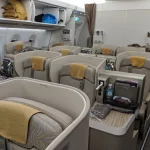
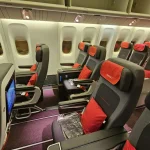
International travel with children in 2026 is easier than it was a decade ago, but it is still complex. Aircraft cabins are more efficient, not necessarily more spacious. Airline policies are clearer, but they vary widely by carrier and route. What works perfectly for one family can fail badly for another if expectations are not aligned with reality.
The key difference in 2026 is planning depth. Successful family travel now depends on understanding seating layouts, basic rules, age-based policies, and how airlines actually enforce them on long-haul flights. This guide breaks down what parents need to know before booking, boarding, and settling in for international travel with kids.
What has changed for families flying internationally in 2026
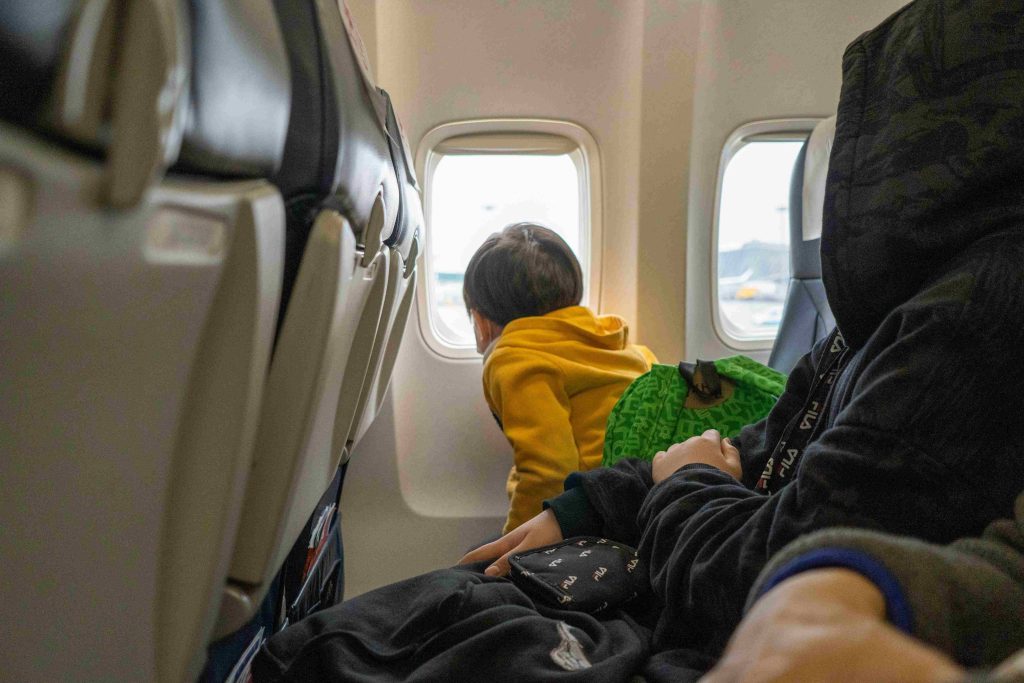
Airlines in 2026 are focused on efficiency. Cabins are optimized for fuel savings and capacity. This means slimmer seats, tighter aisles, and fewer “flexible” spaces for families to spread out. At the same time, airlines are more transparent about child-related policies, especially around bassinets, seat selection, and infant fares.
Ultra-long-haul routes are more common, which changes how children experience flights. A toddler on a 9-hour flight is very different from a toddler on a 17-hour nonstop route. Fatigue, sleep timing, and movement matter more than ever.
These changes are part of a broader evolution in aviation, tied to aircraft design and operational strategy, which we explain in the future of air travel in 2026.
Seating strategies when flying internationally with kids
Seating is the single most important decision parents make after choosing the flight. The “best” seat depends on your child’s age, size, and sleep habits, not just proximity to the aisle or window.
For families with infants, bulkhead seats are usually required for bassinet use. These seats offer more legroom but often have fixed armrests and limited under-seat storage. They can also be closer to galleys, which increases noise and foot traffic.
For families with toddlers and young children, standard economy rows in the middle of the cabin often work better. They are quieter, experience less queueing, and allow kids to sleep with fewer disruptions. A window-and-middle combo gives a child a visual anchor and limits aisle disturbances.
For families with older children, aisle access becomes more important. Kids need to stretch, stand, and go to the bathroom independently. On long-haul flights, aisle seats reduce stress for both parents and children.
Bassinet seats: what parents need to know
Bassinets are designed for infants who are not yet sitting independently. They attach to bulkhead walls and are provided on long-haul international flights by many airlines. However, availability is limited and rules are strict.
Most airlines restrict bassinets to babies under a specific weight, usually between 9 and 11 kilograms. Length limits also apply. Even if your baby qualifies by age, size can disqualify them. Bassinets must be requested in advance and are never guaranteed until confirmed by the airline.
Another important detail is usage timing. During turbulence, takeoff, and landing, babies must be removed from the bassinet and held or secured. This surprises many first-time parents. Bassinets are a sleep aid, not a safety seat.
Airline policies for infants, toddlers, and children
Airline policies in 2026 are more standardized in language but still vary in practice. Infants under two years can usually travel as lap infants on international flights, often at 10% of the adult fare plus taxes. However, this does not include a seat or additional baggage in many cases.
Some airlines strongly recommend or incentivize purchasing a separate seat for infants, especially on long-haul routes. Using an approved child restraint system in a dedicated seat is often safer and more comfortable for both child and parent.
Policies around strollers, car seats, and carry-on allowances differ by airline. This is where airline-specific reviews become useful. For example, understanding service flow and cabin layout in reviews like the KLM Airlines review can help parents anticipate how family-friendly a long-haul experience actually feels.
Choosing the right cabin class when traveling with kids
Economy class is workable for families, but it requires planning. Slimline seats reduce space for play and sleep positioning. On flights over 10 hours, fatigue builds quickly for children.
Premium economy has become a popular middle ground in 2026. Seats are wider, legroom is better, and armrests are more forgiving. For families with toddlers or larger children, this extra space often makes a noticeable difference in comfort and stress levels.
Business class can be transformative for long-haul family travel, but it is not automatically kid-friendly. Some lie-flat seats have narrow footwells and limited shared space. Reviews that analyze seat design and service rhythm, such as the United Airlines business class review, help parents decide whether the upgrade actually suits their family.
Managing sleep, fatigue, and movement for kids
Children experience long flights differently than adults. They struggle more with boredom and less with structured stillness. Expecting them to sit quietly for long periods is unrealistic on international routes.
Plan movement into the flight. Walks down the aisle, stretching near galleys, and simple standing breaks help regulate mood and energy. This is especially important on ultra-long-haul routes.
Sleep should align roughly with destination night when possible, but flexibility matters. Forcing sleep can backfire. Creating a calm, dark environment with familiar items often works better than strict schedules.
Food, snacks, and special meals
Airline child meals exist, but quality and timing vary. They are often served earlier than adult meals and may not align with your child’s hunger or sleep needs.
Bringing familiar snacks is essential. Choose items that are filling, low-mess, and familiar to your child. Avoid relying entirely on airline food, especially on long routes.
For infants, confirm policies around formula, breast milk, and baby food. Most airlines allow reasonable quantities, but security screening rules vary by country. Official guidance from sources like the CDC’s travel health resources provides useful context on traveling with children and food safety.
Documents and policies parents often overlook
International travel with children requires more than passports. Some countries require additional documentation if a child is traveling with one parent or with guardians.
Airlines may ask for proof of age for lap infants. Immigration officers may ask questions about custody or consent. Carrying a notarized consent letter is often recommended when only one parent is traveling.
These checks are routine, but being unprepared can cause delays and stress at borders.
Common mistakes parents make when booking
Many parents wait too long to select seats, especially bassinet positions. By the time they log in, options are gone.
Others assume policies are the same across airlines. They are not. What one airline allows for free, another may charge for or restrict.
The biggest mistake is underestimating fatigue. Children handle disruption poorly when exhausted. Planning seating, sleep, and movement reduces meltdowns more effectively than entertainment alone.
FAQs: traveling internationally with kids in 2026
Do airlines still offer bassinets on international flights?
Yes, many do, but availability is limited and subject to weight and size restrictions.
Is it better to buy a seat for an infant on long-haul flights?
Often yes. A separate seat with an approved child restraint can significantly improve comfort and safety.
Are bulkhead seats always best for families?
Not always. They work well for bassinets but can be noisy and restrictive for families with older children.
Is premium economy worth it when flying with kids?
For many families, yes. Extra space and comfort reduce fatigue on long flights.
Planning international travel with kids in 2026? For airline reviews, family-friendly seating tips, and real-world flight planning guides, explore the latest resources at talktravel and travel with more confidence.