
Introduction
Standard economy seats now measure just 30-32 inches of pitch on most U.S. airlines. Meanwhile, extra legroom seats cost anywhere from $20 to $280 per flight segment in 2026. The average passenger faces a simple question: does 3-6 extra inches justify spending hundreds more per round trip?
The answer depends on measurable factors like flight duration, your height, and exact seat pitch differences. This guide breaks down current pricing from United, American, and Delta, compares actual seat measurements, and shows you when the math makes sense for your wallet.
What Are Extra Legroom Seats and How They’re Measured
Extra legroom seats deliver more space between seat rows through increased “seat pitch.” Seat pitch measures the distance from one point on your seat to the same point on the seat ahead in inches.
Standard economy averages 30-32 inches across major U.S. carriers in 2026. Spirit and Frontier squeeze passengers into 28 inches. JetBlue leads with 32.3 inches in regular economy. The industry average has declined from 35 inches in the 1990s to 31 inches today according to data from SeatGuru.
Three main extra legroom categories exist:
Economy Plus Products (United Economy Plus, American Main Cabin Extra, Delta Comfort Plus) These seats add 3-6 inches of pitch. You get 34-39 inches total depending on aircraft type. The seats themselves match standard economy width at 17-18 inches. Only the front-to-back spacing increases.
Exit Row Seats Over-wing exits measure 36-38 inches of pitch. Full-sized door exits stretch to 39 inches. These beat branded products by 1-4 inches while often costing less when sold separately.
Premium Economy Cabins True premium economy like Delta Premium Select or United Premium Plus offers 38-42 inches in a separate cabin. These cost significantly more and include wider seats, not just extra legroom.
The difference between 30 inches and 36 inches means your knees won’t touch the seat ahead. Six extra inches lets you cross your legs and stretch without contorting your body. For passengers over 6 feet tall, those inches become essential rather than optional.
Exact Seat Pitch Measurements by Airline in 2026
| Airline | Standard Economy | Extra Legroom Product | Seat Pitch | Exit Rows |
| United | 30-32″ | Economy Plus | 34-38″ | 36-38″ |
| American | 31-32″ | Main Cabin Extra | 34-39″ | 36-39″ |
| Delta | 31-32″ | Comfort Plus | 34″ | 36-38″ |
| Southwest | 31-32″ | New Extra Legroom (2026) | 34″ | 36″ |
| JetBlue | 32.3″ | Even More Space | 38″ | 38-39″ |
| Alaska | 31-32″ | Premium Class | 35″ | 36-38″ |
| Spirit | 28″ | Big Front Seat | 36″ | 36″ |
| Frontier | 28-30″ | Stretch Seating | 36″ | 36″ |
Southwest will launch assigned seating with extra legroom options in 2026. They’re reducing standard pitch from 32 inches to 31 inches on refitted aircraft while adding 34-inch premium rows. This marks a significant change from their longtime one-class cabin according to their 2025 fleet renewal announcements.
The measurements show JetBlue delivers the most generous standard economy at 32.3 inches. Their Even More Space product at 38 inches matches exit row dimensions on other carriers. Budget airlines Spirit and Frontier offer just 28-30 inches standard but their upgraded seats at 36 inches provide good value when priced competitively.
Seat width remains 17-18 inches across all economy categories. Width doesn’t increase with extra legroom products. Only premium economy cabins offer wider seats at 18-19 inches according to specifications from aircraft manufacturers.
Current Pricing: What Airlines Charge for Extra Legroom in 2026
United Economy Plus: Short flights $40-$60, medium routes $70-$95, cross-country $90-$120. International to Europe runs $150-$200 per segment. Annual subscription costs $1,100 domestic or $1,300 globally covering passengers plus 8 companions.
American Main Cabin Extra: Short routes $20-$30, medium distance $67-$81, transcontinental $75-$95. International to Europe $81-$133. Basic Economy passengers pay 15-20% more for identical seats.
Delta Comfort Plus: Highest rates among carriers. Domestic short-haul $50-$150, transcontinental reaches $280. International to Europe $99-$150. Includes complimentary beverages on flights over 251 miles.
Exit Rows: Separate pricing $40-$75 depending on route. Budget carriers Spirit and Frontier charge $30-$50 premiums. American offers the best short-haul value at $20-$30.
United Economy Plus: Features Beyond Legroom
United Economy Plus delivers 34-38 inches of pitch. Narrowbody aircraft offer 35 inches while widebody planes stretch to 38 inches.
Key Benefits:
Forward Cabin Placement: Rows 7-20 on narrowbody aircraft position you closer to front door for faster deplaning.
Dedicated Overhead Bin Space: Reserved bins help secure space on full flights though enforcement varies.
No Priority Boarding: Unlike competitors, United doesn’t include early boarding. You board with a standard economy group unless holding elite status.
Elite status members receive complimentary access. Gold, Platinum, and 1K select at booking. Silver gains access 24 hours before departure. Understanding airline loyalty programs in 2026 helps maximize free access through status.
American Airlines Main Cabin Extra: Full Breakdown
American’s Main Cabin Extra offers 34-39 inches of pitch compared to 31-32 inches standard. Seats fill forward economy rows and exit locations.
Included Benefits
Priority Boarding Group 5 beats Groups 6-7 for regular economy providing 10-15 minute advantage for overhead bin space.
Reserved overhead bins provide storage guarantees with varying crew enforcement.
Complimentary alcoholic beverages on domestic flights save $8-$12 per drink. Two drinks covers $16-$24 of upgrade cost.
Pricing and Payment
Short domestic routes start at $20 per segment. Medium routes show $67-$81. Transcontinental costs $75-$95. International destinations add $81-$133.
AAdvantage members pay with miles at approximately 100 miles per dollar. Basic Economy passengers face 15-20% higher pricing for identical seats.
Exit Row Requirements
Exit rows require meeting FAA safety requirements per 14 CFR § 121.585. Minimum age 15, speak English, physically capable of assisting. No children under 15, pets, or seatbelt extenders allowed.
Value calculation: $30 upgrade on 2-hour flight costs $15 per hour. Most travelers find a sweet spot on 3-5 hour flights where comfort matters but costs stay reasonable.
Comparing American Airlines changes in 2026 helps understand new policies affecting availability and pricing.
Delta Comfort Plus: The Premium-Priced Option
Delta markets Comfort Plus as enhanced economy with 34 inches of pitch compared to 31-32 inches standard. The 2-3 inch increase doesn’t reflect premium pricing compared to competitors.
Service Enhancements
Priority boarding through Zone 3 places Comfort Plus ahead of the main cabin. Dedicated overhead bin space reserves storage for Comfort Plus passengers with varying enforcement.
Premium snacks, Starbucks coffee, beer, and wine come complimentary on flights over 251 miles. Spirits join on routes exceeding 500 miles. Amenity kits with pillows and blankets appear on long-haul international flights.
Pricing and Value
Domestic short-haul shows $50-$150 upcharges. Tampa to Atlanta at $120 for under 2 hours demonstrates premium positioning. New York to Los Angeles reaches $280 extra for 5.5 hours.
International routes add $99-$150 per person each way to Europe. This pricing places Delta 30-50% higher than American or United for comparable legroom. The 2-3 inch pitch advantage doesn’t match the premium pricing.
Missing Benefits
Checked bags still cost $35 for first bag on domestic flights unless you hold elite status or Delta credit card. The product sells legroom and boarding priority without comprehensive upgrade value.
Business travelers with corporate policies might justify Comfort Plus. Most price-conscious flyers find better value with American or United for similar legroom at significantly lower costs.
Exit Row Seats: Maximum Space With Restrictions
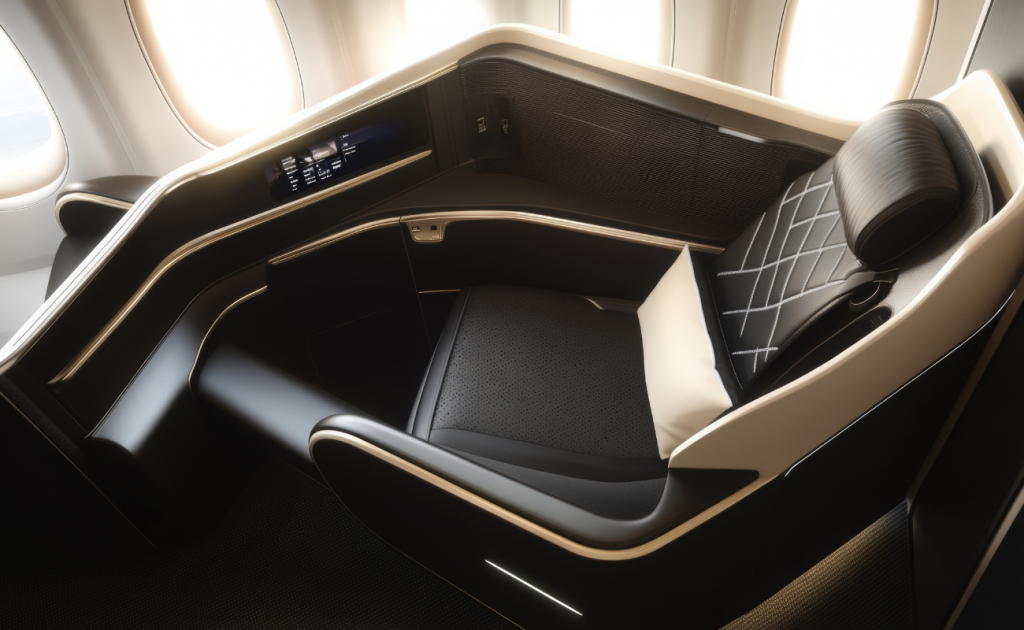
Exit row seats deliver 36-39 inches of pitch without paying for branded premium products. Over-wing exits measure 36 inches while full-sized door exits stretch to 38-39 inches exceeding Economy Plus and Main Cabin Extra ranges.
Federal Safety Requirements
The FAA mandates specific criteria under 14 CFR § 121.585:
Age Requirements:
- Minimum 15 years old (some airlines require 18)
- No passengers with children under 15
- No unaccompanied minors
Physical Capabilities:
- Lift and move exit doors weighing up to 60 pounds
- Operate exit mechanisms with sufficient strength and dexterity
- Reach, push, pull, and rotate exit handles
Communication Requirements:
- Understand English verbal instructions
- Read safety information cards
- Give verbal confirmation of willingness to assist
Disqualifying Conditions:
- Traveling with pets in cabin
- Requiring seatbelt extenders
- Mobility impairments
- Visual or hearing limitations beyond correctable aids
Flight attendants verify compliance before departure and can relocate passengers who don’t meet requirements.
Seating Configuration Trade-offs: Immovable Armrests: Contain tray tables and entertainment screens reducing effective seat width for larger passengers.
Restricted Recline: Front-row exit seats often don’t recline to avoid blocking exit paths. Rear exit row seats typically recline normally.
Temperature Variations: Exit row seats sit near doors where cold transfers through aircraft skin at cruise altitude.
No Under-Seat Storage: Front-row exit seats lack under-seat storage. All personal items must fit in overhead bins during takeoff and landing.
Pricing and Value: Airlines price exit rows inconsistently. Some bundle them into premium products. Others sell separately at $40-$75 premium. United charges $159 for exit rows on medium routes. Budget carriers Spirit and Frontier sell exit rows at $30-$50 premiums delivering 36 inches at competitive total prices.
Understanding best seats on Boeing 737 aircraft helps identify optimal exit row locations.
Complete Airline Comparison: Pricing and Features
| Feature | United Economy Plus | American Main Cabin Extra | Delta Comfort Plus | Exit Rows |
| Seat Pitch | 34-38″ | 34-39″ | 34″ | 36-39″ |
| Short Flight | $70-$95 | $20-$30 | $50-$150 | $40-$75 |
| Long Flight | $150-$200 | $81-$133 | $100-$300 | $75-$159 |
| Priority Boarding | No | Yes (Group 5) | Yes (Zone 3) | Varies |
| Free Alcohol | No | Yes | Yes (251+ mi) | No |
| Overhead Bins | Reserved | Reserved | Reserved | First-come |
American offers best value on short routes at $20-$30. Delta charges double or triple for comparable space. United falls in the middle at $70-$95. Exit rows provide maximum legroom per dollar when available separately.
Elite status provides complimentary access making pricing discussions irrelevant for frequent flyers. Free access after 5-6 paid upgrades drives many toward top airline loyalty programs.
When Extra Legroom Worth the Money: Data-Driven Decision Matrix
Flight duration is the primary decision factor. Medical studies show sitting in cramped positions for over 4 hours increases DVT risk by 26%. Airlines collected $1.2 billion from extra legroom sales in 2024 growing 15-18% annually.
Flight Duration Guidelines
Under 90 Minutes: Rarely justified. Paying $40-$75 costs $27-$50 per hour. Save money unless exceeding 6’4″ in height.
90-180 Minutes: Sweet spot for value. American’s $20-$30 pricing costs $7-$20 per hour representing reasonable expense. This duration represents 42% of U.S. domestic travel.
3-5 Hours: Strong value for most passengers. The $70-$95 range costs $14-$19 per hour. Business travelers report 35% higher work output with adequate space.
Over 5 Hours: Nearly essential for passengers over 5’10”. The $150-$200 range breaks down to $19-$25 per hour on 8-hour flights.
Height-Based Recommendations
Under 5’6″ (28% of travelers): Standard economy works for most flights. Women average 5’4″ in U.S. making them the primary demographic that can skip upgrades.
5’6″ to 6’0″ (65% of travelers): Benefits appear on flights over 2-3 hours. Use cost-per-hour calculations strictly. Under $20 per hour makes upgrades worthwhile.
6’0″ to 6’4″ (15% of travelers): Strongly consider upgrades on flights over 2 hours. Circulation concerns increase significantly.
Over 6’4″ (3% of travelers): Extra legroom becomes essential on any flight over 90 minutes. ADA doesn’t recognize height as a protected category.
Medical Conditions
Arthritis/Joint Issues, Circulation Problems/DVT Risk, Recent Surgery/Injuries, Pregnancy Beyond Second Trimester all justify upgrades regardless of flight length or cost.
Budget Impact
$280 Delta (NYC-LAX): Covers 2-3 nights accommodation or 56 hours in budget hostel. Redirect funds unless physical limitations require space.
$70-$95 Mid-Range: Represents one nice dinner for two. Reasonable for 5+ hour flights.
$20-$30 American Short-Haul: Costs less than airport lunch. Almost always worthwhile.
Annual Projections
Light Travelers (1-2 trips): $40-$190 annually. Minimal impact. Moderate Travelers (4-6 trips): $280-$570 annually. Justifies elite status consideration. Frequent Travelers (10+ trips): $700-$1,900 annually. Strong ROI pursuing status.
Decision Formula
Calculate: (Upgrade Cost) ÷ (Flight Hours) = Cost Per Hour
Benchmarks:
- Under $15/hour: Strong value
- $15-$25/hour: Reasonable for 3+ hours
- $25-$40/hour: Only for tall passengers or medical needs
- Over $40/hour: Poor value except extreme circumstances
How to Get Extra Legroom Without Paying Full Price
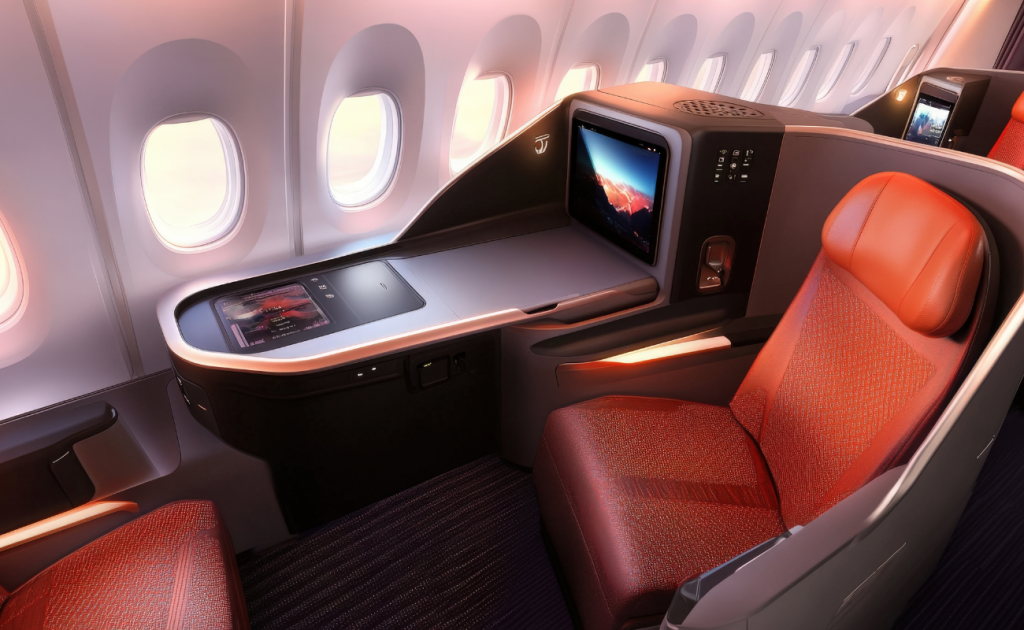
Elite Status: United Silver gets Economy Plus 24 hours before departure. Gold+ receives complimentary access at booking. American Gold gets complimentary Main Cabin Extra. Delta Silver Medallion gets Comfort Plus when available. Status requires 25,000-75,000 miles or 30-75 segments annually.
Credit Cards: Chase United Explorer ($95): Free checked bags, expanded Economy Plus. Citi AAdvantage Platinum ($99): Free checked bag, preferred boarding. Delta SkyMiles Gold ($99): Free checked bag, priority boarding.
Booking Strategies: Check 24 hours before departure for released seats. Airport gate agents sometimes upgrade on full flights. Off-peak Tuesday-Thursday travel shows better availability.
Alternatives: Book exit rows outside premium products at $40-$75. Split reservations with extra legroom on longer legs. Use miles at 100 miles per dollar. Check alternate airports for different pricing.
Hidden Costs and Limitations
Basic Economy Penalties: Airlines charge 15-20% more for extra legroom on Basic Economy fares. Basic Economy passengers still board in originally assigned groups despite purchasing extra legroom.
Availability Issues: Extra legroom seats often unavailable until specific timeframes before departure. Families struggle with exit row restrictions prohibiting children under 15.
Equipment Changes: Airlines frequently swap aircraft. Your purchased extra legroom seat may not exist on replacement planes. International flights face higher equipment change rates.
Physical Drawbacks: Immovable armrests reduce effective seat width. Reduced recline on front-row exit seats. Temperature variations near exit doors create cold spots.
United’s No Priority Boarding: United Economy Plus passengers board with standard economy unlike American and Delta. This creates frustration when paying $90-$120 but gate-checking bags.
Change Policies: Extra legroom purchases typically non-refundable after 24 hours. Delta Comfort Plus includes free changes adding value for uncertain itineraries.
Real Passenger Experiences
Short-Haul (Under 3 Hours): American Main Cabin Extra rates highly under $30. “The free beer covers half the cost and I got my bag in the bin.” United Economy Plus gets mixed reviews at $60-$80 without priority boarding. Delta Comfort Plus faces criticism charging $120 for 90 minutes.
Medium-Haul (3-5 Hours): Transcontinental flights show higher satisfaction. Passengers over 5’10” consistently rate upgrades worthwhile. “I’m 6’2″ and the $85 was the best money I spent.”
Long-Haul (Over 5 Hours): International passengers over 6 feet almost universally recommend extra legroom. “Eight hours to London in standard economy would have destroyed me.” Travelers under 5’8″ report diminishing returns.
Exit Rows: Passengers praise extra space but mention drawbacks. Temperature issues appear in 15-20% of reviews. “Amazing legroom but I froze next to that door.” Immovable armrests frustrate larger passengers. Front-row seats without recline noted as problematic.
Expert Tips: Maximizing Value
Best Routes: American dominates short-haul value at $20-$30. United delivers best value on international routes to Europe/Asia at $150-$175. Exit rows provide maximum value when sold separately.
Aircraft Strategies: Boeing 737 exit rows 16-17 offer 36-38 inches. Airbus A321 exit rows 11-12 provide 38-39 inches. Boeing 787 Dreamliner premium economy offers 38 inches across all rows.
Booking Timing: Purchase during initial booking for lowest prices. Check seat maps 24 hours before departure for newly released seats. Monitor for sales offering 50% off.
Last-Minute Upgrades: Gate agents sometimes upgrade passengers on full flights. Download airline apps for upgrade offers 6-12 hours before departure. Monitor for oversold situations offering incentives.
Airlines Reducing and Adding Legroom in 2026
Southwest Airlines: Transitions to assigned seating reducing standard economy from 32 to 31 inches while creating 34-inch extra legroom seats (20% of cabin). Fleet refit starts Q1 2026 completing by Q4 2026.
Qantas: Introduces Economy Plus in February 2026 offering 34-36 inches on domestic and short-haul international routes. High-tier frequent flyers receive complimentary access.
Budget Carriers: Spirit and Frontier maintain 28-inch standard pitch while expanding 36-inch products. Industry data shows 15-20% of budget passengers purchase these upgrades.
Legacy Carriers: United, American, and Delta maintain current configurations with no announced changes for 2026.
Industry Trends: Seat pitch declined from 35 inches (1990s) to 31 inches average (2026). Analysts predict further compression to 30 inches by 2028-2029. Every major carrier now offers extra legroom products.
Conclusion: Making Your Extra Legroom Decision
Extra legroom delivers measurable comfort improvements but value depends on individual circumstances.
Flights under 90 minutes rarely justify expense unless exceeding 6’4″. The 2-5 hour range represents optimal value with American’s $20-$30 pricing costing just $7-$15 per hour. International flights over 5 hours make extra legroom nearly essential for passengers over 5’10”.
Height determines value. Passengers under 5’6″ report minimal benefit. The 5’6″ to 6’0″ range sees clear improvements on flights over 3 hours. Anyone over 6’2″ should prioritize extra legroom on flights exceeding 2 hours.
American delivers the best short-haul value at $20-$30. United offers mid-range pricing around $70-$95. Delta charges premium rates of $100-$300 that rarely match the 2-3 inches gained.
Exit rows provide maximum legroom per dollar at $40-$75. Status members and credit card holders gain the most value through complimentary access.
Calculate cost per hour: Under $15/hour represents strong value. $15-$25/hour works for flights over 3 hours. Above $25/hour rarely makes sense except extreme height or medical conditions.
Upgrade strategically on long-haul flights where it matters. Fly standard economy on short hops. This approach maximizes comfort while minimizing unnecessary spending.
Remember that other hidden airline fees in 2026 also impact trip costs.
Frequently Asked Questions About Extra Legroom Seats
How much extra legroom do you actually get with Economy Plus or Main Cabin Extra?
Economy Plus, Main Cabin Extra, and similar products add 3-6 inches of seat pitch beyond standard economy. United Economy Plus measures 34-38 inches compared to 30-32 inch standard seats. American Main Cabin Extra ranges from 34-39 inches. Delta Comfort Plus offers 34 inches versus their 31-32 inch standard economy. The exact increase varies by aircraft type and specific row location within the cabin.
Are exit row seats worth the extra cost?
Exit row seats deliver the most legroom at 36-39 inches of pitch and often cost less than branded extra legroom products when sold separately. They’re worth it on flights over 3 hours for passengers over 5’10”. Trade-offs include immovable armrests, potential temperature variations near doors, restricted recline on some rows, and strict FAA requirements including minimum age of 15 and physical ability to assist in emergencies. Couples benefit from two-seat exit row configurations on certain aircraft.
Can you get extra legroom seats for free?
Yes, through four primary methods. Elite status members receive complimentary extra legroom on their airline. United Silver and above, American Gold and above, and Delta Silver Medallion and above qualify. Airlines sometimes release unsold extra legroom seats at no charge 24 hours before departure. Gate agents occasionally upgrade passengers when operational needs require seat moves on full flights. Some credit cards include companion certificates with extra legroom seating.
What’s the difference between Premium Economy and Economy Plus?
Premium Economy like Delta Premium Select or United Premium Plus features a separate cabin with wider seats (18-19 inches vs 17-18 inches), enhanced meals, larger entertainment screens, amenity kits, and typically 38-42 inches of pitch. It costs 130-145% more than standard economy. Economy Plus, Main Cabin Extra, and Comfort Plus remain in the main economy cabin with same seat width, standard economy service, and only 34-38 inches of pitch. They cost $20-$280 per segment depending on route and carrier.
Do you get priority boarding with extra legroom seats?
Boarding priority varies by airline and product. American Main Cabin Extra includes Group 5 priority boarding. Delta Comfort Plus provides Zone 3 boarding. United Economy Plus does not include priority boarding and passengers board with their standard economy group unless holding elite status. Exit rows sold separately typically don’t include priority boarding. The boarding benefit adds significant value on full flights where overhead bin space fills quickly.
How tall do you need to be to benefit from extra legroom seats?
Passengers under 5’6″ report minimal benefit from extra legroom seats according to satisfaction surveys. The 5’6″ to 6’0″ range sees clear comfort improvements on flights over 2-3 hours. Passengers over 6’0″ should strongly consider extra legroom on any flight exceeding 2 hours. Anyone over 6’4″ needs extra legroom for basic physical comfort on flights over 90 minutes. Height directly correlates with value received from extra legroom investments.
Explore more travel tips at Talk Travel to make smarter flight decisions.