What Are Third Places? How the Internet Can (and Can’t) Deliver Belonging
Updated

Share
February 18, 2026 · 12 min read
You know the feeling — a café where the barista knows your order, a pub where you can show up alone and know there will be someone to talk to. Sociologist Ray Oldenburg had a name for these spaces. (If this sounds like a fantasy, you may have been on the internet too long.) In his 1989 book The Great Good Place, he called them “third places” — the informal, neutral public gathering spots that exist outside home (the “first place”) and work (the “second place”). Pubs, cafés, barbershops, beer gardens, bowling alleys, library reading rooms — these were the anchors of community life, spaces where conversation was the main activity, status hierarchies dissolved, and the mood was playful. In a true third place “it is where you relax in public, where you encounter familiar faces and make new acquaintances.” At home you’re a parent or a spouse. At work you’re a job title. At the third place you’re just you — and you’re chosen, not obligated. People show up because they want to, not because they have to.
As these gathering spots disappeared, Robert Putnam diagnosed in Bowling Alone , so did the social capital that held communities together. Americans are increasingly “bowling alone” — participating individually rather than in leagues or clubs — and the consequences are measurable: rising loneliness, weaker civic life, and fraying trust. Only 11 years earlier, Oldenburg painted a positive vision; Putnam gave us the sobering modern realities, just as the digital transformation was about to take-off in Y2K. Twenty-five years later, Netflix’s documentary Join or Die revisited Putnam’s thesis and found the picture even starker — featuring the Surgeon General, Hillary Clinton, David Brooks, and community builders across the country, all grappling with a loneliness epidemic.
Airbnb’s founder Brian Chesky described our era as “by some measures the loneliest time in human history” and argues that technology should be redesigned to bring people back to each other rather than isolate them further–of course Silicon Valley wants to put a product roadmap on Putnam’s thesis. The question Chesky is asking — how do you build belonging in the same magnitude that loneliness is growing?
Why Third Places Matter More
In the decades since, a generation of thinkers added additional weight to the third-place framework and haven’t dismissed it as nostalgia. Eric Klinenberg’s Palaces for the People reframed these spaces as “social infrastructure” — arguing that libraries, parks, and community centers are as critical to a functioning society as roads and bridges, and that their absence hits marginalized communities hardest. One of my favorite books in college, Thomas Berry’s The Great Work made a case — that every era has a defining civilizational task, and ours, in the age of Ai is rebuilding a sense of belonging to something beyond ourselves, from our neighborhoods to the planet itself.
Anyone who’s ever run a dead open mic or a meetup where nobody talks to each other knows this: space isn’t enough. The best gatherings don’t happen by accident — they require deliberate choices— intentional design. Priya Parker’s The Art of Gathering spells the obvious principle out— that who’s invited, what the purpose is, and how the room is structured matter more than the venue itself. It’s a deceptively hard problem — one that only gets harder when the room is digital and the guests are strangers.
Asking us the more uncomfortable question: why does unstructured socializing feel so hard now? Productivity culture has made us treat every hour as something to optimize — explains why even people who want third places struggle to actually use them and why Sheila Liming wrote Hanging Out . It also explains why so many online spaces built with good intentions quietly drift toward content and consumption — it’s easier to scroll than to linger and the real prize goes to those who contribute.
What continues to stoke conversations with my friends is how the U.S. Surgeon General’s 2023 advisory framed loneliness itself as a public-health crisis — not a metaphor, a clinical one, with mortality risks comparable to smoking. And Eli Pariser’s ongoing work on digital public infrastructure has been pushing a question most platforms would rather avoid: what if online spaces were designed as commons rather than as attention winning and anxiety systems? There is already overwhelming evidence: neighborhoods rich in third places show higher life satisfaction, better mental health outcomes, stronger civic participation, and measurable resilience during crises. What does building that look like online?
Third Place Examples You Can Visit
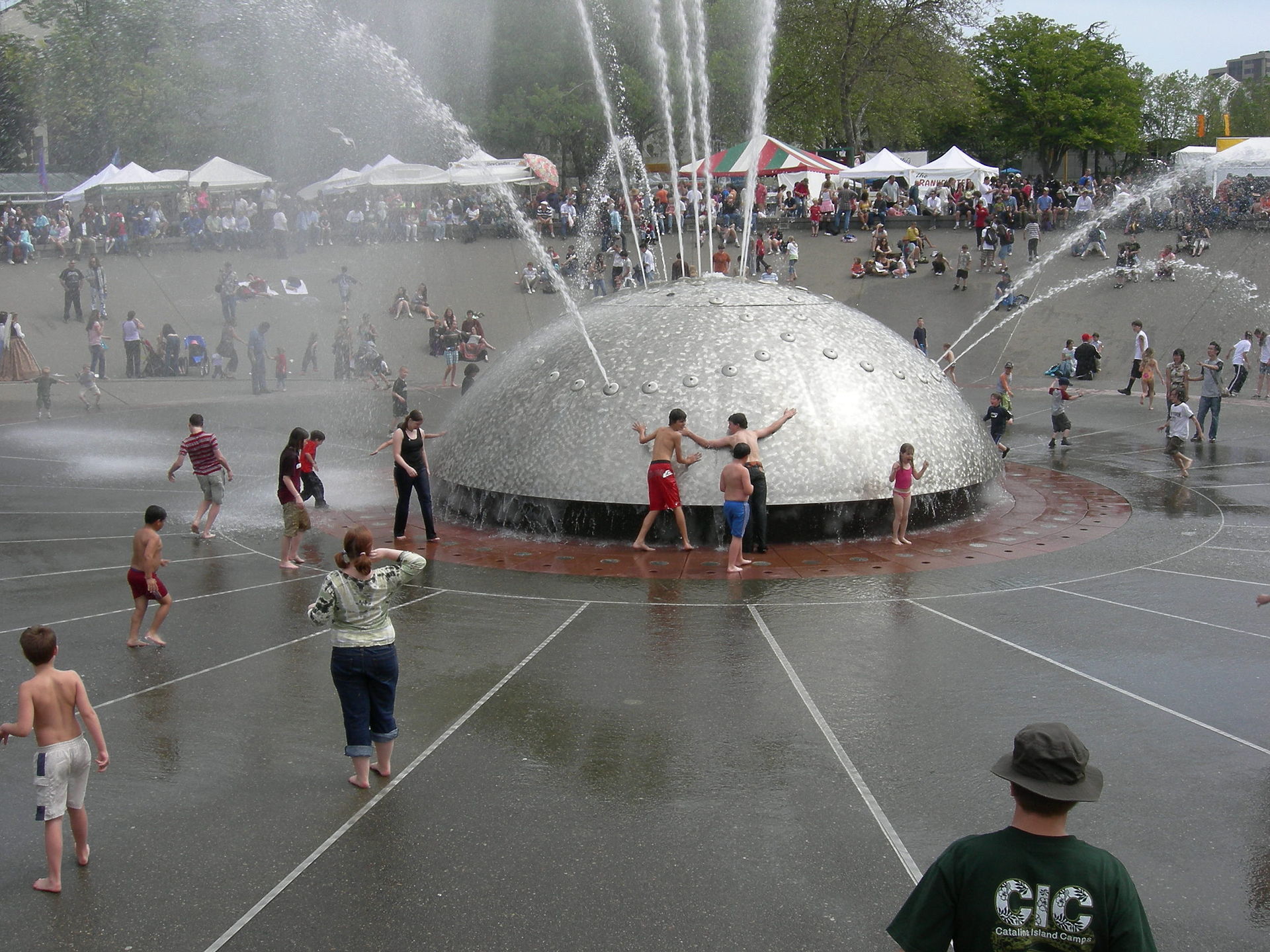
If you can’t tell I live in San Francisco but I am from Seattle, where Third Place Books took Oldenburg’s concept and made it their name and business model: a bookstore with communal tables, an attached pub, and a calendar of community events, all designed so people would linger rather than transact; I am dying for a bookstore with a pub in SF and appreciate the work at Manny’s. Crossroads Mall in Bellevue, once a conventional shopping center, evolved into something closer to a community living room — the food court doubles as a gathering place for immigrant families, chess players, teenagers and concert hall. These three spaces are not glamorous. They are doing exactly what Oldenburg described: providing neutral ground where regulars show up, conversation flows, and belonging accumulates if and when you put in the reps.
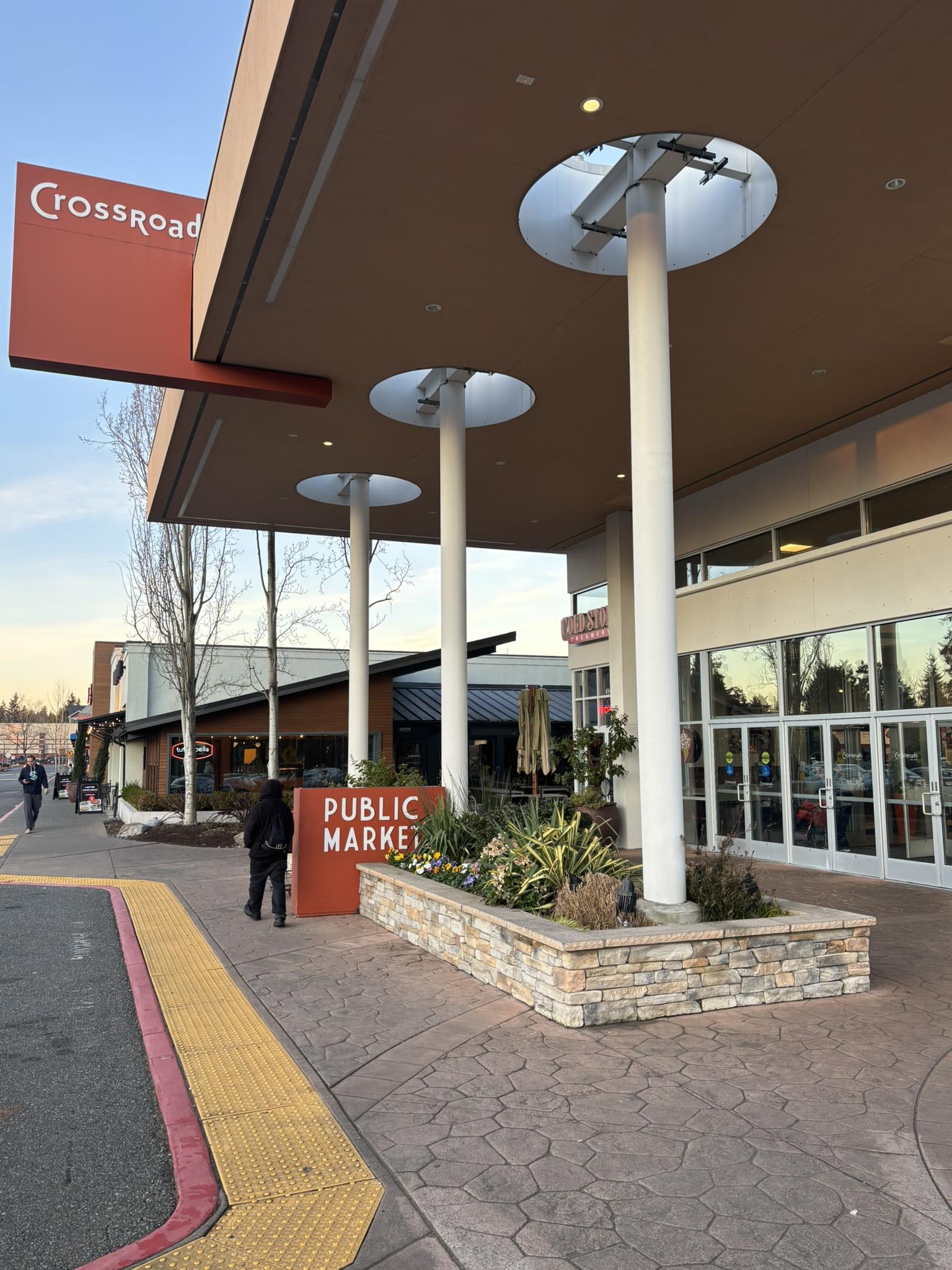
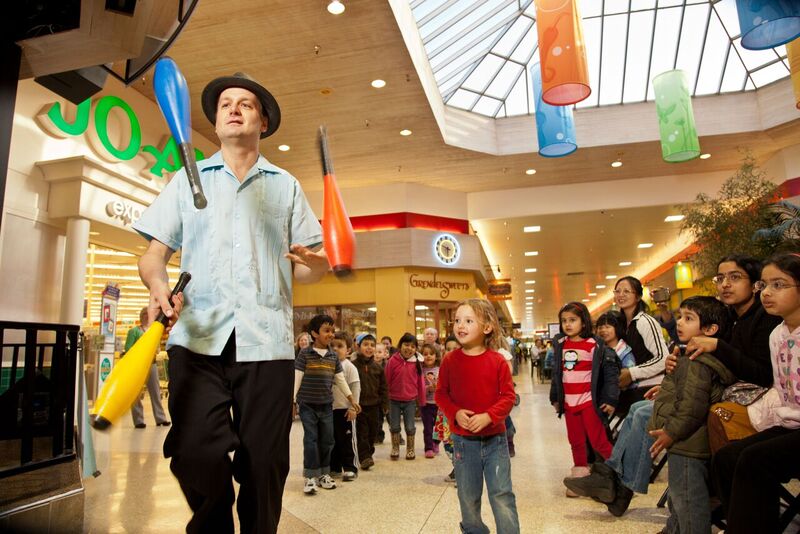
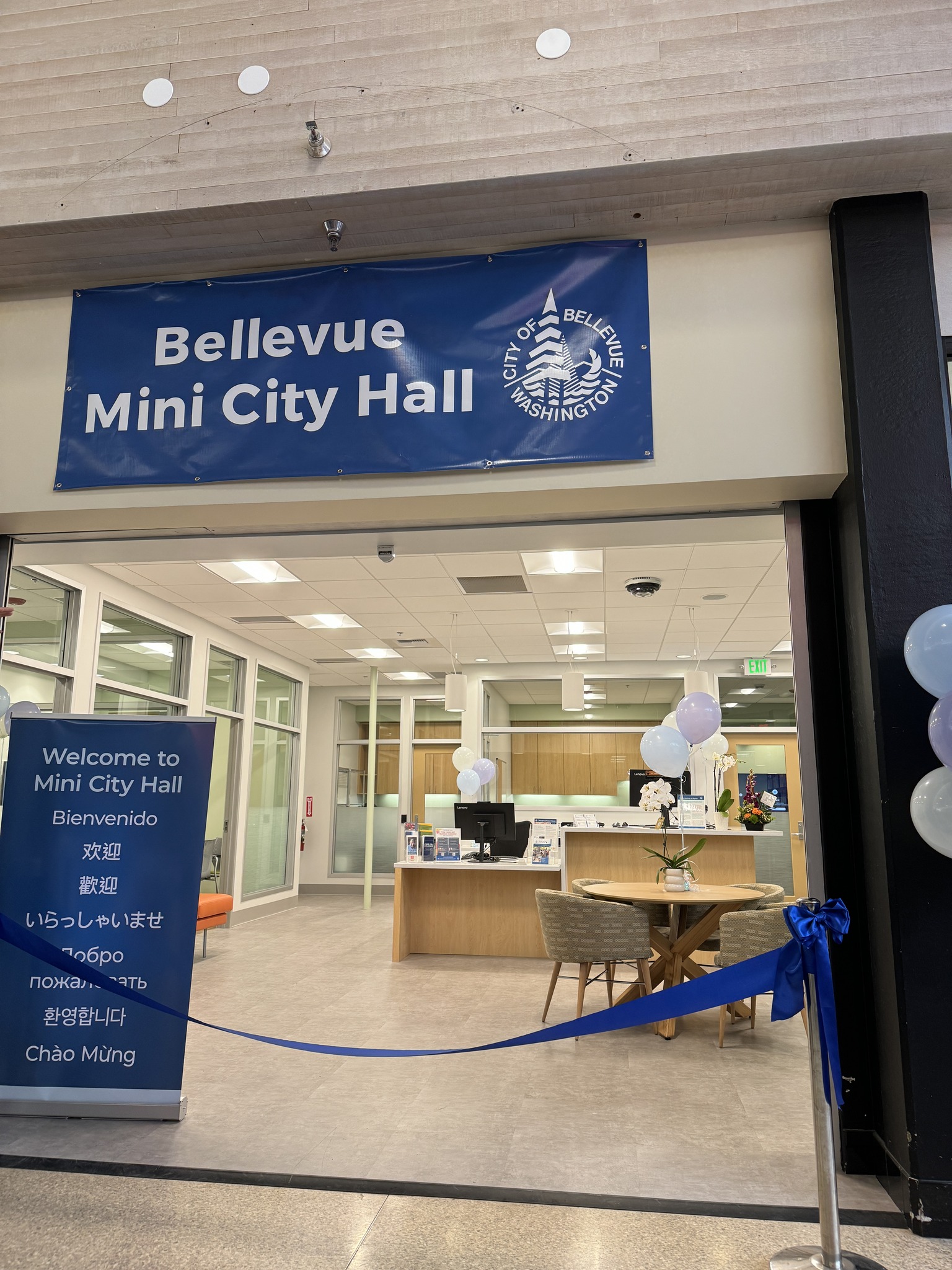
Third places don’t require fancy architecture or enormous budgets. They require the right conditions: accessibility, low pressure, a good reasons to return, and the feeling welcome when you do.
The Early Internet was a Digital Third Place for Outsiders
Long before social media turned the web into a broadcast medium, the early internet — roughly 1985 to the mid-2000s — functioned as a chaotic, glorious digital third place, especially for people who didn’t quite fit. BBS systems (I am embarrassed to tell you my sysop handles), Usenet newsgroups, IRC chat rooms, GeoCities neighborhoods, LiveJournal circles, and early forums were full of outsiders: geeks, gamers, niche hobbyists, kids in unsupportive towns, programmers desperate for human contact, artists, writers, and anyone the mainstream physical world hadn’t made room for. The more niche your interest then the more velocity, intensity, your online community could build.
Conversation was the main event. Regulars greeted you by handle. The mood was playful and experimental. You could lurk for months before posting; you could be as eccentric as you wanted. For many people, the early web wasn’t a substitute for community — it was the first real community they’d ever found. Unfortunately with scale things can get dilluted and when a platform becomes a broadcast channel, dilution of community becomes elimination as entertainment takes over.
What Third Places Still Deliver
Whether physical or digital, the virtues remain the same. Third places create belonging — the feeling of being recognized and welcome. They build bridging social capital across differences, connecting people who would otherwise never meet. They spark creativity through idle conversation and ambient exposure to unfamiliar ideas. They offer escape, support, and the quiet recognition that you exist and matter. In an era when home and work have swallowed more and more of our waking hours, they restore balance, joy, and resilience.
What Makes a Good Online Third Place
The best digital third places preserve Oldenburg’s core principles while adding genuinely new capabilities: 24/7 access, global reach, and geographic irrelevance. They feature persistent, drop-in spaces with recognizable regulars — avatars, usernames, roles that accumulate over time. They prioritize conversation-first design over feed-first design, a distinction that turns out to be decisive. They cultivate a playful, low-pressure atmosphere through banter, games, and shared rituals. They invest in strong, community-led moderation that keeps the space safe and inclusive. And they minimize performance metrics and algorithmic amplification — the machinery that turns participants into performers and show stealers.
The best of these spaces also do something subtler: they create the conditions for the right people to find each other. A great third place isn’t just open to everyone — it develops a sensibility, a texture, a shared language that draws compatible strangers. The neighborhood pub does this through location and habit. The best online spaces do it through culture, shared interests, and thoughtful design that surfaces compatibility rather than just proximity.
Well-run Discord servers, where voice channels can feel like a neighborhood bar at midnight. Thoughtful niche Reddit communities. Virtual worlds like Minecraft or VRChat servers. Independent forums and Fediverse instances. These are where real friendships still form, support flows, and people who don’t fit neatly into the mainstream find a place that feels like home.
What Makes a Bad One
Bad online spaces invert every virtue. Algorithmic feeds reward outrage and virality over dialogue. Likes and follower counts recreate the status hierarchies that third places are supposed to dissolve. Broadcast culture turns users into performers competing for attention. Unchecked toxicity drives people away. Heavy commercialization interrupts the flow of conversation with transactions.
The major social media feeds are the clearest cautionary tales — more stage than hangout, more billboard than café. They can accelerate the very disconnection that Putnam warned about, giving people the sensation of social participation while draining its substance.
Third Places in Motion: Why Travel Is the Ultimate Neutral Ground
There’s a reason travel dominates dinner party conversation. Where you’ve been, what you discovered there, where you’re going next — it’s the one subject that turns a table of strangers into a table of participants. Everyone has a story. And unlike most experiences, travel stays vivid — first impressions of a place can last decades.
And the places themselves have a particular power. There’s a whole category of spaces that function as third places specifically because everyone in them is displaced from their first and second places. Hostel common rooms are the classic example — strangers thrown together with no status markers, no obligations, conversation as the default activity. The expat bar in any foreign city. The communal table at a guesthouse. Airport lounges can work this way too. Rick Steves has built an entire philosophy around the idea that travel strips away the social armor people wear at home and creates the conditions for exactly the kind of open, low-stakes encounter Oldenburg described.
In a sense, travel itself is a third place. When you’re away from home and away from work, you’re literally outside both first and second place. You’re in a liminal state where the normal rules relax. That’s why strangers talk on trains but not on their daily commute. That’s why people form intense bonds on group trips that they’d never form at the office. The sociological conditions Oldenburg identified — communing and playfulness — travel produces them automatically.
The gap is that these encounters are almost entirely left to chance. There’s no infrastructure connecting compatible travelers the way a neighborhood pub connects compatible neighbors. The pub works because the same people keep showing up — the regulars dynamic, the slow accumulation of trust through repeated low-stakes contact. Travel third places are mostly one-shot: you meet someone extraordinary in a guesthouse in Amman or a café in Lisbon and never see them again.
There’s a reason for this that goes beyond sentimentality. One of the most sited scientific papers is Sociologist Mark Granovetter’s work in the 1970s, The Strength of Weak Ties, that second-degree connections — friends of friends, not your inner circle — are disproportionately responsible for new opportunities, new ideas, and new ways of seeing the world. Your closest friends tend to know what you know and go where you go. It’s the friend of a friend who tells you about the village in Portugal you’d never have found, or the neighborhood in Mexico City that isn’t in any guidebook. Third places have always been engines for these connections — the regular at the pub who introduces you to someone you’d never otherwise meet. Travel supercharges it, but only if there’s a way to surface those second-degree connections instead of leaving them to chance.
Which raises a question worth sitting with: what if you could build the regulars dynamic across borders? What if the thing that makes a great third place — recognized faces, shared sensibility, the feeling that you belong — could travel with you? What if the internet’s real gift to third places isn’t just making local communities more accessible, but making the entire world feel a little less like a collection of strangers? Are we crazy to think building this could lead to a more peaceful and interesting world?
Building Third Places: A Personal History
Most of what I’ve built professionally has been some version of a third place.
The most literal was Raw Space in Ellensburg, Washington — a 1889 Masonic temple that we converted into part music venue, cafe, comic book store, skateboard shop, part community center, part experiment in whether a great gathering place could take root in a small town ninety miles from the nearest city. The building had once housed exactly the kind of fraternal organization Putnam documented disappearing; we repurposed it into a new version of the same impulse, hosting everything from rock shows and comedy nights to civic events and rummage sales. My brilliant friend Dean Decrease made Oldenburg’s theory tangible — neutral ground where strangers became regulars
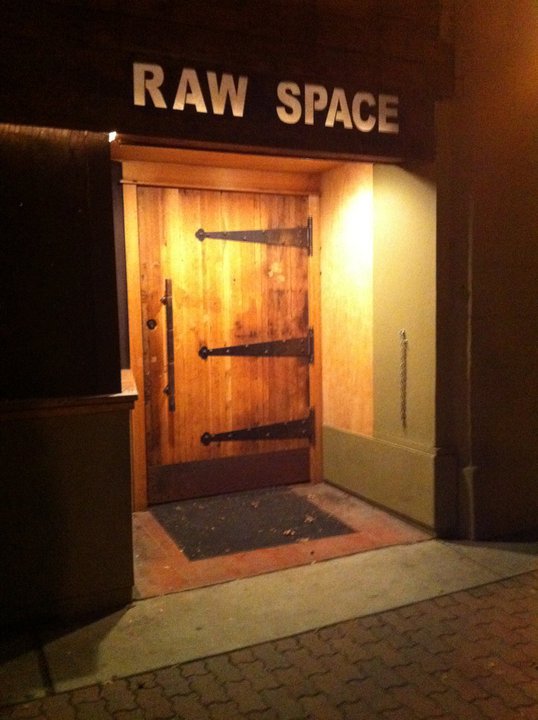
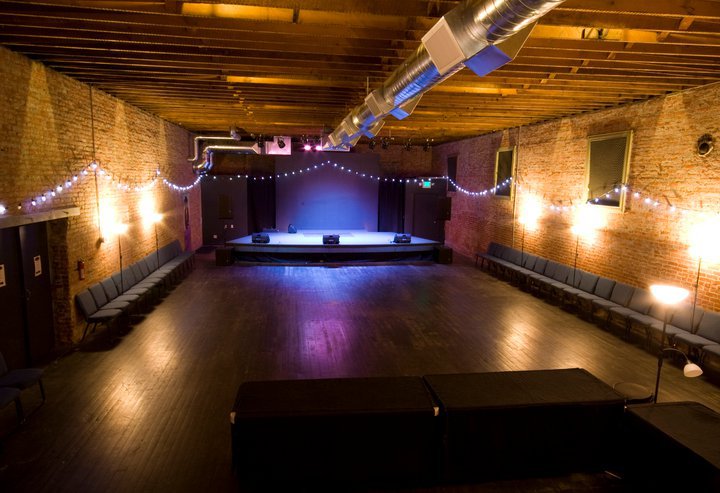
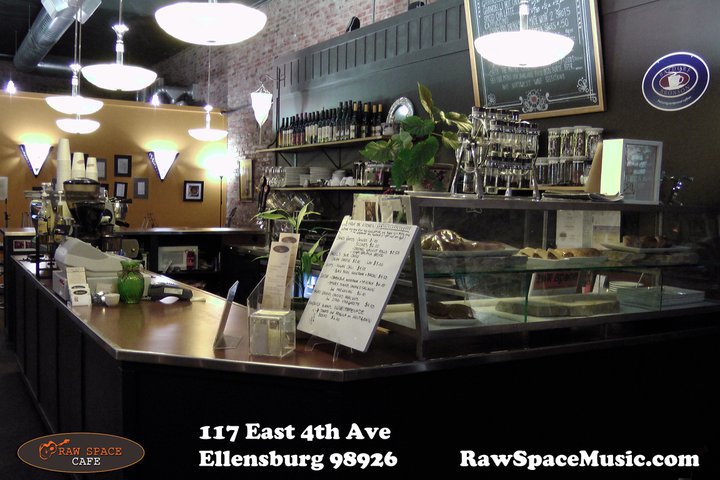
In Seattle, the pattern repeated in different forms. Friends of Seattle started as a party — literally, 300 people packed into a room to argue about tearing down the waterfront viaduct freeway — and grew into a civic entity trying to make the city work better for the people who actually lived in it. An arts commission seat became an opportunity to shape public cultural spaces. The Young Professionals International Network, which grew across roughly seventeen cities under the World Affairs Council, started as a series of informal, conversation-driven events. Startup Drinks was even simpler: recurring hangs at bars and breweries that echoed the lost leagues Putnam mourned.
Builiding these IRL networks soon led to digital and to Hornet, which we co-founded in 2011. What began as a social app became a global digital third place — news, stories, event discovery, activism, and daily conversation, especially vital in places where physical safe spaces don’t exist. The tools changed with each project — from a physical building to city-level organizing to a global platform — but the underlying question never did: how do you create the conditions where strangers become regulars?
The Future of Third Places: Social Infrastructure for Everyone
Third places aren’t a luxury. They’re social infrastructure — as essential as transit, housing, or broadband. The early internet proved that digital spaces could host them beautifully for outsiders and misfits. The challenge now isn’t easy to solve and takes intentional design: prioritizing presence, conversation, and belonging over engagement farming and advertising metrics.
The question isn’t whether we need third places — it’s whether we’ll build them with the same care we bring to roads, schools, and hospitals. And whether we’ll extend them beyond the neighborhood — to the airport, the guesthouse, and the stranger halfway around the world who might just turn out to be your people. If we get it right, the internet doesn’t replace third places — it democratizes and globalizes them. Does any of this resonate? If you’ve felt the pull of a place where you belonged and especially online — I’d love to hear about it. That’s the creation journey we are on and would love your help and feedback. Meanwhile, if you need me I’ll be the guy at the guesthouse in Amman trying to explain social infrastructure to someone who just wants a beer.
Share
Published by TalkTravel — a community of travel enthusiasts sharing real advice.
Have feedback? Contact our team.
More in Travel Destination

Travel Tips & Thoughts

Travel Destination
Dendera Temple of Hathor: Complete Travel Guide Egypt 2026

Travel Destination
5 Days Best Itinerary Tanzania Safari: Complete Guide 2026

Travel Destination
Luxury Travels All Around the World: Elite Agencies & Prices 2026

Travel Destination
How Much is a Trip to Paris for 2: Complete Budget Guide 2026

Travel Destination
Hot Air Balloon Festival Melbourne 2026 Complete Guide

Travel Destination
7-10 Day Andalusia Journey: Complete Travel Guide 2026

Travel Destination
African Tours and Safaris Wildlife Guide 2026: Complete Planning

Travel Destination