
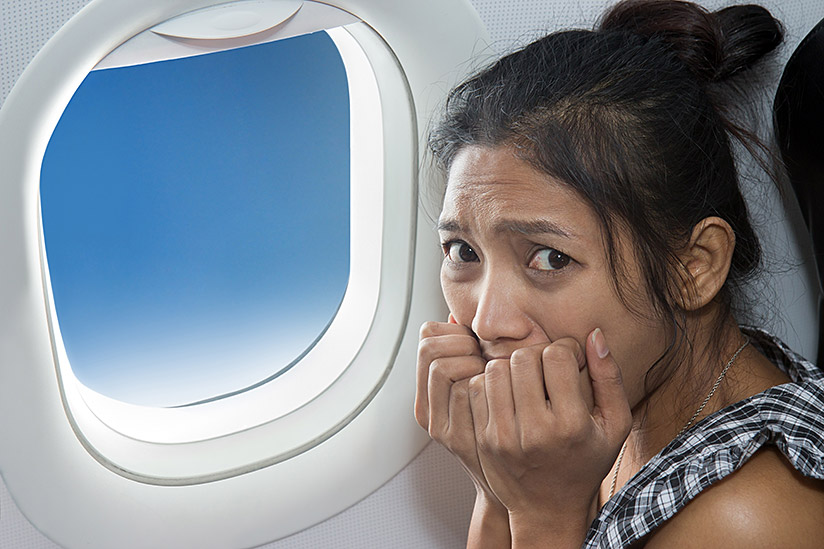
Turbulence anxiety does not start with the aircraft. It starts with anticipation. The moment a flight is booked, many travelers already imagine the bumps, the drops, and the loss of control that turbulence represents to the human mind.
In 2026, this anxiety is more widespread, not because flying is less safe, but because travelers are exposed to more information without enough context. This guide explains what turbulence really is, why it feels overwhelming, and what genuinely helps when fear takes over.
Why Turbulence Anxiety Feels Stronger in 2026
Turbulence itself has always been part of flying, but the way travelers experience it has changed. In 2026, live flight tracking, turbulence maps, and social media videos expose passengers to constant signals that suggest instability, even when flights are operating normally. This repeated exposure trains the brain to expect danger, even when none exists.
From an aviation perspective, turbulence is simply air movement. Planes are designed to move with it, not fight against it. Wings flex by design, and pilots anticipate turbulence long before passengers feel it. What feels like sudden drops inside the cabin are usually small changes in airflow, not loss of control or altitude.
The emotional impact comes from unpredictability. Humans are wired to fear situations where control feels absent. Turbulence triggers that response even though aviation systems are functioning exactly as intended. Understanding this disconnect between perception and reality is the first step toward easing anxiety.
Is Flying Still Safe in 2026
Flying remains one of the safest forms of transportation in the world. Aircraft are certified to withstand forces far greater than those caused by turbulence, and modern aviation regulations are built around worst-case scenarios rather than average conditions.
Turbulence does not cause planes to crash. Injuries related to turbulence are rare and almost always occur when passengers are not wearing seatbelts. The structure of commercial aircraft is tested to handle extreme stress far beyond what passengers ever experience during flight.
According to the U.S. Federal Aviation Administration, turbulence is primarily a comfort issue rather than a safety risk to aircraft integrity. This distinction matters because anxiety often fills the gap left by missing facts.
How Turbulence Affects the Human Body and Mind
When turbulence hits, the body reacts before the mind can process what is happening. The sensation closely mimics falling, even though the aircraft remains in controlled flight. This triggers a stress response designed to protect you from danger, even when no real threat exists.
Heart rate increases, breathing becomes shallow, and muscles tense. These physical reactions amplify fear, making turbulence feel more intense than it actually is. Trying to reason your way out of this reaction often fails because the nervous system needs calming before logic can work.
This is why turbulence anxiety feels so powerful. It is not about understanding statistics. It is about managing a biological response. Effective strategies focus on calming the body first, then reassuring the mind.
Best Seat Choices for Turbulence Anxiety
Seat choice does not change safety, but it changes how turbulence feels inside your body. Some parts of the aircraft move less, making the experience noticeably smoother for anxious travelers.
Seats over or slightly ahead of the wings experience the least motion because they are close to the aircraft’s center of gravity. Many nervous flyers report feeling significantly calmer in this section compared to other areas of the plane.
The front of the aircraft also tends to feel smoother than the rear, particularly during descent. Vertical motion is less pronounced, which can help travelers who feel anxious during landing or altitude changes.
The back of the plane often amplifies movement. While the aircraft is just as safe, turbulence feels stronger at the tail. For anxious passengers, avoiding rear seats can make a meaningful difference in comfort.
Turbulence Anxiety When Flying With Children
Flying with children adds emotional pressure, especially when turbulence occurs. Managing your own anxiety while trying to keep a child calm can feel overwhelming, particularly on long-haul flights.
Seat selection becomes even more important for families. Choosing seats near the wings can reduce movement, helping both adults and children feel more stable. Proximity to bassinets, aisle access, and family-friendly seating policies also play a role in reducing stress.
Planning ahead reduces anxiety before the flight begins. This guide on traveling with kids internationally in 2026 explains seating options, bassinets, and airline policies that can help families prepare more confidently.
Tools That Actually Help With Turbulence Anxiety
Not all travel tools are helpful for anxious flyers. Some reduce stress signals, while others quietly increase fear. Knowing the difference matters.
Noise-canceling headphones reduce engine noise and sudden sound changes that can trigger anxiety. Lower noise levels help the nervous system stay calmer during turbulence.
Breathing and grounding apps that guide slow breathing patterns are particularly effective. Techniques that emphasize longer exhales help signal safety to the body, reducing panic responses.
Some airline apps now provide simplified turbulence expectations based on pilot data rather than raw, constantly updating maps. These tools help set expectations without creating alarm.
Tools That Often Make Anxiety Worse
Live turbulence trackers that update every few seconds often increase anxiety. They show movement without explaining severity or safety, which encourages constant monitoring and worry.
Watching cabin crew reactions too closely can also heighten fear. Crew members are trained to remain neutral and focused, which can be misinterpreted as concern by anxious passengers.
Searching turbulence videos or aviation incidents during flight almost always escalates panic. Anxiety feeds on worst-case scenarios, especially when the body is already stressed.
For nervous travelers, reducing information intake often leads to more calm than trying to monitor everything.
What Actually Helps During Turbulence
When turbulence begins, calming the body is more effective than trying to think logically. The nervous system must feel safe before fear can subside.
Keeping your seatbelt fastened whenever you are seated is the most important safety step. Knowing you are physically secure reduces fear of sudden drops.
Grounding your body helps reduce the floating sensation that triggers panic. Place both feet flat on the floor and gently press downward to create physical stability.
Breathing techniques matter. Inhaling slowly and exhaling for longer than you inhale sends calming signals to the nervous system. This simple adjustment can significantly reduce anxiety during turbulence.
Climate Change and Turbulence in 2026
Many travelers worry that climate change has made flying unsafe. The reality is more nuanced and often misunderstood.
Clear-air turbulence has increased in some regions due to atmospheric changes, meaning turbulence may occur in places where it was previously less common. However, aircraft design and aviation regulations already account for severe turbulence scenarios.
Flying is not becoming unsafe. What has changed is predictability, not structural integrity. Pilots and airlines continuously adapt routes and altitudes to minimize discomfort.
The aviation industry is also investing in sustainability and climate adaptation. Understanding these efforts helps reduce fear driven by incomplete information. Learn more about how aviation is responding here on sustainable aviation.
Should You Tell the Cabin Crew About Your Anxiety
Yes, and you are not inconveniencing them. Cabin crew are trained to support anxious passengers and handle these situations daily.
Simply explaining that you feel nervous during turbulence often leads to reassurance, explanations, and occasional check-ins that help ground your experience.
Knowing what is happening and what to expect reduces fear more effectively than staying silent and imagining worst-case scenarios.
How Other Travel Stressors Increase Turbulence Anxiety
Turbulence anxiety rarely exists on its own. It is often amplified by other travel-related stressors that overload the nervous system.
Concerns about lost baggage, tight connections, or packing stress can make turbulence feel more overwhelming because emotional reserves are already depleted.
If baggage worries add to your anxiety, understanding airline policies can help you feel more prepared.
Reducing stress outside the aircraft makes turbulence easier to handle inside the cabin.
When Turbulence Anxiety Becomes Severe
For some travelers, turbulence anxiety leads to avoiding flights or experiencing panic attacks onboard. If this sounds familiar, additional strategies may help.
Morning flights often experience calmer air, making early departures a practical choice for anxious flyers. Short-haul flights can also help rebuild confidence gradually before longer journeys.
Some travelers benefit from working with therapists who specialize in flight anxiety or using structured exposure techniques. Seeking support is not a failure; it is a practical response to fear.
What Pilots Know That Passengers Often Do Not
Pilots receive detailed turbulence forecasts before every flight and communicate with other aircraft in real time. Turbulence rarely surprises pilots in the way it surprises passengers.
Understanding that professionals are actively managing conditions can help shift your perspective from helplessness to trust. The aircraft is not reacting randomly; it is operating within carefully planned systems.
Conclusion
Turbulence anxiety in 2026 is not a sign of weakness. It is a natural response to uncertainty in a world filled with constant information and limited context.
Flying does not need to feel calm to be safe. It needs to be understood. With thoughtful seat selection, fewer fear-triggering tools, and body-based coping strategies, turbulence becomes something you manage rather than something that controls you.
For more practical, aviation-focused travel guidance written for real travelers.
FAQs
Is turbulence getting worse because of climate change?
Clear-air turbulence has increased in some regions due to atmospheric changes, but it does not make flying unsafe. Aircraft are designed to handle turbulence far beyond what passengers experience.
Can turbulence bring down a plane?
No. Turbulence does not cause planes to crash. Aircraft are certified to withstand extreme stress, and pilots are trained to manage turbulent conditions safely.
What part of the plane feels the least turbulence?
Seats over the wings feel the least turbulence because they are close to the aircraft’s center of gravity.
Should I be scared of severe turbulence?
Severe turbulence is rare, and even when it occurs, planes are built to handle it. Wearing your seatbelt is the most important safety step.
Do pilots avoid turbulence?
Yes. Pilots actively adjust routes and altitudes to minimize turbulence when possible using real-time data and weather systems.
Can anxiety make turbulence feel worse?
Yes. Anxiety heightens body awareness and makes normal aircraft movement feel more intense. Calming the nervous system reduces how turbulence is perceived.
Related posts:
 Boeing 737-800 American Airlines First Class: Airline Insights for Travelers
 Seat Selection Fees in 2026: When Paying Is Worth It and When It Isn’t
 Alaska Airlines Atmos Rewards 2025–2026: Complete Guide After Hawaiian Merger
 Flying With Medical Needs in 2026: CPAP, Meds, Mobility Aids, and Oxygen Requests