
Introduction
Sitting on an aircraft going nowhere ranks among the most frustrating travel experiences. The Department of Transportation recorded 492 tarmac delays exceeding three hours in 2025, affecting approximately 68,000 passengers. Each incident sparks the same urgent question: how long can they legally keep us here?
Federal law sets strict maximum tarmac delay times of 3 hours for domestic flights and 4 hours for international flights, with specific exceptions for safety, security, and air traffic control. Airlines violating these rules face fines up to $37,900 per passenger. This guide breaks down the exact legal limits, airline obligations during delays, compensation you can claim, documented exceptions, and practical steps to protect your rights when stuck on the tarmac.
Federal Tarmac Delay Rules in 2026
The Department of Transportation enforces tarmac delay regulations through 14 CFR Part 259, established in 2009 and strengthened through multiple amendments. These rules apply to all U.S. airlines and foreign carriers operating flights to, from, or within the United States. The regulations protect over 900 million annual passengers traveling through American airspace.
Airlines must allow passengers to deplane if the aircraft remains on the tarmac without taking off or reaching a gate for extended periods. The maximum time limits depend on whether your flight operates domestically within the United States or internationally crossing borders. These thresholds remain firm regardless of airline, aircraft size, or departure city, with narrowly defined exceptions for extraordinary circumstances.
The 3-Hour and 4-Hour Rules Explained
Domestic flights within the United States cannot exceed 3 hours on the tarmac without providing passengers the opportunity to deplane. International flights receive a 4-hour window before mandatory deplaning. The clock starts when the aircraft door closes for departure or when the aircraft lands and stops at the arrival airport.
The time calculation includes all ground delays whether waiting for takeoff clearance, sitting in departure queues, holding on taxiways, or positioned on arrival runways after landing. Once the aircraft reaches a gate or passenger ramp, the tarmac delay officially ends regardless of how long passengers wait to actually exit the plane.
| Flight Type | Maximum Time | When Clock Starts | Penalty Per Passenger |
| Domestic U.S. flights | 3 hours | Door closes or landing wheels stop | Up to $37,900 |
| International flights | 4 hours | Door closes or landing wheels stop | Up to $37,900 |
| Flights to/from Hawaii | 3 hours (domestic) | Same as continental domestic | Up to $37,900 |
| Small aircraft (30 or fewer seats) | Not covered | Regulations do not apply | No federal penalty |
The Department of Transportation adjusts penalty amounts annually for inflation. The current $37,900 maximum per passenger represents a significant increase from the original $27,500 limit established in 2011. Airlines also face additional state-level penalties in California, New York, and Florida that compound federal fines. Understanding these rules helps you recognize when your passenger rights during delays get violated.
Which Airlines and Flights Are Covered
All commercial passenger airlines operating scheduled or charter flights in the United States must comply with tarmac delay rules. This includes major carriers like American, Delta, United, and Southwest, along with regional partners operating flights under major airline brands. Foreign carriers flying to or from U.S. airports face identical requirements regardless of their home country regulations.
- Scheduled passenger service on aircraft with 31 or more seats operating anywhere in U.S. airspace
- Charter flights and vacation packages when operating commercial passenger aircraft over 30 seats
- Regional airline flights operated under code-share agreements with major carriers
- Foreign carriers on any flight leg touching U.S. territory including connections and layovers
- Ultra-low-cost carriers including Spirit, Frontier, and Allegiant on all domestic and international routes
Aircraft with 30 or fewer seats remain exempt from tarmac delay regulations. This exemption covers most regional turboprops, private charters under 31 passengers, and small commuter airlines serving rural communities. Approximately 8% of commercial flights operate under this exemption, primarily in Alaska, Montana, and other regions with limited infrastructure.
The rules apply regardless of ticket price, fare class, or loyalty status. First-class passengers, basic economy travelers, and everyone between receive identical protection under tarmac delay regulations. Airlines cannot selectively enforce rules based on passenger categories or ticket types.
Legal Exceptions to Time Limits
Federal regulations permit airlines to exceed maximum tarmac delay times under four specific circumstances: safety concerns, security issues, air traffic control instructions, and pilot-in-command decisions. These exceptions require documented justification and airline records subject to DOT audit during enforcement investigations.
Safety exceptions cover situations where deplaning passengers would create hazardous conditions. This includes severe weather preventing ground crew operations, lightning within airport vicinity requiring suspension of ramp activities, mechanical issues blocking safe aircraft exit, and emergency vehicles occupying taxiways needed for gate access. Airlines invoked safety exceptions 187 times in 2025, accounting for 38% of extended tarmac delays.
Safety and Security Circumstances
Security exceptions allow extended delays when law enforcement needs to investigate potential threats, conduct passenger screenings, or coordinate with federal agencies. The pilot in command maintains sole authority to determine if security concerns warrant keeping passengers aboard. Transportation Security Administration involvement, FBI notifications, and bomb threats all qualify as legitimate security exceptions.
Weather conditions creating unsafe deplaning environments include active thunderstorms with lightning strikes within 5 miles, wind speeds exceeding 40 mph preventing jet bridge operation, snow and ice accumulation making ramps impassable, and tornado warnings affecting airport grounds. Ground crews cannot safely operate equipment when these conditions exist, preventing passenger movement regardless of tarmac delay duration.
Common documented exception scenarios:
- Lightning detected within airport safety radius suspending all ground operations until storm passes.
- Medical emergency requiring paramedic boarding while maintaining crime scene integrity during investigation.
- Air traffic control prevents taxi to gates due to runway congestion or accident investigation.
- Security sweep following unattended bag report requiring passenger retention pending clearance.
- Mechanical failure blocking aircraft door operation until maintenance personnel arrive with specialized tools.
Airlines must maintain detailed records documenting exception circumstances including timestamps, weather reports, ATC communications, and security incident logs. The DOT reviews these records when passengers file complaints or during routine compliance audits. Insufficient documentation results in fines even when legitimate exceptions exist.
Air Traffic Control Directives
Air traffic control maintains authority to restrict aircraft movement for operational safety and airspace management. Controllers issue ground stops, taxi holds, and departure delays that prevent airlines from returning to gates even when approaching tarmac delay limits. These directives supersede DOT regulations because flight safety takes absolute priority over passenger convenience rules.
Major airports experience ATC holds averaging 47 minutes during peak hours, with Chicago O’Hare, Newark, and LaGuardia recording the longest ground delays. Congestion from arrival surges, departure banks, and weather reroutes create cascading delays affecting dozens of aircraft simultaneously. Controllers balance competing demands across hundreds of flights, sometimes requiring extended holds that push tarmac delays past regulatory limits.
The exception applies when ATC explicitly denies gate return requests or when returning would require crossing active runways closed for safety. Pilots communicate with controllers about tarmac delay status and request permission for gate returns. Controllers grant these requests when operationally feasible, but safety and airspace capacity constraints sometimes necessitate extended holds beyond the 3 or 4-hour windows.
What Airlines Must Provide During Delays
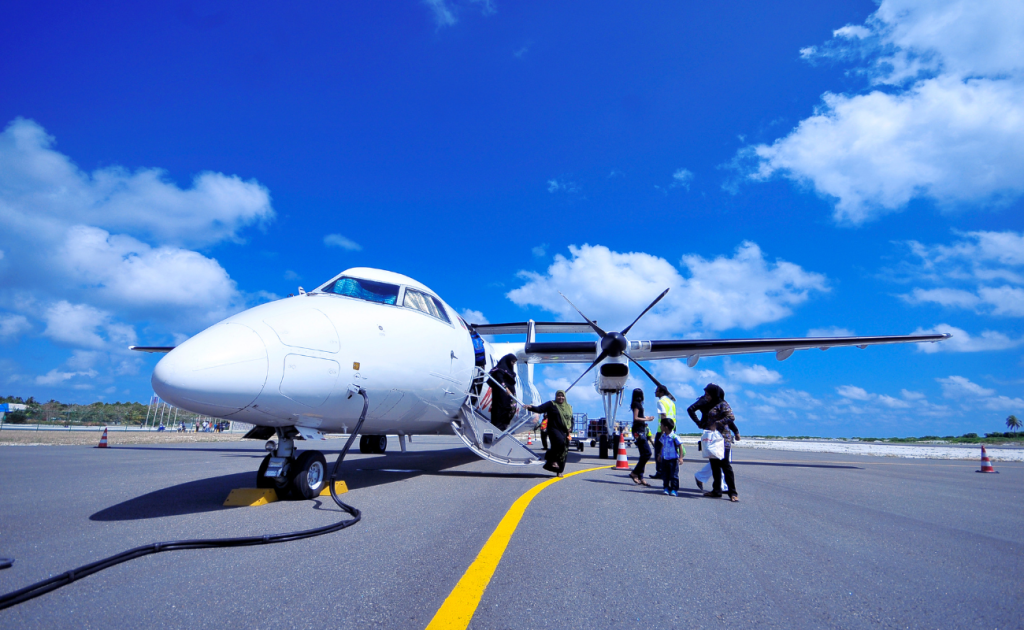
Federal regulations mandate specific passenger services during tarmac delays regardless of delay duration or cause. Airlines must provide working lavatories unless pilot safety determinations prohibit crew movement. This requirement remains absolute except when toxic fumes, smoke, or other immediate hazards make lavatory access dangerous.
Food and water requirements begin at 2 hours for tarmac delays. Airlines must distribute adequate snacks and beverages to all passengers once the two-hour threshold passes. Adequate means sufficient quantities for passenger count and anticipated delay duration, typically including bottled water, juice, and snack items like crackers, cookies, or chips.
Food, Water, and Comfort Requirements
Airlines maintain varying service levels during tarmac delays, with some carriers exceeding minimum requirements while others provide bare essentials. Cabin crew distribute available onboard supplies first, followed by catering truck deliveries if delays extend beyond initial projections. Major carriers stock additional emergency provisions specifically for extended ground delays.
| Time on Tarmac | Required Services | Communication | Medical Needs |
| 0-30 minutes | Working lavatories only | Initial delay announcement | Standard first aid |
| 30 minutes-2 hours | Lavatories, status updates | Updates every 30 minutes | Emergency access available |
| 2-3 hours | Food, water, lavatories | Frequent updates, timeline | Paramedic access if needed |
| 3+ hours (domestic) | Deplane or full service | Explanation of actions | Full medical intervention |
Temperature control requirements mandate comfortable cabin conditions throughout delays. Airlines must maintain functional air conditioning or heating appropriate for weather and passenger comfort. System failures requiring extended APU shutdown necessitate immediate gate return unless safety exceptions apply.
Medical assistance access remains available for passenger emergencies during any delay length. Crew members coordinate with ground personnel and airport emergency services when passengers require urgent medical attention. Serious medical situations typically trigger immediate gate return or emergency deplaning regardless of tarmac delay status. When planning your trip, consider reviewing travel insurance options that cover trip interruptions from extended delays.
Communication and Status Updates
Airlines must provide status updates every 30 minutes during tarmac delays explaining the reason for delay, expected duration, and whether deplaning opportunities exist. Flight crews receive information from operations centers, air traffic control, and maintenance teams, then communicate relevant details to passengers through cabin announcements.
Notification requirements include informing passengers of their right to deplane if the delay approaches regulatory limits. The captain must announce when the aircraft approaches the 3-hour or 4-hour threshold and explain whether exceptions apply preventing deplaning. This transparency allows passengers to understand their situation and make informed decisions when deplaning becomes available.
Gate agents and operations personnel monitor tarmac delay durations through specialized tracking systems that alert staff when flights approach time limits. These automated systems help airlines avoid violations by triggering intervention protocols before reaching maximum allowable delays. Airlines face DOT scrutiny when multiple tarmac delay incidents occur without adequate communication documentation.
Your Rights and Available Compensation
Passengers experiencing extended tarmac delays maintain specific rights beyond basic food and water provisions. You can refuse to remain on an aircraft beyond legal time limits when no valid exceptions exist. Airlines cannot physically restrain passengers who insist on deplaning once the maximum delay period expires, though practical deplaning remains subject to safety and operational feasibility.
Federal law does not mandate direct passenger compensation for tarmac delays. Airlines violate regulations and face government fines, but those penalties flow to the U.S. Treasury rather than affected passengers. However, airline policies, credit card protections, and state regulations sometimes provide compensation pathways beyond federal minimums.
Federal Compensation vs Airline Policies
Individual airlines maintain customer service policies addressing extended delays including tarmac situations. These policies vary significantly across carriers, with some offering goodwill gestures like travel vouchers, mileage bonuses, or refund considerations while others provide minimum required services only.
- American Airlines offers $100 to $200 vouchers for tarmac delays exceeding 3 hours when no exceptions apply
- Delta provides SkyMiles bonuses ranging from 5,000 to 15,000 miles depending on delay duration and fare class
- United may issue travel certificates worth $150 to $300 for significant tarmac delay inconvenience
- Southwest typically provides LUV vouchers valued at $100 to $200 for extended ground delays
- JetBlue offers TrueBlue points equivalent to 5,000 to 10,000 points for qualifying tarmac delays
These compensation offers require proactive passenger requests through formal complaint channels. Airlines rarely provide automatic compensation for tarmac delays unless violations reach egregious levels attracting media attention or regulatory action. Documentation including boarding passes, photos of delay boards, and timestamped communications strengthens compensation requests.
European Union regulations provide stronger passenger protections for flights departing EU airports or arriving on EU carriers. These rules mandate compensation up to 600 euros for extended delays including those occurring on the tarmac. Americans traveling internationally should understand how airline policies differ based on flight origin and destination.
State-Specific Passenger Protections
California, New York, and Florida enacted additional passenger protection laws supplementing federal tarmac delay regulations. These state laws provide extra leverage for passengers seeking compensation and impose additional penalties on airlines operating in those jurisdictions.
California law requires airlines to provide compensation or rebooking options for delays exceeding two hours regardless of cause. The state permits passengers to pursue civil remedies for airline regulation violations, creating pathways for compensation beyond federal frameworks. New York regulations mandate enhanced communication requirements and expedited complaint resolution processes.
Florida passenger bills of rights include provisions for ground delay compensation and expanded consumer protection measures. The state attorney general investigates airline practices and can pursue enforcement actions independent of federal agencies. These state-level protections apply when flights originate from airports within state boundaries, creating geographic variation in passenger rights across the country.
What to Do During Extended Tarmac Delays
Staying calm and informed maximizes your ability to protect your rights and secure compensation when tarmac delays extend beyond reasonable timeframes. Document everything from the moment delays begin including timestamps of announcements, photos of delay information screens, and notes about services provided or denied.
Request specific information from flight attendants about delay causes, expected duration, and applicable exceptions. Crew members may not have complete information but asking questions creates awareness that passengers monitor compliance. Note names of crew members making announcements and record their statements in case formal complaints become necessary.
Track exact delay duration from door closing or landing wheels stopping. Airlines sometimes dispute delay lengths during complaint investigations, making independent timekeeping valuable. Phone timestamps, passenger announcements, and coordination with fellow travelers help establish accurate timelines if disputes arise. Understanding check-in timing requirements also helps you avoid situations that might contribute to tarmac delays.
Documentation and Evidence Collection
Building a strong compensation case requires comprehensive evidence collection during the delay itself. Airlines dismiss vague complaints lacking specific details, but documented violations supported by timestamps and evidence receive serious consideration.
- Photograph delay notifications on seatback screens, airport monitors, and airline apps showing timeline progression.
- Record audio or video of crew announcements explaining delay reasons and providing status updates.
- Note exact times when food and water service occurred or failed to occur per regulatory requirements.
- Collect contact information from fellow passengers willing to corroborate your account of events.
- Save all digital communications from airlines including emails, app notifications, and text message alerts.
- Take photos showing cabin conditions including temperature issues, inoperative lavatories, or service failures.
FlightAware, FlightRadar24, and airline apps provide independent verification of delay durations and timeline accuracy. Screenshot these applications during delays to establish third-party confirmation of circumstances. This evidence proves particularly valuable when airlines dispute complaint details or claim shorter delay durations than actually occurred.
Filing Complaints and Claims
Submit complaints to airlines within 45 days of travel for best results. Most carriers maintain online complaint forms accessible through customer service sections of their websites. Provide comprehensive details including flight numbers, dates, delay duration, services provided or withheld, and specific regulation violations you believe occurred.
Airlines must acknowledge complaints within 30 days and provide substantive responses within 60 days under DOT customer service regulations. Inadequate responses or failures to respond within required timeframes warrant escalation to the Department of Transportation Aviation Consumer Protection Division.
File DOT complaints through the Aviation Consumer Protection website at airconsumer.dot.gov or by mail to Aviation Consumer Protection Division, U.S. Department of Transportation, 1200 New Jersey Avenue SE, Washington, DC 20590. Include all documentation, correspondence with airlines, and specific regulation violations. The DOT investigates complaints and may pursue enforcement actions against airlines demonstrating patterns of non-compliance.
Credit card dispute provisions sometimes allow chargebacks for services not rendered as promised. Premium travel cards from American Express, Chase Sapphire, and similar products include trip delay insurance covering reasonable expenses incurred during extended delays. Review your card benefits and file claims when delays create additional costs for meals, accommodations, or transportation.
Real-World Tarmac Delay Examples
Notable tarmac delay incidents illustrate how regulations function in practice and reveal common airline tactics for avoiding violations. A January 2025 incident at Denver International Airport trapped 287 passengers on a United Airlines 737 for 4 hours and 23 minutes during a severe snowstorm. The airline claimed safety exceptions prevented deplaning, but DOT investigation found the aircraft could have returned to a gate 75 minutes before the extended delay ended.
The DOT assessed $1.8 million in penalties against United for the incident, calculating fines for each affected passenger. This case demonstrated that weather conditions alone do not justify unlimited tarmac delays when safe deplaning options exist. Airlines must continuously evaluate alternatives rather than defaulting to extended holds citing general weather concerns.
A June 2025 incident at John F. Kennedy International Airport involved a Delta A330 holding passengers for 5 hours and 47 minutes following an international arrival. Customs processing delays and gate availability issues combined to create the extended delay. Delta argued that customs requirements prevented deplaning, but regulations require coordination with border agencies to process passengers or return aircraft to gates within time limits.
Major Airline Violations and Penalties
The Department of Transportation levied $47.3 million in tarmac delay penalties against airlines from 2020 through 2025. This figure represents violations affecting approximately 89,000 passengers across 1,247 separate incidents. American Airlines incurred the highest penalties at $12.8 million, followed by United at $11.2 million and Delta at $9.7 million.
| Airline | Total Penalties (2020-2025) | Violation Incidents | Passengers Affected |
| American Airlines | $12.8 million | 341 incidents | 24,300 passengers |
| United Airlines | $11.2 million | 298 incidents | 21,600 passengers |
| Delta Air Lines | $9.7 million | 267 incidents | 19,400 passengers |
| Southwest Airlines | $7.4 million | 189 incidents | 13,800 passengers |
| JetBlue Airways | $6.2 million | 152 incidents | 9,900 passengers |
Repeat violations trigger escalating penalties with some airlines facing per-passenger fines exceeding $30,000 for egregious cases. The DOT considers compliance history, violation severity, and airline cooperation during investigations when determining penalty amounts. Airlines demonstrating systematic compliance failures face consent orders requiring enhanced monitoring and reporting.
Preventing Tarmac Delay Situations
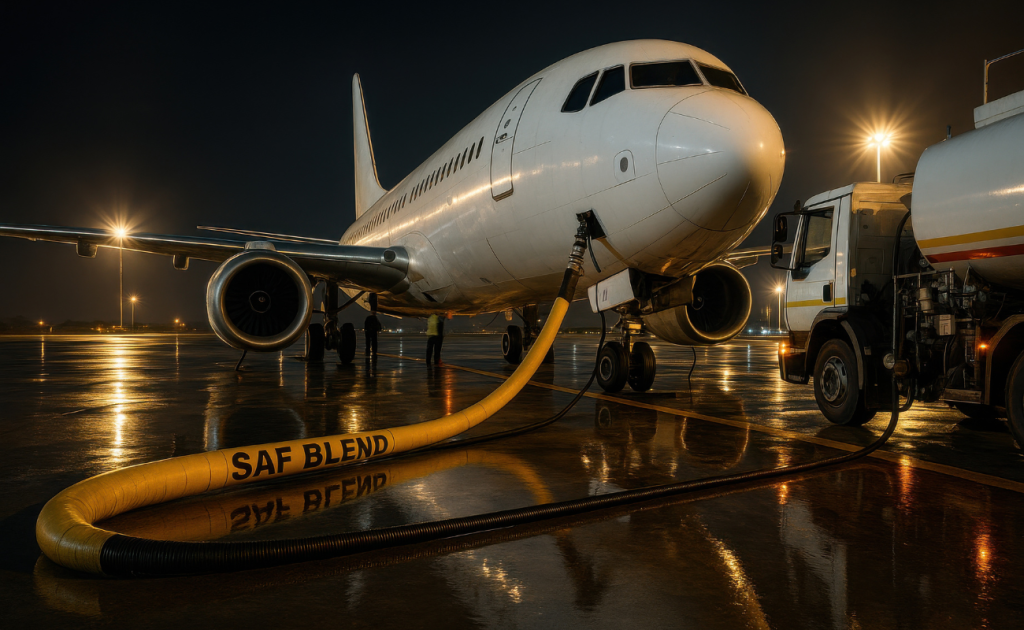
Strategic flight selection reduces tarmac delay risk before booking. Avoid scheduling tight connections that pressure airlines to hold aircraft when delays cascade. Choose airlines with strong operational performance records and lower delay rates. Review on-time statistics through the Bureau of Transportation Statistics database showing carrier-specific and route-specific delay patterns.
Book nonstop flights when possible, eliminating connection complexities that contribute to cascading delays. Morning departures experience fewer tarmac delays than afternoon or evening flights because early operations face less accumulated congestion. First flights of the day using aircraft that remained overnight at airports generally avoid incoming delay chains affecting later departures.
Monitor weather forecasts for departure and arrival cities, especially during winter months and summer thunderstorm seasons. Proactively request rebooking when severe weather threatens significant delays. Airlines waive change fees for weather disruptions, allowing flexible adjustments that avoid problematic situations before they develop. Understanding how airlines reduce delays helps you choose carriers investing in operational improvements.
Best Airlines for Avoiding Delays
On-time performance metrics reveal significant variation across carriers. Delta consistently ranks highest for operational reliability with 83.7% on-time arrivals in 2025 and the lowest percentage of flights experiencing tarmac delays exceeding 2 hours. Alaska Airlines follows closely with 82.4% on-time performance and strong tarmac delay avoidance.
- Delta Air Lines: 83.7% on-time, 0.8% tarmac delays over 2 hours, strong operational infrastructure
- Alaska Airlines: 82.4% on-time, 0.9% extended delays, excellent West Coast operations
- United Airlines: 79.6% on-time, 1.3% tarmac delays, improving through operational investments
- Southwest Airlines: 78.9% on-time, 1.1% delays, point-to-point network reduces cascading issues
- American Airlines: 76.8% on-time, 1.7% extended delays, challenged by hub complexities
Regional carriers and ultra-low-cost airlines generally experience higher tarmac delay rates due to smaller operational buffers, older aircraft fleets, and reduced scheduling flexibility. Spirit Airlines and Frontier face tarmac delays 2.1% and 2.4% of the time respectively, compared to 1.2% industry averages. Recent updates from major carriers like Southwest Airlines changes show operational improvements that may reduce delay frequencies.
Conclusion: Protecting Your Rights During Ground Delays
Federal tarmac delay regulations provide critical passenger protections, but enforcement depends on informed travelers documenting violations and filing complaints. Airlines face significant financial incentives to comply with 3-hour and 4-hour limits, yet violations continue occurring across the industry. Understanding your rights positions you to hold carriers accountable when they fail to meet legal obligations.
The maximum delay times of 3 hours domestic and 4 hours international remain absolute unless legitimate safety, security, or air traffic control exceptions apply. Airlines must provide food, water, functioning lavatories, and regular communication throughout delays. Passengers retain rights to deplane when regulatory limits expire absent valid documented exceptions.
Document everything during extended tarmac delays including exact timelines, crew announcements, services provided, and conditions experienced. File complaints with airlines within 45 days and escalate to the Department of Transportation when carrier responses prove inadequate. Your complaint contributes to regulatory enforcement actions protecting all passengers from future violations.
Explore comprehensive travel tips and passenger rights guides to stay informed about airline policies, airport procedures, and strategies for smooth travel experiences.
Frequently Asked Questions About Tarmac Delays
What is the maximum time an airline can keep you on the tarmac?
Airlines can keep passengers on the tarmac for 3 hours maximum on domestic flights and 4 hours on international flights before they must provide deplaning opportunities. These limits apply from when aircraft doors close for departure or when wheels stop after landing. Airlines face fines up to $37,900 per passenger for violations unless documented safety, security, or air traffic control exceptions apply. Small aircraft with 30 or fewer seats remain exempt from these regulations.
Can I demand to get off the plane during a tarmac delay?
You can request to deplane during tarmac delays, but airlines control when deplaning becomes available. Once delays reach 3 hours for domestic or 4 hours for international flights, airlines must provide deplaning opportunities unless valid exceptions exist. Before these limits, airlines may voluntarily allow deplaning but maintain discretion. You cannot physically force deplaning or refuse crew instructions, as such actions may violate federal aviation safety regulations and result in criminal charges.
Do airlines owe compensation for extended tarmac delays?
Federal law requires airlines to pay fines to the government for tarmac delay violations but does not mandate direct passenger compensation. Individual airline customer service policies may provide vouchers, miles, or refund considerations ranging from $100 to $300 depending on circumstances and carrier. State laws in California, New York, and Florida provide additional passenger protections. European Union regulations require compensation up to 600 euros for qualifying delays on EU flights. Credit card trip delay insurance may reimburse reasonable expenses incurred during extended delays.
What services must airlines provide during tarmac delays?
Airlines must provide working lavatories throughout tarmac delays unless safety concerns prevent crew movement. Food and water service begins at 2 hours with adequate quantities for passenger count and anticipated delay duration. Comfortable cabin temperature through functioning air conditioning or heating remains required throughout delays. Airlines must provide status updates every 30 minutes explaining delay reasons, expected duration, and deplaning availability. Medical assistance access must remain available for passenger emergencies at any delay duration.
What are valid exceptions allowing longer tarmac delays?
Airlines can exceed maximum delay times when safety concerns prevent deplaning, security issues require passenger retention, air traffic control denies gate return permission, or the pilot in command determines extraordinary circumstances exist. Valid safety exceptions include severe weather making ground operations dangerous, lightning within airport vicinity, mechanical failures preventing safe exit, and emergency response vehicles blocking required routes. Security exceptions cover law enforcement investigations, potential threats, and federal agency coordination. Airlines must document all exceptions with timestamps, weather reports, and official communications.
How do I file a complaint about a tarmac delay violation?
Submit complaints to airlines within 45 days through their online customer service forms with comprehensive details including flight numbers, dates, exact delay duration, and specific violations. Airlines must respond within 60 days. For inadequate responses, file Department of Transportation complaints at airconsumer.dot.gov or mail to Aviation Consumer Protection Division, 1200 New Jersey Avenue SE, Washington, DC 20590. Include all documentation, correspondence, photos, and timestamps. State attorney general offices in California, New York, and Florida accept complaints for additional enforcement when flights originate in those states.
Which airports have the most frequent tarmac delays?
Newark Liberty International, LaGuardia, and Chicago O’Hare experience the highest tarmac delay frequencies due to high traffic volumes, limited runway capacity, and weather exposure. Newark recorded 87 tarmac delays exceeding 3 hours in 2025, affecting 11,400 passengers. LaGuardia and O’Hare each had 76 and 71 qualifying incidents respectively. San Francisco International faces frequent fog delays while Denver experiences winter weather impacts. Atlanta Hartsfield-Jackson handles the most passengers but maintains better operational performance with fewer proportional delays due to superior infrastructure and airline coordination.