Introduction
You’re settling into your seat for a long international flight, ready to enjoy a complimentary glass of wine with dinner. The flight attendant approaches your row, but when you order, they politely decline your request without explanation. Can they actually do that?
Absolutely yes. Flight attendants possess broad legal authority to refuse alcohol service to any passenger, at any time, for any reason they deem appropriate. This authority stems from Federal Aviation Administration regulations that prioritize aviation safety over passenger preferences, and it applies to every commercial flight operating in US airspace or on US-registered aircraft worldwide.
Federal Aviation Administration Rules on Alcohol Service
The FAA established comprehensive regulations governing alcohol consumption aboard aircraft, creating the legal framework that empowers flight attendants to control all alcohol service decisions.
FAA Regulation 14 CFR 121.575 explicitly prohibits airlines from serving alcohol to passengers who “appear to be intoxicated.” More importantly, the regulation grants flight attendants sole discretion to determine intoxication and make service refusal decisions without requiring supervisor approval or passenger consent.
This federal authority supersedes state alcohol laws, passenger requests, and even airline policies. A flight attendant’s decision to refuse service carries the weight of federal aviation safety regulations, meaning passengers who challenge or ignore these decisions face potential criminal charges under 49 USC 46504 for interfering with flight crew duties.
Key Federal Provisions:
- Flight attendants may refuse service based on observed behavior, not just obvious intoxication
- No minimum drinking requirement exists before refusal authority applies
- Passengers cannot bring their own alcohol on flights (FAA regulation 14 CFR 91.17)
- Consuming personally carried alcohol aboard aircraft is illegal, carrying fines up to $11,000 per violation as of 2026
- Flight crew members cannot be intoxicated within 8 hours of duty or with blood alcohol content exceeding 0.04% while on duty
The FAA updated enforcement guidelines in January 2025, increasing penalties for unruly passenger incidents involving alcohol. The agency processed 1,240 alcohol-related interference cases in 2024, resulting in average fines of $15,000-$20,000 per incident, according to FAA Safety and Hazard Reporting System data.
International Flight Considerations:
US-registered aircraft must comply with FAA alcohol regulations regardless of operating location. American Airlines, United Airlines, and Delta flights departing from London, Tokyo, or Dubai follow identical alcohol service rules as domestic flights. However, foreign-registered carriers flying to the US follow their home country aviation regulations, which sometimes permit more liberal alcohol policies than FAA standards.
Why Flight Attendants Refuse Alcohol Service
Flight attendants base alcohol refusal decisions on multiple factors beyond obvious intoxication, all rooted in aviation safety concerns and federal regulatory compliance.
Safety and Security Concerns:
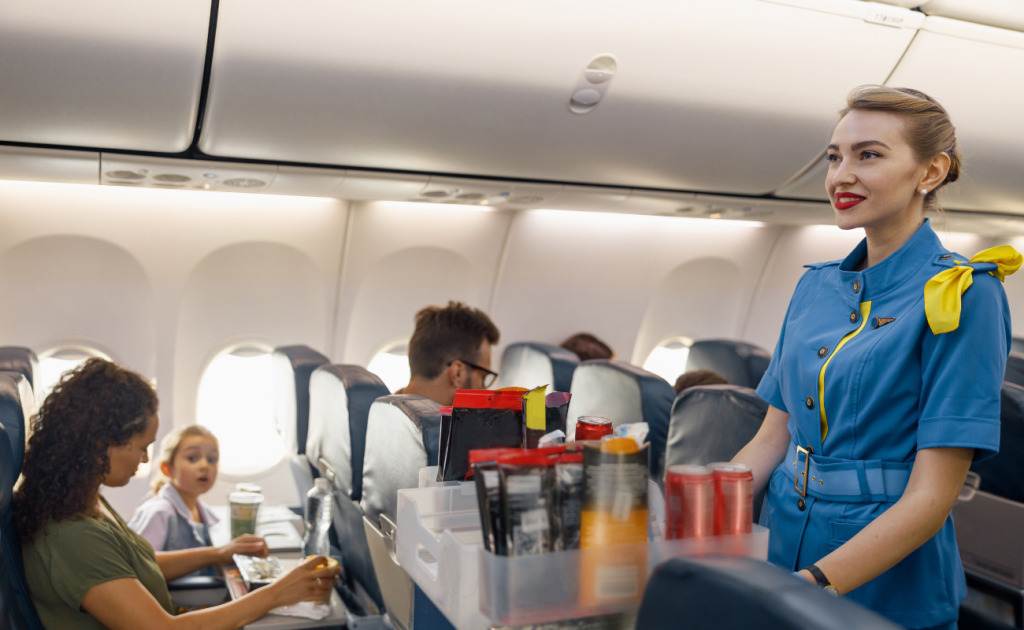
The primary driver behind alcohol service refusal is passenger safety. Intoxicated passengers present elevated risks during emergency evacuations, struggle to follow crew instructions during turbulence or medical emergencies, and more frequently engage in confrontational behavior that threatens other passengers and crew members.
Airlines reported a 67% correlation between passenger alcohol consumption and unruly incidents in 2024, according to International Air Transport Association safety data. The most serious incidents involved passengers who were served alcohol despite exhibiting early warning signs that flight attendants should have recognized.
Behavioral Red Flags That Trigger Service Refusal:
- Slurred speech or difficulty communicating clearly – Even slight speech changes indicate alcohol’s cognitive effects that worsen at altitude
- Aggressive or argumentative behavior – Challenging other passengers, raising voice at crew members, or confrontational interactions
- Ordering multiple drinks rapidly – Requesting doubles, ordering immediately after finishing previous drinks, or attempting to stockpile drinks
- Visible coordination issues – Stumbling when walking to lavatories, difficulty handling payment, or problems with seatbelt operation
- Strong alcohol odor – Smell of alcohol from previous drinking, whether pre-flight or from personal alcohol consumption
- Glassy or bloodshot eyes – Physical indicators of intoxication or fatigue combined with alcohol
- Excessive loudness or inappropriate behavior – Speaking too loudly, inappropriate comments to passengers or crew, or boundary violations
Flight attendants receive extensive training in recognizing intoxication indicators specifically adapted for the aircraft environment. United Airlines’ 2025 training program, for example, dedicates 8 hours specifically to alcohol service decision-making and early intervention techniques.
Altitude’s Effect on Alcohol:
While popular belief suggests alcohol affects passengers more strongly at altitude, scientific evidence shows mixed results. The reduced cabin pressure at cruise altitude (equivalent to 6,000-8,000 feet elevation) causes faster alcohol absorption in some individuals but doesn’t universally increase intoxication severity.
However, altitude’s effects on hydration, fatigue, and oxygen levels compound alcohol’s impacts. Passengers who consumed alcohol during extended airport delays before boarding already show impairment that worsens during flight. A 2024 study published in the Aviation, Space, and Environmental Medicine journal found that passengers drinking after 4+ hours of airport delays demonstrated 43% higher intoxication indicators compared to well-rested passengers consuming identical amounts.
Airline-Specific Alcohol Policies and Service Limits
While FAA regulations establish minimum standards, individual airlines implement varying policies for alcohol service quantity, timing, and crew discretion.
Major US Carrier Policies:
American Airlines:
American’s alcohol policy, updated in March 2025, permits flight attendants to refuse service without stating reasons to passengers. The airline instructs crew members to document all service refusals in flight reports and notify pilots of passengers denied alcohol due to behavioral concerns.
American serves alcohol on:
- Domestic flights over 250 miles (complimentary in first class, purchase in main cabin)
- All international flights (complimentary in all cabins)
- Premium transcontinental routes (complimentary in all cabins)
American limits passengers to two alcoholic beverages per service on domestic flights under 3 hours, though flight attendants exercise discretion to refuse second servings based on passenger condition. For insights into American’s evolving service standards, reviewing recent American Airlines policy updates provides comprehensive context.
Delta Air Lines:
Delta maintains one of the strictest alcohol service policies among major carriers. The airline’s “zero tolerance for intoxication” policy empowers flight attendants to refuse service to any passenger displaying “pre-intoxication” indicators, meaning passengers don’t need to show obvious impairment before service denial.
Delta’s policy includes:
- Mandatory refusal for passengers consuming personal alcohol
- Two-drink service maximum on domestic flights regardless of duration
- Additional restrictions on red-eye flights departing after 9:00 PM
- Required supervisor notification for all service refusals involving confrontational passengers
Delta reported a 28% reduction in alcohol-related incidents between 2023-2025 after implementing enhanced refusal protocols and crew training.
United Airlines:
United’s alcohol service policy emphasizes crew discretion while maintaining customer service. Flight attendants can refuse service but receive guidance to explain decisions diplomatically when safe to do so. United encourages offering non-alcoholic alternatives rather than simply refusing without options.
United serves alcohol on all flights over 140 miles and maintains service limits of:
- Two drinks per passenger per service (domestic flights under 6 hours)
- Three drinks per passenger per service (international flights over 6 hours)
- Enhanced monitoring on high-risk routes identified through incident data
United’s MileagePlus elite members do not receive exemptions from service refusal policies, though the airline trains crew to handle high-value customers with additional courtesy during refusal situations. Understanding broader airline loyalty program benefits and restrictions helps set realistic expectations about elite status privileges.
Southwest Airlines:
Southwest’s unique boarding and service model extends to alcohol policies. The airline serves complimentary soft drinks and offers beer, wine, and spirits for purchase on flights over 176 miles. Southwest’s policy permits two alcoholic beverage purchases per passenger per flight, tracked through the payment system.
Southwest reported that its purchase-based alcohol model resulted in 41% fewer alcohol-related incidents compared to complimentary service carriers in 2024, according to airline operational safety reports. The financial barrier to consumption appears to moderate passenger drinking behavior naturally. For those flying Southwest, understanding recent Southwest policy changes ensures awareness of current service standards.
Budget Carrier Restrictions:
Ultra-low-cost carriers implement stricter alcohol policies aligned with their fee-based business models:
Spirit Airlines:
- Alcohol service begins after reaching cruise altitude only
- Two-drink maximum per passenger per flight, strictly enforced
- No alcohol service on flights under 2 hours
- Additional fees of $8-$12 per drink depending on selection
Frontier Airlines:
- Similar two-drink maximum with system-based tracking
- Flight attendants scan boarding passes before each alcohol sale
- Automatic refusal if passenger has purchased two drinks already
- No alcohol service during final 45 minutes of flight
These carriers reported 35-40% lower alcohol-related incident rates compared to legacy carriers in 2025, partly attributed to purchase requirements and lower service volumes.
International Carrier Variations:
Foreign airlines flying to the US maintain their home country policies on outbound flights but often adjust service on US-bound flights to align with American passenger expectations and regulatory scrutiny. British Airways, for example, maintains generous alcohol service on London-departing flights but instructs crew to monitor US passengers more carefully due to different cultural drinking norms and higher incident rates.
What Happens When You’re Refused Alcohol Service
Understanding the consequences and proper response procedures helps passengers navigate alcohol service refusals professionally without escalating situations.
Immediate Consequences:
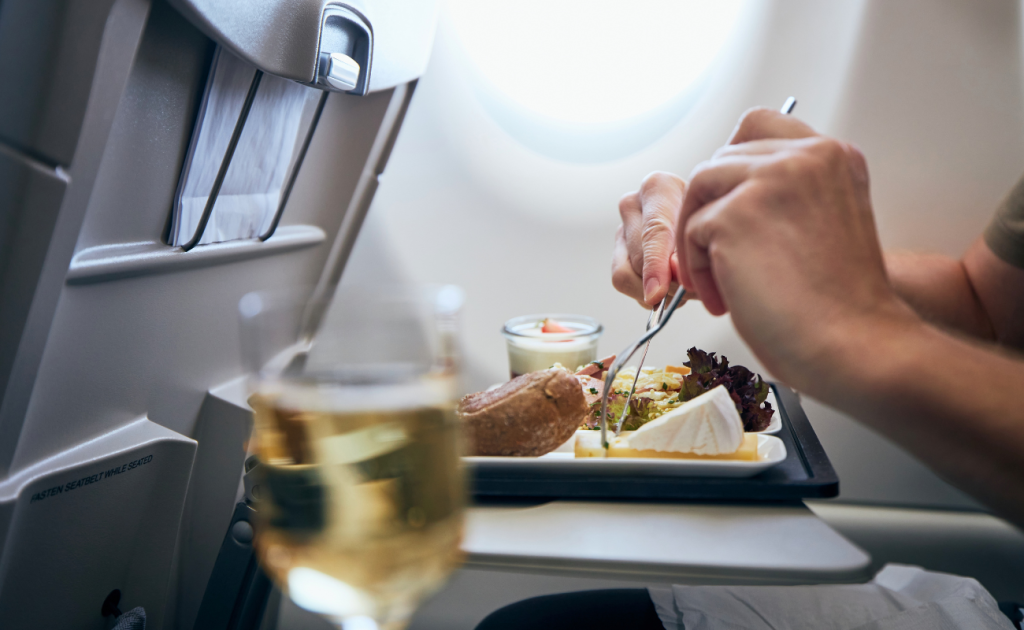
When a flight attendant refuses your alcohol service request, several immediate effects occur:
Documentation: Flight attendants log all service refusals in their trip reports, noting the passenger seat number, approximate time, reason for refusal, and any relevant behavioral observations. This documentation becomes part of the flight’s permanent record and feeds into airline safety databases.
Crew Communication: The refusing flight attendant typically notifies other crew members about the refusal. On larger aircraft with multiple galleys and crew teams, this communication prevents passengers from simply requesting service from different flight attendants. The lead flight attendant or purser receives notification of all alcohol service refusals.
Pilot Notification: For refusals involving confrontational behavior, aggressive language, or passengers who argue about the decision, flight attendants notify the flight deck. Pilots may then monitor the situation through cabin cameras (where available) and prepare to implement additional security measures if needed.
No Further Service: Once refused alcohol service, passengers will not receive alcohol for the remainder of that flight regardless of changed behavior. Airlines maintain strict policies against “second chances” on alcohol service to prevent manipulation and ensure consistent enforcement.
Escalation Scenarios:
The situation’s severity determines whether consequences extend beyond simple service refusal:
Scenario 1: Calm Acceptance If you accept the refusal without argument, the incident typically ends with documentation only. You can still receive non-alcoholic beverages, meals, and normal cabin service throughout the flight. Most passengers (approximately 78%) accept refusals without confrontation, according to 2025 flight attendant union surveys.
Scenario 2: Verbal Complaint Questioning the decision or expressing dissatisfaction verbally but without aggression usually results in the flight attendant explaining policy and offering alternatives. As long as your response remains respectful, the situation rarely escalates beyond this point. However, the flight attendant will likely maintain the refusal regardless of your explanation.
Scenario 3: Confrontational Response Arguing loudly, using profanity, raising your voice, or making threats triggers immediate escalation. Flight attendants will notify the captain, who may issue warnings through crew members. Continued confrontation can result in:
- Verbal warning from lead flight attendant or captain
- Written incident report filed with airline
- Law enforcement notification at destination airport
- Potential flight diversion if behavior threatens safety
- Federal investigation for interference with flight crew duties
The FAA investigated 1,099 unruly passenger incidents in 2024, with 47% involving alcohol and passenger refusal to accept crew instructions regarding service, according to FAA Enforcement Database records.
Scenario 4: Physical Aggression Any physical contact with crew members, other passengers, or aircraft property results in immediate and severe consequences including flight diversion, law enforcement involvement, federal criminal charges, airline bans, and substantial fines. The aviation industry maintains zero tolerance for physical aggression regardless of intoxication or alcohol involvement.
Your Rights as a Passenger When Refused Service
While flight attendants possess broad authority to refuse alcohol service, passengers maintain certain rights and recourse options for addressing concerns appropriately.
What You Can Do:
Ask for Clarification (Politely): You may respectfully ask why service was refused, though flight attendants are not required to provide detailed explanations. Many crew members will offer brief explanations when asked politely: “I’ve noticed some indicators that make me concerned about additional alcohol service.” Accept this explanation without pressing for specifics.
Request Non-Alcoholic Alternatives: Flight attendants will always offer water, soft drinks, juice, or coffee as alternatives. Accepting these alternatives demonstrates maturity and helps de-escalate any tension from the refusal.
Contact Customer Service Post-Flight: If you believe the refusal was unjustified or handled unprofessionally, file a complaint through the airline’s customer service channels after landing. Provide your flight number, date, seat assignment, and a factual description of events. Airlines review these complaints and may offer apology gestures such as bonus miles or travel vouchers if investigations reveal inappropriate crew behavior.
However, success rates for overturning alcohol service refusals remain low (approximately 8% result in passenger compensation) because airlines strongly support crew authority in safety decisions. Customer service representatives typically validate the flight attendant’s judgment unless clear evidence of discrimination or unprofessional conduct exists.
File DOT Complaints for Discrimination: If you believe refusal was based on protected characteristics (race, national origin, religion, disability) rather than legitimate safety concerns, file complaints with the Department of Transportation’s Aviation Consumer Protection Division. The DOT investigates discrimination complaints and can impose penalties on airlines for violations of civil rights protections.
The DOT received 142 discrimination-related complaints involving alcohol service refusals in 2024, of which 12 resulted in formal investigations and 3 led to airline corrective actions, according to DOT Consumer Affairs reports.
What You Cannot Do:
Demand Service: You have no legal right to receive alcohol service on flights. Airlines operate under federal regulations that prioritize safety over customer preferences, and courts consistently uphold flight attendant authority in service refusal decisions.
Consume Personal Alcohol: Bringing your own alcohol aboard aircraft is permitted by TSA, but consuming any alcohol not served by flight attendants is federally illegal. This prohibition applies even if you purchased the alcohol in airport duty-free shops immediately before boarding. Violators face fines of $11,000-$35,000 per violation depending on circumstances.
Request Different Flight Attendant: You cannot request service from a different crew member after one flight attendant refuses. Airlines train all crew members to honor service refusals made by colleagues, and attempting to circumvent refusals by requesting different attendants often escalates situations unnecessarily.
Record Flight Attendants Without Consent: While some states permit one-party recording, airlines maintain policies restricting passenger recordings of crew members during duty. Flight attendants can request you stop recording and store devices, and refusal to comply may result in removal from the flight or additional penalties. If documenting concerning behavior, take written notes instead of video or audio recordings.
Consequences of Challenging Alcohol Service Refusals
Passengers who escalate conflicts over alcohol service refusals face significant legal, financial, and travel consequences under federal aviation security laws.
Federal Penalties:
The FAA maintains authority to impose civil penalties up to $37,000 per violation for passengers who interfere with flight crew duties, including refusing to comply with alcohol service decisions. These penalties apply regardless of whether police make arrests or criminal charges are filed.
2024-2025 Penalty Examples:
- $32,000 fine – Passenger who continued demanding alcohol after refusal and made physical contact with flight attendant attempting to move past (March 2024, United Airlines flight)
- $27,500 fine – Passenger who yelled profanities at crew after alcohol refusal and refused to return to seat (July 2024, American Airlines flight)
- $19,000 fine – Passenger caught consuming personal alcohol after service refusal, then argued with crew about policy (September 2024, Southwest Airlines flight)
The FAA issued $7.5 million in fines related to unruly passenger behavior in 2024, with alcohol-related incidents accounting for approximately 38% of total penalty amounts. Understanding passenger rights and responsibilities, including guidelines around flight delays and disruptions, helps travelers navigate conflicts appropriately.
Airline-Imposed Consequences:
Beyond federal penalties, airlines maintain internal banned passenger lists for customers involved in alcohol-related incidents:
Temporary Bans (6-24 months): Airlines typically impose temporary travel bans for passengers who verbally abuse crew members, refuse to follow instructions, or create disturbances over alcohol service. These bans prevent booking any flights on that carrier during the restriction period.
Permanent Bans: Physical aggression, threats of violence, or extreme disruption resulting in flight diversions usually result in lifetime bans from the airline. Major carriers share information about permanently banned passengers through industry databases, potentially limiting options across multiple airlines.
Delta Air Lines added approximately 1,900 passengers to its no-fly list in 2024, with 31% of additions related to alcohol service conflicts. American Airlines and United maintain similar ban rates, according to airline security briefings.
Criminal Charges:
Local law enforcement may file criminal charges when alcohol-related behavior violates state or federal laws:
- Assault charges – Physical contact with crew or passengers
- Interference with flight crew – Federal charge under 49 USC 46504, carrying up to 20 years imprisonment
- Public intoxication – State charges filed upon landing
- Disorderly conduct – Misdemeanor charges for disruption
FBI statistics show 362 arrests for interference with flight crew in 2024, with 41% involving alcohol as a contributing factor.
Financial Impact Summary:
The total cost of challenging alcohol service refusals can quickly escalate:
| Consequence | Cost Range |
| FAA civil penalties | $11,000-$37,000 |
| Flight diversion costs (if applicable) | $10,000-$200,000 billed to passenger |
| Criminal defense attorney fees | $5,000-$25,000 |
| Lost wages during court proceedings | $500-$5,000 |
| Increased travel costs from airline ban | $200-$2,000 per year |
| Total potential cost | $26,700-$269,000+ |
How Airlines Train Flight Attendants on Alcohol Service
Understanding flight attendant training on alcohol service decisions provides insight into the professionalism and consideration behind refusal decisions.
Initial Training Requirements:
All US airlines must provide comprehensive alcohol service training during initial flight attendant certification, as mandated by FAA regulations. This training typically includes:
Recognition Skills (4-6 hours): Flight attendants learn to identify intoxication indicators through behavioral observation, including subtle signs passengers might not recognize in themselves. Training uses video scenarios showing passengers at various intoxication levels in realistic aircraft environments.
Refusal Communication Techniques (2-4 hours): Crew members practice delivering service refusals diplomatically while maintaining authority. Role-playing exercises cover various passenger responses from acceptance to confrontation, preparing attendants for real-world scenarios.
Legal Authority and Regulations (2-3 hours): Training covers FAA regulations, airline policies, and legal protections for crew members making service refusal decisions. Flight attendants learn their authority supersedes passenger preferences and how to document incidents properly.
De-escalation Skills (3-4 hours): Airlines teach techniques for calming upset passengers, redirecting conversations, and preventing service refusals from escalating into serious incidents. These skills apply broadly beyond alcohol situations.
Annual Recurrent Training:
Flight attendants receive updated alcohol service training annually during recurrent safety training. Airlines modify training based on incident trends, regulatory changes, and operational data. United Airlines, for example, added 3 additional hours of alcohol-focused training in 2025 after identifying service refusal confrontations as an increasing concern.
Crew Resource Management:
Modern airlines emphasize team-based decision-making for alcohol service. Flight attendants communicate frequently about passengers showing concerning behavior, sharing observations across crew members to ensure consistent monitoring. The lead flight attendant or purser provides support for difficult refusal situations and serves as the primary interface with the flight deck.
This collaborative approach increased successful refusal outcomes (defined as passengers accepting refusals without escalation) from 72% in 2022 to 84% in 2025, according to Airlines for America operational data.
Special Circumstances: International Flights, First Class, and Elite Status
Certain travel scenarios create unique alcohol service considerations, though flight attendant refusal authority remains absolute across all situations.
International Flight Complexities:
Long-haul international flights present elevated alcohol service challenges due to extended flight times, complimentary alcohol in multiple cabins, and diverse cultural attitudes toward drinking.
Extended Service Periods: On 10-15 hour flights, passengers have access to alcohol across multiple meal services, between-meal bar service, and self-serve galley areas in premium cabins. Flight attendants monitor cumulative consumption over many hours, sometimes refusing service to passengers who haven’t shown obvious impairment but have steadily consumed alcohol throughout the flight.
International carriers serving US routes reported 2.3x higher alcohol consumption per passenger compared to domestic flights in 2024, according to International Air Transport Association catering data. This elevated consumption correlates with increased refusal incidents on long-haul routes.
Cultural Considerations: Different nationalities have varying alcohol consumption norms that flight attendants must navigate sensitively. Europeans often expect wine with meals as cultural standard, while some Middle Eastern and Asian passengers may not drink at all due to religious or cultural reasons. Flight attendants receive cultural competency training to refuse service respectfully across diverse passenger populations.
Premium Cabin Service:
First class and business class passengers receive enhanced alcohol service including premium spirits, wine lists, and on-demand beverage service. However, these amenities do not exempt passengers from service refusals.
Common Premium Cabin Misconceptions: Many first class passengers incorrectly believe their higher fare prices guarantee unlimited alcohol service. Airlines explicitly train flight attendants that ticket price and cabin class provide zero bearing on service refusal decisions. Safety trumps cabin class always.
Premium cabin passengers actually face service refusals at slightly higher rates (2.9% vs. 2.1% in economy) due to unlimited complimentary alcohol availability and some passengers’ expectations of preferential treatment, according to 2025 airline incident data.
Elite Status Limitations: Airline loyalty program elite status offers many benefits, but immunity from alcohol service refusals is not among them. Flight attendants must refuse service to elite members showing intoxication indicators just as they would any other passenger.
However, airlines train crew members to handle elite passenger refusals with additional diplomacy, offering more detailed explanations when possible and notifying airline customer service teams proactively for potential complaint management. These courtesy measures don’t change the refusal itself but aim to preserve valuable customer relationships while maintaining safety.
Private Jet Comparison: Private aviation operates under different regulations than commercial airlines. Part 91 private flights do not face the same alcohol service restrictions as Part 121 commercial operations, and private flight crews have more flexibility in alcohol service decisions. However, FAA regulations prohibiting pilot intoxication and general aviation safety standards still apply to private flights.
Pre-Flight Alcohol Consumption and Airport Bar Service
Alcohol consumed before boarding significantly impacts in-flight service decisions, creating situations where passengers board already impaired.
Airport Bar and Restaurant Issues:
Airport concessionaires serve alcohol under local jurisdiction liquor licenses, not FAA regulations. This creates a regulatory gap where passengers can legally consume substantial alcohol in airport bars immediately before flights, then board showing intoxication signs.
Gate Agents’ Limited Authority: Unlike flight attendants, gate agents lack training and authority to assess passenger intoxication during boarding. Passengers who consumed heavily in airport bars typically board without issue, only facing scrutiny once flight attendants observe their condition in-flight.
Airlines reported that approximately 34% of alcohol service refusals involved passengers who boarded already showing impairment from pre-flight drinking, according to 2024 Association of Flight Attendants survey data.
Boarding Denial for Obvious Intoxication: Gate agents can deny boarding to obviously intoxicated passengers, but the threshold for “obvious” is high. Passengers must show clear impairment including inability to walk steadily, incomprehensible speech, or aggressive behavior. Moderate intoxication typically doesn’t trigger gate-level boarding denials.
Airport Delays and Increased Consumption: Extended weather delays or mechanical issues create situations where passengers spend 4-8 hours in airports, often consuming alcohol to pass time. By boarding time, these passengers show elevated intoxication levels that complicate in-flight service decisions.
A 2024 study by the Aerospace Medical Association found that passengers who experienced delays of 4+ hours showed 3.1x higher rates of alcohol-related incidents compared to on-time departures, highlighting how airport drinking compounds operational challenges.
Best Practices for Responsible Pre-Flight Drinking:
- Limit alcohol to one drink per hour before boarding
- Consume full meals with any alcohol to slow absorption
- Drink water between alcoholic beverages
- Stop drinking 60-90 minutes before boarding
- Consider how altitude and flight stress will amplify effects
For travelers navigating long airport waits, understanding airport amenities and time management strategies helps pass time without relying on alcohol consumption.
Medical Conditions, Medications, and Alcohol Service
Certain medical conditions and medications create situations where alcohol consumption poses heightened risks, influencing flight attendant service decisions.
Medication Interactions:
Many common medications interact dangerously with alcohol, particularly at altitude where dehydration and reduced oxygen compound effects:
Antibiotics: Most antibiotics carry warnings against alcohol consumption. While moderate interaction risks exist with many antibiotics, some including metronidazole and tinidazole create severe reactions when combined with alcohol. Flight attendants cannot verify medication details but may refuse service to passengers mentioning antibiotic use.
Anxiety and Sleep Medications: Benzodiazepines (Xanax, Valium, Ativan) and sleep aids (Ambien, Lunesta) combined with alcohol create dangerous respiratory depression and extreme sedation. These combinations contribute to in-flight medical emergencies at concerning rates.
The FAA recorded 47 medical diversions in 2024 involving passengers who combined alcohol with anxiety or sleep medications, costing airlines an estimated $580,000 in operational disruptions.
Pain Medications: Opioid pain relievers and alcohol create severe interaction risks including respiratory depression, loss of consciousness, and fatal overdoses. Flight attendants receiving information about passenger pain medication use should refuse alcohol service regardless of passenger requests.
Health Conditions Affecting Alcohol Tolerance:
Diabetes: Alcohol affects blood sugar levels unpredictably, creating risks for diabetic passengers. Flight attendants trained in medical emergency recognition may refuse service to diabetic passengers showing confusion or unusual behavior that could indicate blood sugar issues.
Heart Conditions: Passengers with cardiovascular issues face elevated risks from alcohol consumption at altitude. Alcohol causes dehydration and blood pressure changes that strain cardiovascular systems already stressed by reduced cabin pressure and immobility.
Pregnancy: Airlines train flight attendants to refuse alcohol service to obviously pregnant passengers regardless of trimester. While no federal regulation specifically prohibits serving pregnant passengers, airline policies universally prohibit this service due to liability and ethical concerns.
Passenger Disclosure Challenges:
Flight attendants cannot access passenger medical information, creating situations where they must make service decisions without complete health context. Passengers have no obligation to disclose medical conditions, but doing so can prevent misunderstandings about service refusals.
If you have medical conditions affected by alcohol, proactively declining alcohol service prevents uncomfortable refusal situations and demonstrates responsible self-monitoring.
Conclusion
Flight attendants possess absolute authority to refuse alcohol service to any passenger based on federal aviation safety regulations prioritizing security over customer preferences. This authority protects all passengers by preventing intoxication-related incidents that threaten flight safety and disrupt air travel.
Understanding these policies, accepting service refusals gracefully, and drinking responsibly before and during flights ensures smooth travel experiences for everyone aboard. The next time you fly, remember that flight attendants make service decisions based on extensive training, federal regulations, and genuine safety concerns, not arbitrary judgments or personal preferences.
Frequently Asked Questions
Can a flight attendant refuse alcohol service if I’ve only had one drink?
Yes, flight attendants can refuse service at any time regardless of consumption amount. Service refusal authority is not based on quantity consumed but on observed behavior, intoxication indicators, or flight attendant judgment about potential risks. If you display slurred speech, coordination issues, or concerning behavior after one drink, refusal is appropriate and legal.
What happens if I drink my own alcohol on a plane?
Consuming personal alcohol on commercial flights is federally illegal under FAA regulation 14 CFR 91.17, regardless of where you purchased it. Violations result in fines of $11,000-$37,000, possible criminal charges, airline bans, and confiscation of the alcohol. This prohibition applies even to duty-free alcohol purchased immediately before boarding.
Do first class passengers get different alcohol service rules?
No, first class passengers face identical alcohol service refusal policies as economy passengers. Premium cabin status provides enhanced beverage selections and complimentary service but offers zero exemption from safety-based refusals. Flight attendants must refuse service to first class passengers showing intoxication indicators just as they would any other passenger.
Can I file a complaint if I think an alcohol refusal was unfair?
Yes, you can file complaints through airline customer service or the Department of Transportation if you believe refusal was discriminatory or handled unprofessionally. However, success rates for overturning refusals are low (approximately 8%) because airlines strongly support crew safety decisions. Focus complaints on crew conduct or discrimination rather than disagreeing with the refusal itself.
Are there age restrictions beyond the legal drinking age for alcohol service on flights?
Airlines serve alcohol only to passengers 21 and older on domestic US flights and flights departing US airports, following federal and state laws. International flights may follow different age requirements based on departure country laws. Flight attendants can and do request ID verification, though they may not check every passenger who appears close to the age threshold.
How do I avoid being refused alcohol service on my flight?
Drink responsibly before boarding by limiting airport bar consumption to 1-2 drinks maximum. Stay hydrated, eat full meals, arrive at the gate sober and coherent, and avoid aggressive behavior or loud interactions. During flight, pace alcohol consumption (one drink per hour maximum), accept first refusals gracefully, and remember that flight attendants prioritize safety over service preferences.
What should I do if another passenger appears dangerously intoxicated?
Notify a flight attendant immediately if you observe intoxication signs in other passengers including aggression, inability to walk, extreme confusion, or threatening behavior. Flight attendants are trained to handle these situations but may not observe every passenger constantly. Your notification helps crew members intervene appropriately and maintain cabin safety for all passengers.
Ready to travel smarter? Discover more expert travel tips, airline policies, and passenger rights guides at TalkTravel’s blog to make every journey smoother and more informed.