
Quick Takeaways
- Elite status members clear 70 to 90% of complimentary domestic first-class upgrades
- Upgrade with miles typically costs 15,000 to 25,000 miles vs $200 to 600 cash
- Delta Platinum and Diamond members can clear upgrades at booking
- Premium credit cards deliver $300 to 800 in annual upgrade value
- Basic Economy fares are never upgrade eligible
- Mid-week flights show ~40% higher upgrade success rates
Introduction
Getting upgraded to first class transforms flying from a cramped necessity into a genuinely comfortable experience. Wider seats, priority boarding, real meals, and space to work or rest all materially improve travel, especially on longer flights.
What most travelers don’t realize is that first class upgrades in 2026 are not random or luck-based. Airlines follow structured priority systems driven by elite status, fare class, upgrade instruments, and timing. Travelers who understand those systems can reliably fly premium while paying economy prices.
This guide explains 7 proven methods to get upgraded to first class in 2026, with realistic success rates, airline-specific rules, and clear guidance on when upgrades are and are not worth pursuing.
Method 1: Elite Status (The Most Reliable Path)
Elite status remains the single most effective way to receive complimentary first class upgrades. Airlines reward loyalty by prioritizing upgrades based on status tier and fare class long before departure day.
How Elite Upgrades Work
Airlines process upgrades in a strict order. Higher-tier elites are considered first, often days in advance, while lower-tier members wait until closer to departure. Travelers without status are rarely upgraded for free.
| Elite Tier | Upgrade Window | Success Rate (Domestic) | Annual Benefits |
| Top Tier (Exec Plat, Diamond, 1K) | 120 hours | 80 to 90% | Unlimited complimentary upgrades |
| Mid Tier (Platinum, Gold) | 72 hours | 60 to 75% | Unlimited complimentary upgrades |
| Entry Tier (Silver, Gold) | 24 to 48 hours | 30 to 50% | Limited complimentary upgrades |
| No Status | Never | <5% | None |
Real example: Delta Diamond Medallion members can clear first-class upgrades immediately upon booking if upgrade inventory is available.
In practice, this means that top-tier elites often know their upgrade outcome days before departure. Delta Diamond Medallion members, for example, can clear first-class upgrades immediately at booking if upgrade inventory exists, while lower tiers remain on the waitlist.
If you’re also optimizing airport time (security lines are a common pain point that can erase the premium feel), compare your options in TSA PreCheck vs Global Entry vs CLEAR 2026.
Method 2: Upgrade With Miles (Best Value for Non-Elites)
If you don’t have status, the best-value path is often to upgrade with miles especially when cash upgrade offers are inflated near departure.
Miles vs Cash: What the Math Looks Like
| Route Type | Typical Cash Upgrade | Typical Miles Needed | Why Miles Often Win |
| Short domestic | $75 to 150 | ~15,000 | Cash often overpriced per hour |
| Medium domestic | $150 to 300 | 15k to 25k | Miles can beat last-minute pricing |
| Transcontinental | $300 to 600 | ~25,000 | Comfort payoff is higher (5 to 6+ hours) |
| Europe (intl) | $800 to 2,500 | 25k to 50k + fees | Big savings vs buying premium outright |
Eligibility Checklist Before You Try
- Book standard economy (not Basic Economy) whenever upgrades matter.
- Confirm your fare type is upgradeable inside the airline app or fare rules.
- Understand that some airlines price upgrades dynamically; check multiple times (prices can change).
A practical way to keep your overall trip cost predictable is to avoid “cheap” fares that later block benefits or add fees; the same logic shows up in baggage and fare-type restrictions covered in Carry-On Luggage Rules 2026.
When Miles Upgrades Are Usually Worth It
Use this quick decision rule:
- Under 2 hours: only if the miles price is unusually low
- 2 to 4 hours: consider if the cabin is meaningfully better and you’ll work/sleep
- 4+ hours: miles upgrades are often high-value compared to cash
Method 3: Premium Credit Cards (Priority + Certificates)
Premium cards rarely “guarantee” upgrades, but they can improve your upgrade results by adding tie-break priority and upgrade instruments (depending on the airline).
What Credit Cards Actually Do for Upgrades
- Tie-break advantage within the same status tier (airline-dependent)
- Certificates or companion instruments on select products
- Faster mile accumulation through bonuses and multipliers
Card Benefits Comparison (Upgrade-Relevant Only)
| Card Type | Typical Annual Fee Range | Upgrade-Relevant Benefit | Best For |
| Airline premium co-brand | $450–$700 | Priority/tie-breaks, certificates, faster clearance | Frequent flyers on one airline |
| General premium travel card | $395–$695 | Big points earning + credits funding upgrades | Flexible travelers |
| Lounge-focused airline card | $500+ | Improves the “premium” experience preflight | Heavy airport time users |
Even if you never earn top-tier status, a card can still be worthwhile when it saves you one or two paid upgrades per year. The math only works if you actually fly enough to use the perks.
Method 4: Strategic Booking (Timing Is a Real Advantage)
Upgrading success isn’t just about what you have, it’s also about what you book.
Flights That Typically Clear Upgrades More Often
- Mid-week (Tue to Thu): lower leisure and some business demand
- Red-eyes: fewer premium buyers, higher odds of empty seats upfront
- Early morning: less demand for premium cabins, especially on leisure routes
Timing and Demand Table
| Booking Choice | Typical Upgrade Advantage | Why It Works |
| Tue to Thu departures | Higher | Lower peak demand |
| Red-eye flights | Higher | Premium demand softer |
| Early morning | Moderate to high | Fewer travelers target these |
| Friday/Sunday peaks | Lower | More paid premium traffic |
Fare Type Rule You Should Treat as Non-Negotiable
Do not book Basic Economy if you care about upgrades.
The small savings often blocks upgrade eligibility, limits changes, and removes the flexibility that helps you pick better upgrade-friendly flights.
Method 5: Ask Politely at the Gate (Low Odds, High Upside)
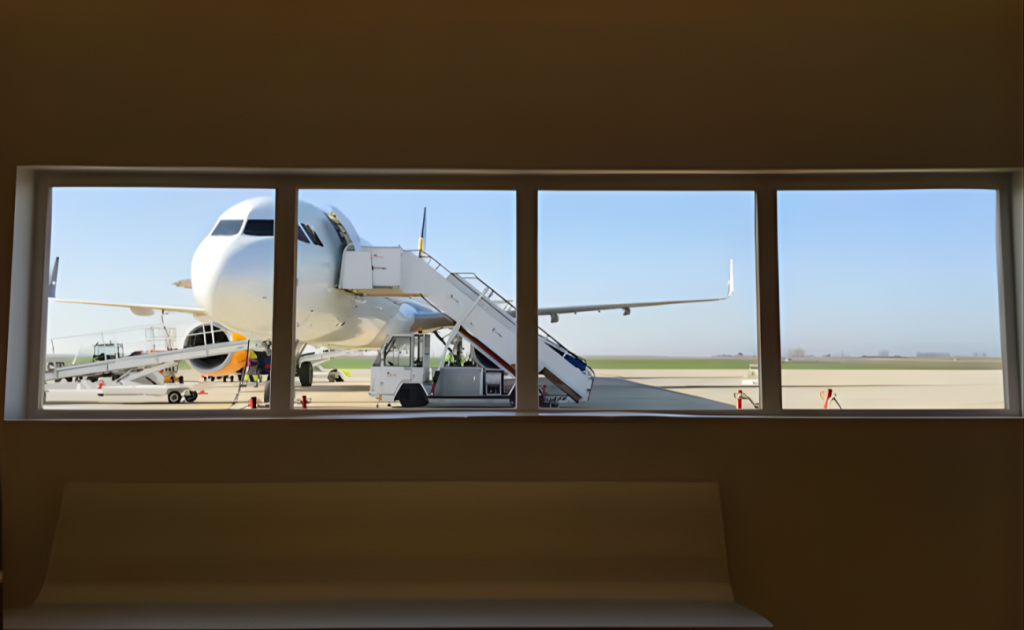
A gate request is not a plan; it’s a calculated long-shot that works best when the airline needs flexibility.
This method works when operations create a problem the airline solves by moving passengers forward. If there’s no operational need, most agents won’t have the authority or inventory to help.
Treat it as a bonus play, not your primary strategy, and you’ll avoid the frustration most travelers feel when it doesn’t happen.
Best Scenarios to Ask
- Economy is oversold and the airline needs seats
- Irregular operations (delays, cancellations, aircraft swaps)
- A legitimate comfort/space need (height, mobility), stated briefly
How to Ask (Do / Don’t)
Do
- Arrive early and ask before boarding starts
- Be concise, calm, and flexible
- Mention loyalty (if you have it) without demanding anything
Don’t
- Ask during boarding unless directed
- Complain about economy
- Suggest you “deserve” it
Three minutes of courtesy gets you further than any hack here. Gate agents respond to professionalism, not pressure.
Method 6: Bidding Programs (Discounted Lottery)
Many carriers let you bid for upgrades, usually within 72 hours of departure.
Bidding can be excellent value when the airline wants incremental revenue for seats that would otherwise go empty. It’s also risky if you bid too high and essentially pay near-full price.
The correct approach is to treat bidding like a controlled discount opportunity: set your ceiling before emotions kick in.
For official airline upgrade policies and current rules, see Delta Air Lines’ published upgrade guidance.
Bidding Program Snapshot
| Airline | Typical Bid Window | Typical Minimum Bid | Typical Success Range |
| Delta | ~72 hrs | $50–200 | 30–50% |
| United | ~72 hrs | $75–250 | 35–55% |
| Alaska (select) | Varies | $50–175 | 40–60% |
Bidding Rules That Prevent Overpaying
- Start minimum +10 to 20% on low-demand flights.
- Bid higher only if:
- the cabin looks open (seat map trend), and
- the airline’s cash offer is clearly inflated.
If you can’t explain why your bid beats the cash offer, don’t bid. You’re not trying to “win,” you’re trying to win at the right price.
Method 7: Leverage Companion Status
If you don’t have status, flying with someone who does can be the cleanest shortcut when airline rules allow it.
This works best when both travelers are on the same reservation and the airline explicitly supports companion upgrades. If you book separately, many airlines treat you as unrelated passengers.
The key is coordination: align flights, reservations, and fare types so the airline’s system actually recognizes you as eligible.
Companion Upgrade Reality (Varies a Lot)
| Airline | Companion Upgrades | Key Requirement |
| American | Often yes (limited) | Same reservation / same flight |
| Delta | Sometimes | Certificates or specific rules apply |
| United | Usually no | Don’t assume companion upgrades |
| Alaska | Yes (cert-based) | Elite uses guest upgrades |
If you travel with a status-holding friend or partner even a few times per year, this can outperform most “hacks” because you borrow priority instead of trying to manufacture it.
What First Class Is Actually Worth
Upgrades are only “wins” when the comfort benefit matches the flight length.
Short flights often don’t justify spending miles or cash unless the price is unusually low. Long flights, especially overnight segments, can be worth aggressive effort because rest has real value.
Use a simple rule: the longer the flight, the more rational it becomes to spend miles or money to upgrade.
Value Guide by Duration
| Flight Duration | Upgrade Worth Pursuing? | Practical Threshold |
| Under 2 hours | Only if free/cheap | Under ~$100 |
| 2–4 hours | Sometimes | Under ~$200 |
| 4–6 hours | Often | $200–400 |
| 6+ hours | Usually | $400–800 |
| Intl 8+ hours | Strongly | Up to ~$1,500 for lie-flat |
If you want an overview of which programs make upgrades and premium redemptions easiest, start with Best Airline Loyalty Programs in 2026.
Common Mistakes to Avoid
- Booking Basic Economy to save $30 and losing $300–$600 of upgrade access
- Waiting until the gate when upgrades typically clear earlier
- Spreading miles across multiple airlines and never earning meaningful priority
- Using miles on very short flights where comfort gains are marginal
Most upgrade frustration comes from misaligned expectations. Fixing fare type and timing solves more than chasing new tactics.
Upgrade success improves when you treat it as a repeatable system, not a one-off event.
Conclusion
First class upgrades in 2026 are predictable when you treat them as a system: eligibility, priority, timing. If you book upgrade-eligible fares, travel at lower-demand times, and use miles or status strategically, you can fly premium without paying full price.
When status isn’t available, miles upgrades and bidding programs offer strong value, especially on flights over four hours where comfort genuinely matters. Short flights rarely justify paying extra, but longer routes often do.
Avoid Basic Economy, fly mid-week when possible, and stack status, miles, and timing intentionally. Do that, and flying premium without paying premium prices becomes repeatable, not rare.
For more airline strategies, upgrade playbooks, and booking guides, visit TalkTravel
FAQs
Can you get upgraded to first class for free?
Yes most reliably through elite status on domestic routes, where upgrades are clear by tier and availability.
How much does it cost to upgrade with miles?
Commonly 15,000–25,000 miles domestically; longer routes and international upgrades can require more miles and may add fees.
Do premium credit cards guarantee upgrades?
No. They can improve tie-break position or provide certificates (airline-dependent), but status and inventory still decide outcomes.
Is paying cash ever worth it?
It can be on 6+ hour flights, especially if the cash offer is discounted relative to the fare difference and you’ll sleep or work.
Should I ever book Basic Economy if I want upgrades?
No. Basic Economy often blocks upgrade eligibility and can remove the main levers that make upgrades possible.