Introduction
Standing in the security line with your carefully packed lunch, you suddenly wonder if that jar of peanut butter will get confiscated. We’ve all been there. Understanding TSA food rules can mean the difference between enjoying your favorite snacks at 35,000 feet and watching them get tossed in the trash.
This complete guide breaks down exactly what food you can bring through TSA checkpoints in 2026, helping you pack smart and breeze through security without any surprises.
Understanding TSA Food Regulations
The Transportation Security Administration has specific guidelines about bringing food through airport security, and these rules have remained consistent since the 3-1-1 rule was introduced in 2006. According to TSA data, approximately 2.8 million passengers pass through security checkpoints daily in the United States. The good news is that most solid food items are perfectly fine to pack in your carry-on bag.
TSA officers have the final say on whether an item can pass through the checkpoint. They’re trained to identify potential security risks, and sometimes items that seem harmless to you might raise concerns. In 2023, TSA screened over 800 million passengers and confiscated approximately 6,542 firearms at checkpoints, highlighting how seriously they take security protocols.
The key principle to remember is straightforward:
- Solid foods are generally allowed without restrictions
- Liquids and gels must follow the 3-1-1 rule
- TSA officers make final determinations at the checkpoint
- Items that can be poured, pumped, spread, smeared, sprayed, or spilled are considered liquids
The 3-1-1 Liquid Rule for Food Items
The 3-1-1 rule governs all liquids, gels, and aerosols in your carry-on luggage. Each passenger can bring containers of 3.4 ounces (100 milliliters) or less, all fitting into one quart-sized, clear, plastic, zip-top bag. You’re limited to one bag per passenger, and it needs to be removed from your carry-on during screening.
This rule affects more food items than you might expect. The total container size matters, not just how much is actually inside. If your container holds more than 3.4 ounces, even if it’s only partially full, it won’t make it through security.
Common foods that count as liquids include:
- Yogurt, pudding, and custard
- Hummus, guacamole, and dips
- Soup and broth
- Honey, maple syrup, and molasses
- Salad dressing and marinades
- Salsa, pasta sauce, and gravy
- Creamy cheeses and spreads
Many travelers get caught off guard by items they don’t think of as liquids. TSA uses a simple test: if they can pour it, spread it, spray it, pump it, or spill it, they’ll treat it as a liquid. This consistency-based approach means that even canned goods with liquid content aren’t allowed in carry-on bags.
Foods You Can Bring Through TSA Security
Solid Foods Allowed in Carry-On Bags
Solid food items face minimal restrictions when going through TSA checkpoints. According to TSA guidelines, you can pack sandwiches, pizza, fresh fruit, vegetables, cookies, candy, chips, and baked goods without worrying about size limits. These items just need to be properly wrapped or contained to avoid making a mess during the screening process.
Bread products travel exceptionally well through security:
- Bagels, muffins, and croissants
- Dinner rolls and breadsticks
- Tortillas and pita bread
- Homemade or store-bought loaves
The same goes for most baked desserts like brownies, cakes, and pies. Just make sure any frosting or filling isn’t too creamy or liquid-like, or the TSA might question it. Whole fruits and raw vegetables pass through security without issue, making them ideal for health-conscious travelers looking to avoid expensive airport food options.
Snacks and Packaged Foods
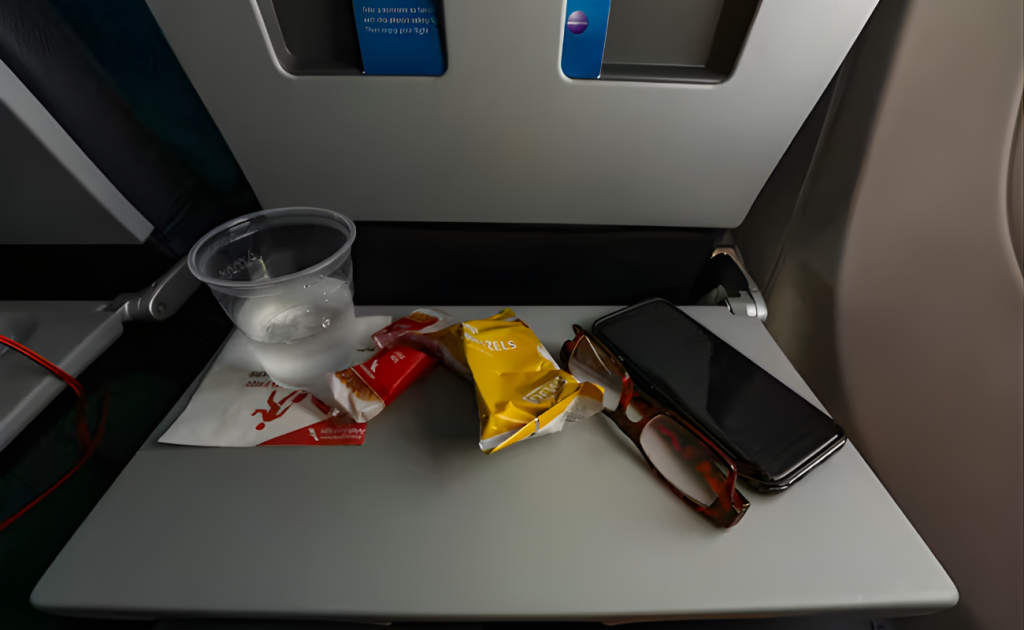
Pre-packaged snacks are the easiest foods to bring through TSA security. These items stay fresh without refrigeration and won’t create any mess in your bag if the packaging gets crushed. According to industry data, the average airport charges 30-40% more for snacks and beverages compared to outside retail prices, making it financially smart to bring your own.
Popular snack options that sail through security:
- Granola bars and protein bars
- Trail mix, nuts, and seeds
- Dried fruit and fruit leather
- Crackers, pretzels, and chips
- Popcorn (popped or kernels)
- Beef jerky and meat sticks
- Energy balls and protein bites
Candy and chocolate travel well in your carry-on, though you’ll want to be mindful of melting during summer months or in warm climates. Hard candies, gummies, and wrapped chocolates generally hold up better than chocolate bars that might soften. Sealed candy bags from the store work perfectly and take up minimal space in your luggage.
Beef jerky, protein snacks, and similar dried meat products are allowed through security. These high-protein options can be lifesavers on long flights or during delays when you need substantial food. If you’re wondering about size restrictions for containers and bags, our guide on carry-on luggage size limits and packing rules explains everything you need to know about TSA dimension requirements.
Fresh Produce and Vegetables
Most fresh fruits and vegetables can travel with you through TSA security checkpoints. The USDA reports that Americans consume approximately 128 pounds of fresh fruit per person annually, and many health-conscious travelers prefer bringing their own produce rather than relying on airport options.
Fresh produce that’s TSA-approved:
- Apples, pears, and stone fruits
- Citrus fruits (oranges, lemons, limes)
- Berries (strawberries, blueberries, raspberries)
- Grapes, cherries, and melons
- Bananas and plantains
Vegetable sticks make excellent travel snacks and pass through security without problems. Carrots, celery, bell peppers, cucumber slices, and cherry tomatoes are all allowed. Pre-cut vegetables from the grocery store in their original packaging work great, or you can prepare your own in reusable containers.
Some produce items require extra consideration. Avocados are allowed because they’re solid, but guacamole is not because it’s considered a spread. Whole tomatoes are fine, but salsa counts as a liquid. When in doubt, think about the texture and whether it holds its shape.
Sandwiches and Prepared Meals
Homemade sandwiches are completely acceptable in your carry-on bag. Whether you’re bringing a simple PB&J or an elaborate deli creation, TSA allows solid sandwiches through security. Just wrap them well to keep them fresh and prevent any condiments from leaking into your bag during the screening process.
Pre-made meals from home travel through security as long as they’re mostly solid:
- Pasta salad and grain bowls
- Rice dishes with solid ingredients
- Cut vegetables with solid dips
- Cold pizza slices
- Chicken strips or tenders
The key is avoiding excess liquid or sauce that might be questionable under the 3-1-1 rule. Pack dressings and sauces separately in 3.4-ounce containers if you want them with your meal. Restaurant leftovers can come along too, provided they meet the same solid food guidelines.
Consider how the food will hold up without refrigeration though. According to USDA food safety guidelines, perishable foods shouldn’t sit at room temperature for more than two hours, or one hour if temperatures exceed 90°F. Some items might not be safe to eat several hours later, especially in warmer weather or if you face significant delays.
Foods That Require Extra Consideration in 2026
Liquids, Gels, and Spreads
Anything spreadable or pourable falls under the 3-1-1 liquid rule, even if you don’t typically think of it as a liquid. This is one of the most common areas where travelers face confiscation at security checkpoints. TSA confiscates thousands of prohibited items daily, with liquids and gels being among the most frequent violations.
Common spreads restricted to 3.4 ounces:
- Peanut butter, almond butter, and Nutella
- Cream cheese and cheese spreads
- Jelly, jam, and preserves
- Honey and agave nectar
Condiments like ketchup, mustard, mayonnaise, and hot sauce are all considered liquids by TSA. If you want these items in your carry-on, buy travel-sized versions or transfer them into containers that meet size requirements. Otherwise, pack them in your checked luggage where liquid restrictions don’t apply.
Dips and sauces create frequent confusion at security checkpoints. Hummus, salsa, queso, ranch dressing, and similar items must follow the 3-1-1 rule for carry-on bags. Many travelers don’t realize these restrictions until they’re at the checkpoint, leading to frustration when favorite foods get confiscated.
Cheese and Dairy Products
Hard cheeses like cheddar, Swiss, gouda, and parmesan travel through TSA security without restrictions. These solid cheeses can be in blocks, slices, or pre-packaged portions. They’re excellent protein sources for travel and generally hold up well without immediate refrigeration for several hours.
Cheese classifications for TSA purposes:
- Solid/Hard: Cheddar, Swiss, Parmesan, Gouda (fully allowed)
- Semi-soft: Havarti, Monterey Jack (usually allowed if firm)
- Soft/Creamy: Brie, Camembert, Ricotta (3-1-1 rule applies)
- Spreadable: Cream cheese, cheese spreads (3-1-1 rule applies)
Soft and creamy cheeses face different treatment from TSA officers. Brie, camembert, ricotta, cottage cheese, and similar soft cheeses are often considered spreads or gels. If the cheese is spreadable or has a creamy consistency, it needs to follow the 3-1-1 liquid rule.
Yogurt, whether Greek or regular, definitely counts as a liquid under TSA rules. You can bring individual cups of 3.4 ounces or less in your quart-sized liquids bag. Larger containers need to go in checked luggage. The same applies to pudding, custard, and similar dairy desserts regardless of their packaging or consistency.
Canned and Jarred Foods
Canned goods are generally not allowed in carry-on bags because the liquid content inside exceeds 3.4 ounces. Even if the actual food inside is solid, like canned tuna or canned vegetables, TSA treats the entire can as a liquid because of any juice or brine.
Items that must go in checked luggage:
- Canned soups and stews
- Canned vegetables in brine
- Canned fruits in syrup
- Jarred pickles and olives
- Artichoke hearts in oil
Jarred foods follow similar logic to canned items. The container size and liquid content both exceed what’s allowed under the 3-1-1 rule. These items belong in checked luggage if you’re traveling with them.
Baby food presents an exception to standard liquid rules. You can bring reasonable quantities of baby food, formula, and breast milk through security, even in amounts greater than 3.4 ounces. According to TSA regulations updated in 2020, parents can bring enough baby food for the duration of their trip. These items need to be declared to TSA officers at the checkpoint for additional screening.
Ice Cream and Frozen Foods
Frozen foods create interesting scenarios at TSA checkpoints. If your ice cream, frozen yogurt, or similar item is completely frozen solid when you reach security, it’s technically allowed through. The catch is that it needs to be frozen solid, not slushy or partially melted, which means it counts as a solid item rather than a liquid.
Realistically, keeping ice cream frozen solid through airport security is extremely challenging. Most airports maintain temperatures between 70-75°F, security lines average 15-30 minutes during normal times, and you’ll likely wait before boarding. By the time you reach the checkpoint, your frozen treat might have started melting.
Guidelines for frozen items:
- Must be completely frozen solid at checkpoint
- Partially melted items are treated as liquids
- Dry ice is allowed in checked bags (up to 5.5 pounds)
- Gel ice packs must be frozen solid to pass through
Frozen gel packs and ice packs can travel with food in your carry-on if they’re completely frozen when you reach the checkpoint. Partially melted ice packs are treated as liquids and subject to the standard restrictions. If you’re traveling with perishable foods that need to stay cold, consider alternatives like buying ice at the airport after security.
Special Circumstances and Exceptions
Baby Food and Infant Formula
Parents traveling with infants and small children can bring reasonable quantities of baby food, formula, and breast milk through security. These items are exempt from the 3-1-1 liquid rule because TSA recognizes the necessity of feeding young children during travel. The definition of reasonable quantities depends on your flight length and needs, but TSA generally allows enough for the journey.
According to TSA’s official policy updated in March 2020:
- Formula, breast milk, and juice for infants are allowed in quantities greater than 3.4 ounces
- These items must be declared to TSA officers at the beginning of screening
- Items will undergo additional screening procedures
- You don’t need to travel with the baby to bring breast milk
You must inform TSA officers at the beginning of screening that you’re carrying baby food, formula, or breast milk. These items will undergo additional screening, which might include opening containers or testing for explosives. Officers might ask you to separate these items from your other belongings during the screening process.
Breast milk and formula don’t require you to be traveling with the baby to bring them through security. Mothers who are pumping and transporting milk home, or parents traveling ahead of their children, can still take advantage of these exceptions. Just declare the items and be prepared for the additional screening procedures that apply.
Medical and Dietary Needs
If you have diabetes, food allergies, or other medical conditions requiring specific foods, TSA allows you to bring medically necessary items through security. According to the Americans with Disabilities Act, reasonable accommodations must be made for passengers with medical needs. Juice boxes for managing blood sugar, special nutritional supplements, or allergen-free foods can exceed the 3-1-1 limits when medically necessary.
Medical food exceptions include:
- Liquid nutrition supplements (Ensure, Boost, etc.)
- Juice for managing diabetes
- Special dietary foods for celiac disease
- Allergen-free meals for severe allergies
- Prescription medical foods
Inform TSA officers about your medical needs at the checkpoint. Special dietary foods for conditions like celiac disease, severe food allergies, or other health issues are generally accommodated. While TSA doesn’t require documentation for these items, having a doctor’s note can help if questions arise.
Gel-based medications and nutritional supplements that are medically necessary can travel in reasonable quantities. These don’t count toward your quart-sized liquids bag limit. However, you’ll need to declare them separately and they may undergo additional screening. Being upfront about medical needs at the start of screening makes the process smoother for everyone involved.
International Travel Considerations
Bringing food through TSA security is only half the equation when you’re traveling internationally. While TSA might allow an item through security in the United States, customs and agriculture officials in your destination country might have strict rules about bringing food across borders.
According to U.S. Customs and Border Protection data, agricultural specialists intercept over 2,000 prohibited items daily at U.S. ports of entry. Many countries prohibit fresh fruits, vegetables, meats, and dairy products from entering to prevent the spread of agricultural pests and diseases. The official U.S. Customs and Border Protection website provides comprehensive lists of prohibited and restricted items for travelers entering the United States.
Key international food restrictions:
- European Union: Fresh produce and meat products generally prohibited
- Australia: Strict quarantine on all food items, heavy fines for violations
- New Zealand: Most fresh foods prohibited, includes packaged items with meat or dairy
- Japan: Fresh fruits and vegetables require phytosanitary certificates
When returning to the United States from international destinations, you’ll face U.S. Customs and Border Protection regulations in addition to foreign security rules. Most fruits, vegetables, plants, and meat products can’t be brought back into the country because of agricultural concerns. Even if you cleared security with these items abroad, you might have to discard them before re-entering the U.S.
Research the specific regulations for both your departure and arrival countries before packing food for international trips. The official U.S. Customs and Border Protection website provides detailed information about what you can and cannot bring into the United States. When in doubt, leave fresh food items at home or purchase them after clearing customs at your destination.
Foods Not Allowed Through TSA
Prohibited Liquid Foods
Any liquid or gel food item exceeding 3.4 ounces cannot go in your carry-on bag. This includes full-sized bottles of salad dressing, jars of pasta sauce, containers of soup, bottles of olive oil, and large yogurt containers. These items either need to be 3.4 ounces or less and fit in your liquids bag, or they need to go in checked luggage.
TSA screening statistics show that liquids are among the top five categories of items confiscated at security checkpoints daily. In 2023 alone, thousands of pounds of prohibited liquids were discarded at checkpoints nationwide.
Beverages prohibited in carry-on bags:
- Full water bottles (over 3.4 ounces)
- Juice boxes larger than 3.4 ounces
- Cans of soda or energy drinks
- Bottles of smoothies or protein shakes
- Coffee drinks from outside the airport
The only way to have drinks past security is buying them after the checkpoint or bringing empty reusable bottles to fill at water fountains. Many airports now feature bottle filling stations, with over 2,000 hydration stations installed across U.S. airports as of 2024.
Alcohol follows special rules beyond the standard liquid restrictions. You can bring mini bottles of alcohol (3.4 ounces or less) in your quart-sized liquids bag through security. However, FAA regulations prohibit passengers from consuming their own alcohol on commercial flights. Flight attendants must serve any alcohol consumed during the flight. Larger bottles of alcohol need to be packed in checked luggage with alcohol content not exceeding 70% ABV.
Fresh Produce Crossing State Lines
While TSA allows fresh produce through security checkpoints, you need to be aware of state agricultural regulations when traveling domestically. Hawaii, California, Florida, and some other states have restrictions on bringing certain fruits and vegetables across their borders to prevent the spread of agricultural pests and diseases.
If you’re traveling to Hawaii, you generally cannot bring most fresh fruits and vegetables with you, even though the TSA will let them through mainland security. The Hawaii Department of Agriculture enforces strict quarantine regulations to protect the islands’ unique ecosystem. Violating these rules can result in confiscation and fines up to $25,000 for serious violations.
State agricultural restrictions:
- Hawaii: Most fresh produce prohibited on arrival
- California: Restrictions on citrus, stone fruits, and certain vegetables
- Florida: Citrus and plant material regulations
- Arizona: Fresh produce inspections at border stations
When traveling from Hawaii to the mainland, you face similar restrictions. Agricultural inspection stations at Hawaiian airports will check your luggage and remove prohibited items before you board your flight to the mainland. Fresh flowers, plants, fruits, and vegetables may not be allowed to leave the islands depending on the specific item and destination state.
Packing Tips for Bringing Food Through TSA
Best Practices for Packing Food
Use clear, sealable containers for any food you’re bringing through security. This makes inspection easier if TSA officers need to examine your items and helps prevent spills or leaks in your bag. Clear containers also help you see what you’ve packed and quickly identify items if questioned at the checkpoint.
Research shows that organized packing can reduce security screening time by up to 30%. Pack food items near the top of your carry-on bag for easy access during screening. If TSA needs to inspect your food, you’ll save time by having it readily available rather than buried under clothes and other belongings.
Effective food packing strategies:
- Use clear containers for visibility
- Pack foods in top layer of carry-on
- Wrap sandwiches in foil or plastic wrap
- Use hard containers for crushable items
- Label containers if bringing multiple items
- Keep a small cooler bag for perishables
Wrap sandwiches and other prepared foods in aluminum foil or plastic wrap rather than leaving them loose in containers. This keeps them fresh and compact while taking up minimal space. For items that might get crushed, like chips or cookies, consider packing them in hard-sided containers or protective packaging.
Keeping Food Fresh During Travel
Ice packs can keep perishable foods cold in your carry-on, but remember they must be completely frozen solid when you go through security. Partially melted ice packs count as liquids and face the 3-1-1 restrictions. Frozen gel packs work better than loose ice, which will definitely melt and potentially leak in your bag.
According to food safety experts, perishable foods can safely remain at room temperature for up to two hours, or one hour when temperatures exceed 90°F. Plan your food choices based on your total travel time, including potential delays.
Temperature maintenance options:
- Frozen gel packs (must be solid at checkpoint)
- Insulated lunch bags
- Vacuum-sealed containers
- Buy ice after security
- Choose shelf-stable alternatives for long trips
Insulated lunch bags help maintain food temperature and protect items from getting crushed during travel. These bags fit easily inside most carry-on luggage and keep your food separate from other belongings. They also make it easier to pull out all your food items together if TSA needs to inspect them.
Consider the length of your journey when deciding what food to bring. Items that are safe at room temperature for several hours work better than foods that spoil quickly. If you’re carrying electronic devices alongside your snacks, be aware that certain battery types have their own restrictions, so reviewing guidelines for traveling with lithium batteries and power banks ensures all your carry-on items meet safety standards.
What to Do If Food Gets Confiscated
If TSA determines that a food item can’t go through security, you have several options. You can return to the ticket counter and check your bag with the item inside, throw the item away, give it to someone who isn’t traveling, or in some airports, mail it to yourself. Unfortunately, you cannot take prohibited items through the checkpoint regardless of their cost or sentimental value.
TSA data indicates that officers confiscate an average of 1.4 million prohibited items per month at checkpoints nationwide. Liquids and gels consistently rank among the most frequently confiscated categories.
Options when food is prohibited:
- Check your bag at the airline counter
- Dispose of the item at the checkpoint
- Give it to a non-traveling companion
- Mail it from an airport post office (if available)
- Consume it before entering the checkpoint
Don’t argue with TSA officers about food confiscation. They’re following federal regulations and don’t have discretion to make exceptions for individual passengers. Arguing wastes time, frustrates other travelers in line behind you, and won’t change the outcome. The best approach is accepting the situation and moving forward with your travel plans.
Learn from the experience and plan differently for future trips. If a particular food item got confiscated, either pack it in checked luggage next time, buy it after security, or purchase similar items at your destination. Many travelers discover that buying food after the checkpoint is more convenient than trying to bring everything from home.
Buying Food After TSA Security
Airport Food Options
Once you’re past security, you can purchase any food or beverage items without restrictions. Restaurants, cafes, convenience stores, and specialty food shops in airport terminals sell everything from full meals to snacks and drinks. These items can all come with you onto the plane regardless of size or liquid content since they were purchased in the secure area.
Many airports have significantly improved their food offerings in recent years. A 2023 survey found that 68% of major U.S. airports now feature local restaurants showcasing regional cuisine alongside national chains. Some airports even have farmers markets, artisan food shops, and upscale dining experiences that rival outside establishments.
Notable airport food improvements:
- Farm-to-gate fresh food programs
- Celebrity chef restaurant partnerships
- Grab-and-go healthy options
- Local craft beer and wine selections
- Dietary-specific menus (vegan, gluten-free, kosher)
Prices for airport food are typically higher than outside the airport, with markups averaging 15-30% according to airport commerce data. However, the convenience factor often makes it worthwhile. You can buy exactly what you want without worrying about TSA restrictions, and you’re supporting businesses that cater specifically to travelers. Some credit cards offer dining credits or lounge access that can offset these costs.
Bringing Purchased Food on the Plane
Food purchased after security screening can be brought onto the plane without any restrictions. This includes full bottles of water, large containers of soup, substantial sandwiches, and complete meals from airport restaurants. Flight attendants won’t have any issues with food you’ve purchased in the terminal.
FAA regulations allow passengers to bring any food purchased in the secure area of the airport onto the aircraft. This policy recognizes that food bought after security screening has already been vetted and poses no security risk.
Popular post-security food purchases:
- Full-sized water bottles (saves $3-5 per bottle)
- Restaurant meals to-go
- Fresh sandwiches and wraps
- Hot coffee and specialty drinks
- Snack boxes and meal deals
Ask for to-go containers if you’re dining at an airport restaurant but need to catch your flight before finishing. Most restaurants are happy to pack up your food so you can take it on the plane. This gives you restaurant-quality food for your flight without the stress of rushing through your meal.
Be considerate of other passengers when eating on the plane, especially strong-smelling foods. While you’re technically allowed to eat anything you’ve purchased, fish, certain ethnic foods, and other aromatic items might bother nearby passengers in the confined space. A 2024 airline passenger survey found that strong food odors ranked among the top five in-flight complaints. Using common sense about food choices helps create a more pleasant environment for everyone on board. Smart travelers often discover simple strategies that make their entire airport experience more efficient and less stressful. Whether you’re looking for security line shortcuts, terminal navigation tips, or ways to maximize comfort during layovers, proven airport hacks can transform stressful travel days into smooth journeys.
Table: Quick Reference Guide for Common Foods
| Food Item | Carry-On Allowed | Must Follow 3-1-1 Rule | Notes |
| Sandwiches | Yes | No | Solid foods are permitted |
| Fresh fruit | Yes | No | Whole or cut fruit allowed |
| Chips and crackers | Yes | No | Pre-packaged or homemade |
| Peanut butter | Limited | Yes | 3.4 oz or less only |
| Yogurt | Limited | Yes | 3.4 oz or less only |
| Hard cheese | Yes | No | Solid cheeses permitted |
| Soft cheese | Limited | Yes | Spreadable cheeses restricted |
| Salsa | Limited | Yes | 3.4 oz or less only |
| Hummus | Limited | Yes | 3.4 oz or less only |
| Cookies and candy | Yes | No | Solid sweets allowed |
| Ice cream | Depends | Varies | Must be completely frozen solid |
| Canned goods | No | N/A | Pack in checked luggage |
| Baby food | Yes | No | Exempt from 3-1-1 rule |
| Bottled water | No | N/A | Buy after security |
Making Your TSA Experience Smoother
Preparing Before You Leave Home
Research TSA food rules before you start packing. Spending five minutes understanding the regulations saves time and frustration at the airport. The official TSA website features a “What Can I Bring?” search function where you can type in specific food items to see if they’re allowed. This tool receives over 50,000 searches daily, demonstrating how many travelers seek clarity on TSA rules.
Make a packing list specifically for food items you want to bring:
- Check off items as you pack them
- Verify liquid measurements with measuring cups
- Test container seals to prevent leaks
- Consider total travel time for perishables
- Review destination country restrictions for international flights
This methodical approach prevents last-minute surprises when you’re already stressed about catching your flight. Organization reduces travel anxiety significantly and helps ensure nothing gets confiscated at security.
Consider your entire travel timeline when deciding what food to bring. Think about when you’ll eat, how long food will be unrefrigerated, and whether you’ll have access to refrigeration at your destination. Sometimes buying fresh food at your destination makes more sense than trying to transport it on the plane.
At the TSA Checkpoint
Arrive at the airport with enough time to handle any food-related delays at security. According to TSA data, average security wait times range from 15-30 minutes during normal periods, but can exceed 45 minutes during peak travel times. If TSA needs to inspect your food items or if something gets confiscated, you’ll want time to deal with the situation without missing your flight.
TSA recommends arrival times of:
- Two hours before domestic flights
- Three hours before international flights
- Additional 30-60 minutes during holiday periods
- Extra time if traveling through major hubs (LAX, JFK, ATL)
Place your liquids bag and any food items in a bin separate from your other belongings during screening. This makes inspection easier and speeds up the process. If you have a lot of food, mention it to the TSA officer before going through the scanner. Being proactive and cooperative helps everyone move through security more efficiently.
If the TSA pulls your bag for additional screening because of food items, stay calm and patient. Officers are doing their job to keep everyone safe. Answer questions honestly and help them locate specific items in your bag if needed. Most secondary screenings only take a few extra minutes and then you’re on your way.
TSA PreCheck and Food
Having TSA PreCheck doesn’t change what foods you can bring through security. The same rules about solids versus liquids apply regardless of your screening status. However, PreCheck members can leave food items in their bags during screening, which makes the process faster and more convenient.
As of 2024, over 20 million travelers are enrolled in TSA PreCheck. Program statistics show PreCheck members experience 95% faster security processing, with average wait times under five minutes. The program costs $78 for five years, which breaks down to approximately $15.60 per year.
TSA PreCheck benefits for food travelers:
- Leave food in bags during screening
- Keep liquids bag inside carry-on
- Faster overall processing time
- Reduced chance of food getting crushed
- Less handling of your belongings
TSA PreCheck members also keep their quart-sized liquids bag in their carry-on instead of removing it for screening. This doesn’t mean you can bring larger quantities of liquids. It just means you don’t have to pull out your liquids bag during the screening process. The 3-1-1 rule still applies to everyone.
The main advantage of PreCheck when traveling with food is the overall faster, less invasive screening process. You’ll spend less time in line and have a generally more relaxed experience going through security. For frequent travelers who often bring food, the annual TSA PreCheck fee pays for itself in convenience and time savings. Before enrolling, it’s worth comparing TSA PreCheck benefits with Global Entry and CLEAR to determine which trusted traveler program offers the best value for your specific travel patterns.
Conclusion
Bringing food through TSA security doesn’t have to be complicated when you understand the basic rules. Solid foods are generally allowed without restrictions, while liquids and gels must follow the 3-1-1 rule. Planning ahead and packing strategically means you can enjoy your favorite snacks and meals during your flight without any checkpoint drama.
The key to success is thinking about food consistency rather than categories. If an item can be poured, spread, pumped, or spilled, TSA will probably treat it as a liquid regardless of what the package says. When in doubt, pack questionable items in checked luggage or plan to buy them after security. Your taste buds and your schedule will both thank you for taking a few minutes to pack properly before heading to the airport.
For more expert travel tips, practical packing advice, and the latest airline updates, explore our complete collection of travel guides and resources.
Frequently Asked Questions
1) What foods are considered liquids by the TSA?
Anything you can pour, spread, pump, spray, or spill is treated as a liquid/gel for carry-on limits. That’s why dips, spreads, sauces, and creamy foods often get flagged.
2) Can you bring peanut butter through the TSA?
Yes, but in carry-on it must be 3.4 oz/100 ml or less. Larger jars should go in checked baggage.
3) Can you bring hummus, salsa, or guacamole through the TSA?
Yes, but only in carry-on if each container is 3.4 oz/100 ml or less and fits in your liquids bag.
4) Can you bring frozen food through the TSA?
Yes, only if it’s frozen solid at screening. If it’s slushy or melting, it’s treated as a liquid and must meet 3-1-1.
5) Can you bring food on an international flight?
You can usually carry it through TSA, but import rules at your destination may restrict meats, fresh produce, and other agricultural items. For entry to the U.S., CBP/USDA require you to declare food/agricultural products, and many fresh items are prohibited.