
You settle into your seat for a cross-country flight, try to recline, and nothing happens. Or worse, the seat back collapses into the passenger behind you. The tray table dangles uselessly, the entertainment screen stays black, or the seat cushion feels like sitting on plywood. Aircraft maintenance issues affect thousands of passengers daily.
U.S. airlines flew 853 million passengers in 2025, with industry estimates suggesting 2 to 4% of passengers encountered broken seat issues during their journeys. That translates to roughly 17 to 34 million incidents annually where seats failed to meet basic functionality standards. This guide explains what qualifies as a broken seat, your compensation rights, how to request seat swaps, airline-specific policies, documentation strategies, and escalation procedures when carriers refuse to make things right.
What Qualifies as a Broken or Defective Seat
Airlines maintain minimum standards for seat functionality, though definitions of acceptable conditions vary between carriers. A broken seat typically means equipment that fails to perform basic expected functions including reclining mechanisms, secure positioning, tray table operation, or entertainment system functionality. However, not every imperfection qualifies for compensation or seat changes.
The Federal Aviation Administration sets safety standards for aircraft seats but leaves comfort features to airline discretion. Seats must remain securely attached to the floor, contain functioning seatbelts, and maintain structural integrity during flight. Beyond these safety requirements, airlines decide what amenities they provide and how to handle equipment failures affecting passenger comfort.
Documentation matters significantly when claiming seat issues. Flight attendants log maintenance problems through internal reporting systems, creating records that support compensation claims. Without official reports, passengers face difficulty proving seat conditions after flights complete. Understanding what constitutes legitimate equipment failure versus normal wear helps set appropriate expectations for airline responses.
Common Seat Problems Passengers Encounter
Seat malfunctions range from minor inconveniences to significant comfort and safety concerns. The most frequently reported issues involve recline mechanisms that stick, refuse to lock in position, or recline too far backward. Industry data from 2025 shows recline problems account for approximately 42% of reported seat defects across major U.S. carriers.
- Recline mechanisms that jam completely preventing any angle adjustment throughout flight
- Seats stuck in reclined position causing discomfort for passengers behind affected seat
- Tray tables that won’t stay secured or fold properly making meals impossible
- Entertainment screens frozen, black, or unresponsive despite reset attempts
- Seat cushions compressed completely offering no padding against seat frame
- Armrests loose, broken, or missing entirely from seat assembly
- Power outlets and USB ports nonfunctional preventing device charging
- Reading lights burned out or switches broken making reading difficult
- Seat back pockets torn or missing reducing storage for personal items
Premium cabin seats encounter additional complexity with electric adjustments, massage functions, and sleeper configurations. Business class seats with lie-flat capabilities face mechanical failures preventing full recline, costing passengers thousands in comfort benefits they specifically purchased. First class suites with doors sometimes experience latch problems or privacy screen malfunctions affecting the premium experience. Knowing the best seats on aircraft types like the Boeing 737 helps avoid known problem areas, though even preferred seats sometimes fail.
Safety Issues Versus Comfort Problems
Airlines prioritize safety-related seat defects differently than comfort issues. Safety problems including broken seatbelts, seats that rock or move independently from the floor, or sharp edges exposing passengers to injury risk require immediate attention. Flight attendants must report these issues to the captain, who decides whether the aircraft can depart with the defective seat occupied or must be blocked from use.
The Minimum Equipment List for each aircraft type specifies which components can be inoperative without grounding the plane. Some entertainment system failures, recline mechanism problems, and cosmetic damage fall within acceptable limits for departure. Airlines can legally fly with these defects if they document the issues and plan repairs during scheduled maintenance windows.
Passengers assigned to seats with safety issues receive mandatory seat changes before takeoff. Airlines cannot board passengers in seats with broken seatbelts or structural defects affecting safety requirements. However, seats with comfort-only problems like broken recline or entertainment systems often remain available for assignment, leaving passengers to advocate for themselves if they want alternative seating.
Your Rights and Airline Obligations
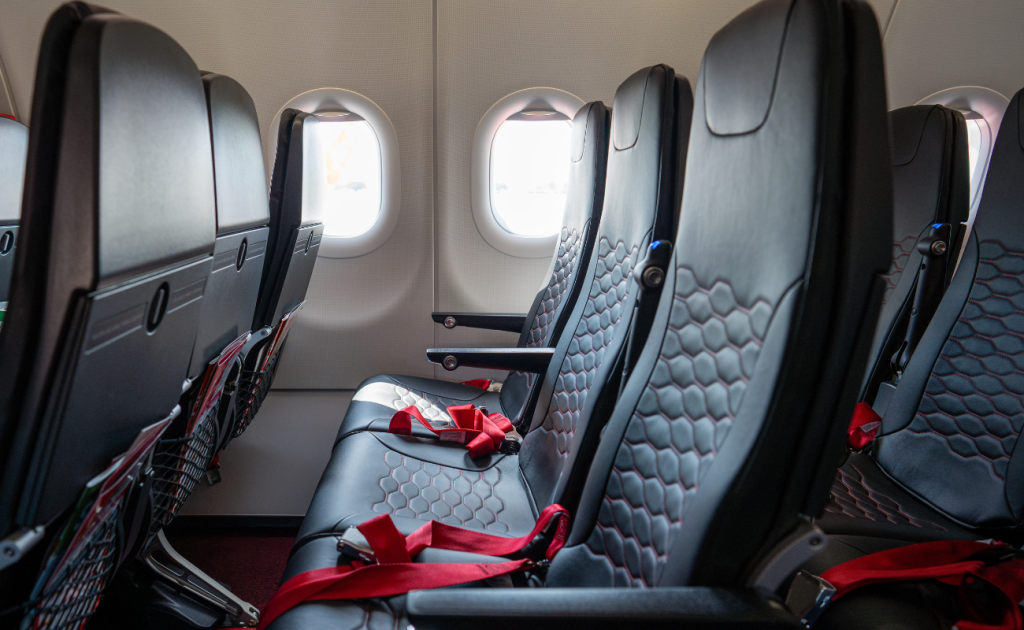
U.S. passenger rights for defective seats remain limited compared to other countries. The Department of Transportation requires airlines to provide safe transportation but stops short of mandating specific compensation for broken amenities. Airlines maintain individual policies determining how they handle seat defects, creating inconsistency across carriers.
Contract of carriage agreements govern airline responsibilities toward passengers. These legal documents outline what airlines owe customers when services fail to meet expectations. Most carriers promise to accommodate passengers in alternative seats when assigned seats contain defects, though enforcement varies significantly. The lack of standardized federal requirements means passenger experiences depend heavily on which airline they choose and individual crew discretion.
Compensation for seat defects typically comes through customer service channels after travel rather than immediate cash payments. Airlines offer mileage bonuses, flight credits, or refunds of seat upgrade fees depending on circumstances and passenger persistence. Understanding your baseline rights and typical compensation ranges helps negotiate effectively when equipment failures diminish your flight experience. Similar to passenger rights during delays and cancellations, seat defect compensation requires knowledge and documentation.
Federal Regulations on Seat Functionality
The FAA focuses aviation regulations on safety rather than passenger comfort. Federal Aviation Regulation Part 121.311 specifies structural requirements for passenger seats including attachment strength, cushion flammability, and emergency egress considerations. These rules ensure seats withstand crash forces and allow rapid evacuation but say nothing about recline functions, entertainment systems, or other comfort features.
The Department of Transportation issued enhanced passenger protection rules in recent years covering denied boarding, delays, and baggage issues. However, no specific regulations address broken seat amenities or mandate compensation for equipment failures. The DOT encourages airlines to maintain quality standards and handle passenger complaints fairly but leaves specific policies to carrier discretion.
European Union passenger rights provide stronger protections than U.S. regulations. EU261 requires airlines to provide comparable seating when booked seats fail to deliver promised features. Passengers flying between U.S. and European destinations on European carriers benefit from these stricter standards, receiving compensation more consistently than purely domestic U.S. flights.
What Airlines Legally Owe Passengers
Airlines must provide safe transportation in the class of service purchased. When seat defects prevent safe travel, carriers must reassign passengers to functioning seats or deny boarding with appropriate compensation. For comfort-related issues without safety implications, legal obligations become murkier and vary by airline contract of carriage terms.
| Issue Type | Airline Obligation | Typical Passenger Outcome |
| Broken seatbelt | Must provide functioning seat | Immediate seat swap guaranteed |
| Seat won’t recline | No legal requirement for swap | Swap if available, credit if not |
| Entertainment system broken | No legal obligation | Apology, maybe small credit |
| Paid upgrade seat broken | Must provide comparable seat | Upgrade refund if downgraded |
| Business class lie-flat fails | Should provide comparable seat | Partial refund or large credit |
Premium cabin passengers purchasing specific seat features hold stronger positions when equipment fails. Business class passengers paying $2,000 to $5,000 for lie-flat seats deserve functioning equipment matching their purchase. Airlines more readily compensate premium passengers both because of revenue considerations and contractual obligations to deliver advertised premium products.
How to Request a Seat Swap During Your Flight
Timing significantly affects seat swap success rates. Addressing issues before doors close provides maximum flexibility since gate agents can reassign seats and adjust boarding. Once aircraft push back from gates, options narrow to whatever seats remain empty after final boarding counts. Flight attendants handle seat swaps during flight but cannot access gate systems to make formal assignment changes.
Remaining calm and polite dramatically improves cooperation from airline staff. Flight attendants and gate agents deal with frustrated passengers constantly and respond more positively to respectful requests than angry demands. Clearly explaining problems without exaggeration helps crew understand issues and identify appropriate solutions within their authority.
Documentation starts the moment you discover seat problems. Photograph or video broken features showing clearly what fails to function properly. Note the time you reported issues to crew and names of staff members you spoke with. These details become crucial if post-flight compensation claims require evidence supporting your experience. Understanding how to identify different window seat types helps when requesting specific alternative seats during swaps.
When to Report Seat Issues to Crew
Report seat problems immediately upon discovering them, ideally before aircraft doors close for departure. Early reporting gives gate agents time to reassign seats without delaying departure or disrupting other passengers. Gate agents access more seating options and system tools than flight attendants, making pre-departure resolution easier.
- Test seat functions during boarding including recline, tray table, entertainment system, and power outlets.
- Alert flight attendants immediately if problems exist before aircraft doors close.
- Request gate agent assistance for formal seat reassignment through aircraft systems.
- Document issues with photos or videos showing defective features clearly.
- Ask crew to log maintenance reports creating official records of seat condition.
- Get crew member names and flight details for post-flight compensation claims.
Some passengers hesitate reporting minor issues to avoid seeming difficult or causing delays. However, airlines cannot address problems they do not know about, and unreported defects rarely generate compensation. Crew members expect seat problem reports and appreciate learning about maintenance issues requiring attention. Your report benefits future passengers by flagging equipment needing repair.
What to Say When Requesting a Swap
Effective communication increases seat swap success rates significantly. Start by calmly describing the specific problem without dramatization. State factually what does not work such as the seat will not recline despite trying multiple times or the entertainment screen remains completely black and unresponsive. Avoid emotional language focusing instead on concrete functional failures.
Acknowledge constraints flight attendants face while requesting reasonable accommodation. Phrases like I understand the flight appears full, but is there any possibility of moving to a functioning seat to show awareness and cooperation. Ask whether empty seats exist in your cabin before requesting upgrades to avoid seeming opportunistic about equipment failures.
Reference premium purchases or loyalty status when relevant to your request. Mentioning I paid an extra $89 for this premium economy seat specifically for the recline or I am a Gold status member traveling for a business meeting establishes legitimate expectations for functioning equipment. Crew members more readily accommodate passengers who invested extra money or demonstrate airline loyalty through frequent flying.
Compensation Options by Airline
Major U.S. carriers maintain varying policies for compensating passengers affected by broken seats. No standardized industry approach exists, creating confusion for travelers trying to understand what they deserve. Airlines evaluate compensation based on severity of defect, cabin class, ticket price, passenger status, and specific circumstances surrounding equipment failure.
Compensation typically comes as mileage credits, travel vouchers, or partial fare refunds rather than cash payments. Airlines prefer offering future travel incentives that keep customers within their ecosystem rather than paying money back. The value of compensation correlates with ticket price and elite status, with premium cabin passengers and frequent flyers receiving more generous offers.
Persistence significantly impacts compensation amounts. Initial customer service responses often provide minimal goodwill gestures like 2,500 to 5,000 bonus miles. Escalating complaints to supervisors or filing DOT complaints sometimes increases compensation to $100 to $300 vouchers or substantial mileage deposits. Understanding typical compensation ranges helps assess whether offers fairly address your experience.
American Airlines Broken Seat Policies
American Airlines handles broken seat issues through its contract of carriage and customer relations department. The carrier commits to providing safe transportation in the purchased class of service but maintains discretion over compensation for comfort-related defects. American flight crews can reassign passengers to alternative seats when available, prioritizing safety issues over amenity failures.
Compensation for broken seats at American typically ranges from 5,000 to 15,000 AAdvantage miles for economy passengers or $100 to $200 vouchers depending on flight length and problem severity. Premium cabin passengers facing equipment failures receive more substantial compensation including partial fare refunds, future upgrade certificates, or 25,000 to 50,000 bonus miles. Executive Platinum and Platinum Pro elite members often receive enhanced compensation reflecting their status value.
American refunds seat selection fees and upgrade costs when paid seats fail to deliver advertised features. Passengers purchasing Main Cabin Extra or Premium Economy seats with broken recline mechanisms receive automatic refunds of selection fees ranging from $20 to $190 per segment. Business class passengers unable to use lie-flat features due to mechanical failures sometimes receive 50% ticket refunds or equivalent credit. Recent developments covered in American Airlines changes for 2026 may affect how the carrier handles seat defect compensation going forward.
Delta Air Lines Seat Defect Compensation
Delta approaches seat issues through its customer commitment program emphasizing proactive problem resolution. The airline trains flight attendants to address equipment problems immediately and empowers crew to offer compensation on the spot for significant issues. Delta aims to resolve passenger concerns before requiring formal complaints through customer service channels.
Standard compensation at Delta includes 7,500 to 12,500 SkyMiles for economy seat problems or $75 to $150 eCredits depending on circumstances. Comfort Plus passengers receive guaranteed refunds of upgrade fees plus 10,000 to 15,000 bonus miles. Delta One business class passengers facing broken lie-flat seats or other premium feature failures receive substantial compensation often reaching $500 to $1,000 credits or 50,000 to 75,000 SkyMiles.
Delta Medallion members benefit from enhanced compensation reflecting elite status. Diamond and Platinum members reporting seat issues typically receive more generous offers without extensive negotiation. The airline’s focus on customer satisfaction metrics motivates accommodating high-value frequent flyers quickly to maintain loyalty. Delta’s proactive approach means passengers often receive compensation offers without explicitly requesting them.
United Airlines Equipment Failure Policies
United maintains formal procedures for handling seat defects through its passenger service team. The carrier distinguishes between safety-related issues requiring immediate attention and comfort problems addressed through post-flight compensation. United flight attendants document equipment failures through maintenance reporting systems creating records supporting passenger claims.
Economy passengers at United typically receive 5,000 to 10,000 MileagePlus miles for seat problems or $50 to $100 travel credits. Economy Plus passengers get refunds of upgrade fees ranging from $29 to $199 plus 7,500 to 12,500 bonus miles. United Polaris business class passengers facing equipment failures receive significant compensation including partial fare refunds, upgrade certificates for future flights, or 40,000 to 60,000 MileagePlus miles.
| Cabin Class | Typical Mileage Credit | Voucher Alternative |
| Basic Economy | 3,000 to 7,500 miles | $25 to $75 credit |
| Economy | 5,000 to 10,000 miles | $50 to $100 credit |
| Economy Plus | 7,500 to 12,500 miles | $100 to $175 credit |
| United Polaris Business | 40,000 to 60,000 miles | $400 to $800 credit |
| United First | 25,000 to 40,000 miles | $250 to $500 credit |
Premier status levels influence compensation significantly at United. Premier 1K members often receive double the standard compensation for equivalent issues compared to non-elite passengers. The airline’s revenue-based loyalty program creates strong incentives to satisfy high-spending frequent flyers through generous problem resolution.
Southwest Airlines Seat Problem Handling
Southwest’s open seating model creates different dynamics for broken seat issues. Passengers discovering seat problems can simply move to alternative seats without requiring crew approval or system changes. This flexibility reduces complaints since affected passengers self-resolve issues by choosing different seats. However, full flights eliminate this advantage when no better seats remain available.
Southwest offers Rapid Rewards points as primary compensation for seat defects rather than vouchers. Typical awards range from 3,000 to 8,000 points for economy seat issues depending on flight length and problem severity. The airline lacks premium cabins, so compensation variance stems mainly from flight duration and whether passengers purchased upgraded boarding or early bird check-in.
The carrier’s customer-friendly reputation extends to handling seat complaints fairly without extensive escalation. Southwest empowers front-line staff to offer compensation for acknowledged problems, reducing bureaucracy compared to some competitors. A-List and A-List Preferred members receive priority consideration though all passengers generally experience consistent treatment reflecting Southwest’s egalitarian service philosophy.
Documenting Seat Issues for Compensation Claims
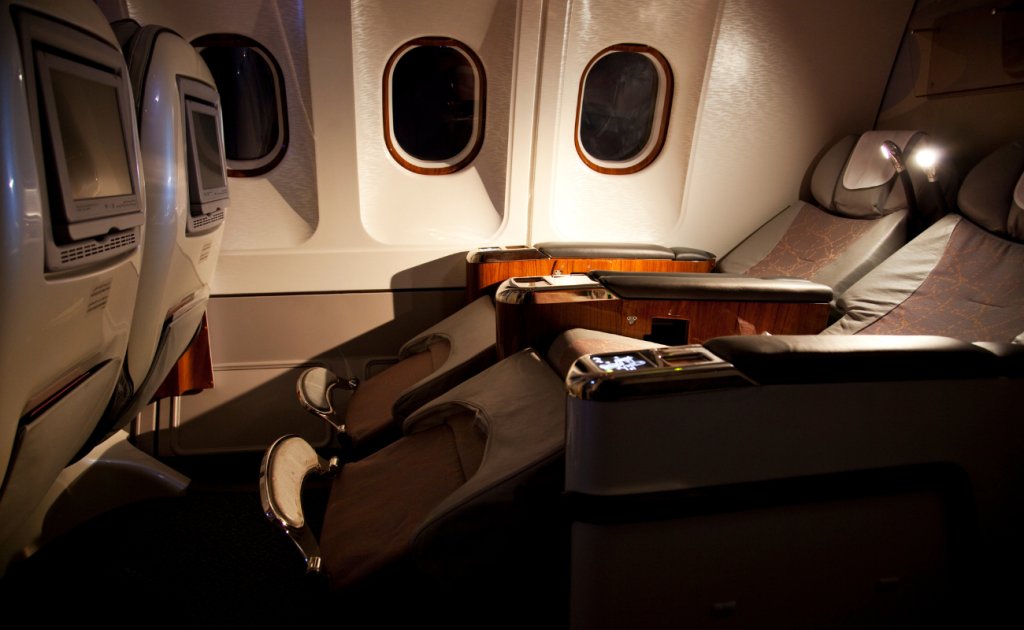
Evidence significantly strengthens compensation claims when airlines question whether seat defects existed or affected your experience. Without documentation, claims become your word against airline records that may not reflect problems accurately. Building a comprehensive evidence file during flights protects your interests and increases compensation likelihood.
Modern smartphones make documentation simple through photos and videos capturing broken equipment clearly. Focus on showing specific defects like jammed recline buttons, blank entertainment screens, or damaged components. Include context showing seat numbers visible in shots so airlines can verify problems against maintenance records for that specific seat.
Written notes complement visual documentation by recording timelines and crew interactions. Note when you discovered problems, which crew members you reported issues to, and what responses you received. These details matter when filing formal complaints or escalating cases through customer relations departments or regulatory agencies.
What Evidence Airlines Actually Accept
Airlines primarily rely on internal crew reports and maintenance logs when evaluating compensation claims. Flight attendant documentation through electronic reporting systems carries more weight than passenger photos or videos. However, visual evidence helps when crew reports are missing, incomplete, or contradict your account of events.
- Photos showing broken features with seat numbers clearly visible in frame
- Videos demonstrating nonfunctional recline, tray tables, or other mechanical failures
- Screenshots of blank or frozen entertainment screens showing error messages
- Boarding pass showing your assigned seat matching documentation of defects
- Written contemporaneous notes with timestamps, crew names, and problem descriptions
- Email confirmations or receipts for paid seat upgrades affected by equipment failures
Request that flight attendants file formal maintenance reports when you report problems. Ask for confirmation that crew logged your complaint and note the crew member’s name who took the report. These internal reports create official airline records supporting your claims and trigger maintenance actions for repairs.
Filing Complaints After Your Flight
Submit compensation claims through airline customer service channels within 24 to 48 hours while details remain fresh. Most carriers maintain online complaint forms or customer relations email addresses specifically for handling post-flight issues. Include all relevant documentation, clearly describe problems encountered, and specify what resolution you seek.
Initial responses typically arrive within 3 to 7 business days, though complex cases take longer. Airlines often offer standard compensation reflecting problem severity without negotiation. If initial offers seem inadequate, politely request reconsideration with additional context about how issues affected your travel. Reference loyalty status, ticket cost, and trip purpose to strengthen your case.
Social media complaints sometimes accelerate resolution when traditional channels move slowly. Tag official airline accounts on Twitter or Facebook with concise problem descriptions and request assistance. Airlines monitor social platforms closely and often respond quickly to public complaints. However, maintain a professional tone even on social media since aggressive posts rarely improve outcomes.
When Premium Seats Fail to Deliver
Passengers paying premium prices for upgraded seats hold stronger positions when equipment fails. Business class tickets costing $3,000 to $8,000 or first class seats reaching $15,000 on international routes create explicit contracts for specific amenities. Broken lie-flat mechanisms, nonfunctional massage features, or failed privacy doors deny passengers expensive products they specifically purchased.
Airlines recognize legal and reputation risks from failing to deliver premium products as advertised. Customer service departments typically offer substantial compensation for premium cabin equipment failures without extensive negotiation. Partial ticket refunds ranging from 25% to 50% of premium cabin upgrades occur regularly when major features fail completely.
Some passengers successfully demand downgrades to functioning economy seats with full refunds of premium cabin costs. This strategy works particularly well when alternative premium seats remain unavailable and staying in broken premium seats offers no advantage over economy. Airlines prefer keeping revenue by offering generous compensation but will refund premium differentials when pressed by determined passengers.
Business Class Lie-Flat Seat Failures
Lie-flat seats represent the primary feature differentiating business class from economy on long-haul flights. Passengers specifically purchase business class for sleeping capability during overnight transcontinental or international flights. Mechanical failures preventing full recline eliminate the core value proposition justifying premium fares.
Airlines should reassign passengers to functioning business class seats when available before departure. Once airborne with full cabins, options narrow considerably. Flight attendants can attempt mechanical adjustments but lack tools or expertise for significant repairs. Passengers stuck in broken lie-flat seats on 10-hour flights deserve substantial compensation reflecting degraded experience.
Typical compensation for broken business class lie-flat seats ranges from $500 to $1,500 vouchers or 50,000 to 100,000 frequent flyer miles. International flights warrant higher compensation than domestic routes given longer duration and greater impact. Some airlines offer upgrade certificates for future flights or partial ticket refunds when lie-flat failures significantly diminish premium cabin value.
First Class Suite Equipment Problems
First class suites on premium international routes include complex features like closing doors, personal entertainment systems, premium bedding, and elaborate control panels. Equipment failures in these ultra-premium products create particularly strong compensation claims given ticket costs often exceeding $15,000 for international long-haul routes.
Suite door failures eliminating privacy represent significant defects warranting major compensation. Passengers pay premium prices specifically for enclosed private space during flights. Entertainment system failures matter less in first class where personal devices substitute easily, but they still warrant acknowledgment given advertised amenities. Reading light or power outlet problems seem minor but accumulate with other issues creating substandard experiences.
First class passengers assertively demand appropriate compensation reflecting ticket investments. Appropriate resolutions include 50% to 75% partial refunds, 100,000 to 200,000 bonus miles, confirmed upgrade certificates for future travel, or invitations to airline’s highest elite tiers. Airlines protect ultra-premium reputations by generously compensating first class equipment failures since these passengers represent highest-value customer segments.
Budget Airlines and No-Frills Service
Ultra-low-cost carriers maintain different approaches to seat defects than legacy airlines. Budget carriers strip amenities to minimum viable levels, charging separately for features legacy carriers include. This business model affects how Spirit, Frontier, and Allegiant handle equipment problems since fewer included amenities mean fewer things that can break.
Many budget airline seats lack recline functionality entirely by design rather than defect. Spirit and Frontier install pre-reclined seats optimizing space and reducing mechanical complexity. Passengers cannot complain about broken recline when seats never reclined in the first place. This reality highlights the importance of researching specific aircraft and seat types before booking budget carriers.
Budget airlines generally offer minimal compensation for seat issues given rock-bottom ticket prices. A $39 base fare legitimately limits compensation expectations compared to $400 legacy carrier tickets. However, passengers purchasing Big Front Seats or other premium budget options deserve appropriate compensation when paid upgrades fail to deliver advertised features. Understanding the full picture of flying economy class in 2026 including budget carrier realities helps set appropriate expectations.
International Flights and Different Standards
International passenger rights vary dramatically by jurisdiction and route. European Union regulations provide stronger protections than U.S. rules for passengers flying European carriers or routes touching EU airports. Asian and Middle Eastern carriers follow home country standards which sometimes exceed Western protections.
EU261 regulations require airlines to provide comparable seating when booked seats fail to deliver advertised features on flights departing from or arriving at European airports. Passengers flying European carriers benefit from these protections regardless of citizenship. The regulations create standardized compensation frameworks reducing ambiguity compared to U.S. case-by-case approaches.
Middle Eastern premium carriers including Emirates, Qatar Airways, and Etihad maintain reputations for generous problem resolution reflecting their luxury positioning. These airlines typically offer substantial compensation for equipment failures without extensive bureaucracy. Their premium pricing strategies and brand positioning create strong incentives to maintain customer satisfaction through proactive problem solving.
Escalating Unresolved Complaints
Some airlines refuse reasonable compensation despite documented seat problems. When customer service departments deny legitimate claims or offer inadequate resolutions, escalation becomes necessary. Multiple channels exist for pressing complaints beyond front-line customer service teams.
The Department of Transportation maintains consumer complaint systems for unresolved airline service issues. Filing DOT complaints creates regulatory scrutiny that airlines want to avoid. Carriers respond to DOT inquiries within mandated timeframes, often offering improved compensation to resolve complaints satisfactorily and close regulatory cases.
Credit card dispute processes provide another escalation path when airlines refuse refunds for defective products. Chargeback rights allow passengers to dispute charges for services not delivered as purchased. Credit card companies investigate disputes and may reverse charges when evidence supports claims that airlines failed to deliver contracted services. However, disputing charges damages customer relationships with airlines and risks loyalty program account closures.
Filing DOT Complaints
The Department of Transportation Aviation Consumer Protection division handles passenger complaints against airlines. The process begins at the DOT Aviation Consumer Protection website where passengers submit detailed complaint forms. Include flight information, problem descriptions, airline responses received, and desired resolutions. Attach supporting documentation including photos, emails, and receipts.
DOT complaints trigger formal airline responses within 60 days. Airlines must investigate claims and provide detailed explanations of their positions. The regulatory oversight often motivates airlines to offer reasonable compensation avoiding prolonged disputes. While DOT cannot force specific compensation amounts, the complaints create paper trails and regulatory pressure encouraging fair resolution.
File DOT complaints only after exhausting direct airline resolution channels. The department expects passengers to attempt working with carriers first before seeking regulatory intervention. Document all your attempts to resolve issues directly including dates, representatives contacted, and offers received. This background strengthens DOT complaints by showing good faith efforts that airlines rejected unreasonably.
Conclusion: Protecting Your Comfort and Your Rights
Broken airline seats create frustrating travel experiences that airlines should address appropriately. Understanding what qualifies as legitimate equipment defects versus normal wear, knowing compensation standards by carrier, and documenting issues thoroughly positions you for successful claims. The process requires persistence since airlines rarely offer optimal compensation without negotiation.
Prevention remains the best strategy through smart booking choices. Research specific aircraft types and seat models before purchasing tickets, particularly when buying premium products. Read recent passenger reviews about seat conditions on your specific route. Choose airlines with strong customer service reputations and generous compensation policies when problems arise.
The landscape continues evolving as airlines balance maintenance costs against customer satisfaction. Newer aircraft with advanced seats create more potential failure points despite improved overall reliability. Staying informed about your rights and typical compensation ranges empowers effective advocacy when equipment fails. Your voice matters in pushing airlines toward fair treatment and appropriate problem resolution.
Want to make every flight smoother and understand your passenger rights? Explore our comprehensive travel guides and airline tips covering everything from seat selection to compensation claims and airport navigation.
Frequently Asked Questions About Broken Airline Seats
Can I get a refund if my seat doesn’t recline?
Airlines rarely provide full refunds for non-reclining seats but typically offer partial compensation through travel vouchers or frequent flyer miles. Standard compensation ranges from $50 to $150 vouchers or 5,000 to 15,000 miles depending on carrier and flight length. Passengers who paid extra for premium economy or other upgraded seats with advertised recline should receive refunds of upgrade fees ranging from $20 to $190 per segment. Document the issue with photos and crew reports, then file claims through customer service channels after your flight.
What should I do immediately when I discover my seat is broken?
Report seat problems to flight attendants immediately before aircraft doors close for maximum resolution options. Gate agents can reassign seats more easily than flight crew once boarding completes. Take photos or videos clearly showing the defect and including visible seat numbers. Request that crew file formal maintenance reports creating official airline records. Ask for crew member names and confirmation that they logged your complaint. These immediate actions document issues and increase compensation likelihood compared to waiting until after your flight.
Do airlines have to move me to a different seat if mine is broken?
Airlines must reassign passengers when seat defects create safety issues like broken seatbelts or structural problems. For comfort issues including broken recline or entertainment systems, airlines should reassign passengers to better seats when available but have no legal obligation to do so. Full flights eliminate swap options leaving compensation as the only remedy. Gate agents control seat assignments before departure and can move passengers more easily than flight attendants during flight. Safety-related defects receive immediate attention while comfort problems depend on available alternatives and crew discretion.
How much compensation can I expect for a broken business class seat?
Business class broken seat compensation typically ranges from $400 to $1,500 vouchers or 40,000 to 100,000 frequent flyer miles depending on the airline and severity of defect. Broken lie-flat mechanisms on long-haul flights warrant the highest compensation since passengers specifically purchased that feature. International flights justify more compensation than domestic routes given longer duration and greater impact. Some airlines offer partial ticket refunds of 25% to 50% for significant premium cabin equipment failures. Elite status members often receive enhanced compensation reflecting their customer value.
Will budget airlines compensate for broken seats?
Budget airlines typically offer minimal compensation for broken seats given extremely low base fares. Many ultra-low-cost carrier seats lack recline by design rather than defect, so broken recline complaints do not apply. When legitimate equipment failures occur, budget carriers may offer $25 to $75 vouchers or small mileage bonuses. Passengers who purchased Big Front Seats, premium options, or other paid upgrades deserve refunds of those specific fees when advertised features fail. Set compensation expectations proportional to ticket prices paid at budget carriers.
Can I file a DOT complaint about a broken airline seat?
Yes, you can file Department of Transportation complaints about inadequate airline responses to broken seat issues. Submit complaints through the DOT Aviation Consumer Protection website after exhausting direct resolution attempts with the airline. Include detailed problem descriptions, documentation, airline responses received, and desired outcomes. Airlines must respond to DOT inquiries within 60 days. While DOT cannot mandate specific compensation amounts, the regulatory oversight often motivates airlines to offer reasonable resolutions. DOT complaints work best for significant defects or clearly unreasonable airline responses.
What evidence do I need to prove my seat was broken?
Collect photos or videos showing specific defects clearly with seat numbers visible in frames. Screenshot frozen entertainment screens displaying error messages. Save boarding passes proving your seat assignment. Write contemporaneous notes with timestamps, crew names, and problem descriptions. Request that flight attendants file maintenance reports and get confirmation they logged your complaint. Keep receipts or confirmations for any paid seat upgrades affected by equipment failures. This documentation strengthens compensation claims when airlines question whether problems existed or impacted your experience significantly.