Introduction
Boeing vs Airbus in 2026 is no longer just an airline industry debate; it directly affects how comfortable, quiet, and stress-free your flight feels. From cabin noise and seat comfort to delays and aircraft reliability, passengers are experiencing real differences depending on which manufacturer built the plane.
This guide breaks down Boeing vs Airbus using verified performance data, recent passenger metrics, and aircraft-specific analysis to answer one question travelers actually care about: which planes feel better to fly today?
Tabular overview: Boeing vs Airbus for passengers in 2026
| Category | Boeing | Airbus |
| Cabin noise | Improved but uneven | Consistently quieter |
| Cabin width | Narrower on most models | Wider across most fleets |
| Seat comfort | Airline-dependent | Slight edge overall |
| Reliability | Model-specific issues | Strong operational consistency |
| Delay resilience | Mixed | Slightly better on average |
| Long-haul comfort | Strong on 787 | Strong on A350 |
| Short-haul comfort | Adequate | Generally better |
Boeing vs Airbus passenger comfort: what actually matters in 2026
Passenger comfort is not about brand loyalty. It comes down to three measurable factors: cabin width, air pressure and humidity, and noise levels. These elements shape fatigue, stress, and overall flight satisfaction more than branding ever will.
In 2026, Airbus aircraft maintain a small but consistent edge in perceived comfort across economy and premium cabins. Boeing has narrowed the gap on newer widebody jets, but the difference remains noticeable on short- and medium-haul flights.
The emotional takeaway is simple. On similar routes and airlines, Airbus aircraft tend to feel calmer and less exhausting, especially for frequent flyers and long-haul travelers.
Cabin width comparison: Boeing vs Airbus seating comfort
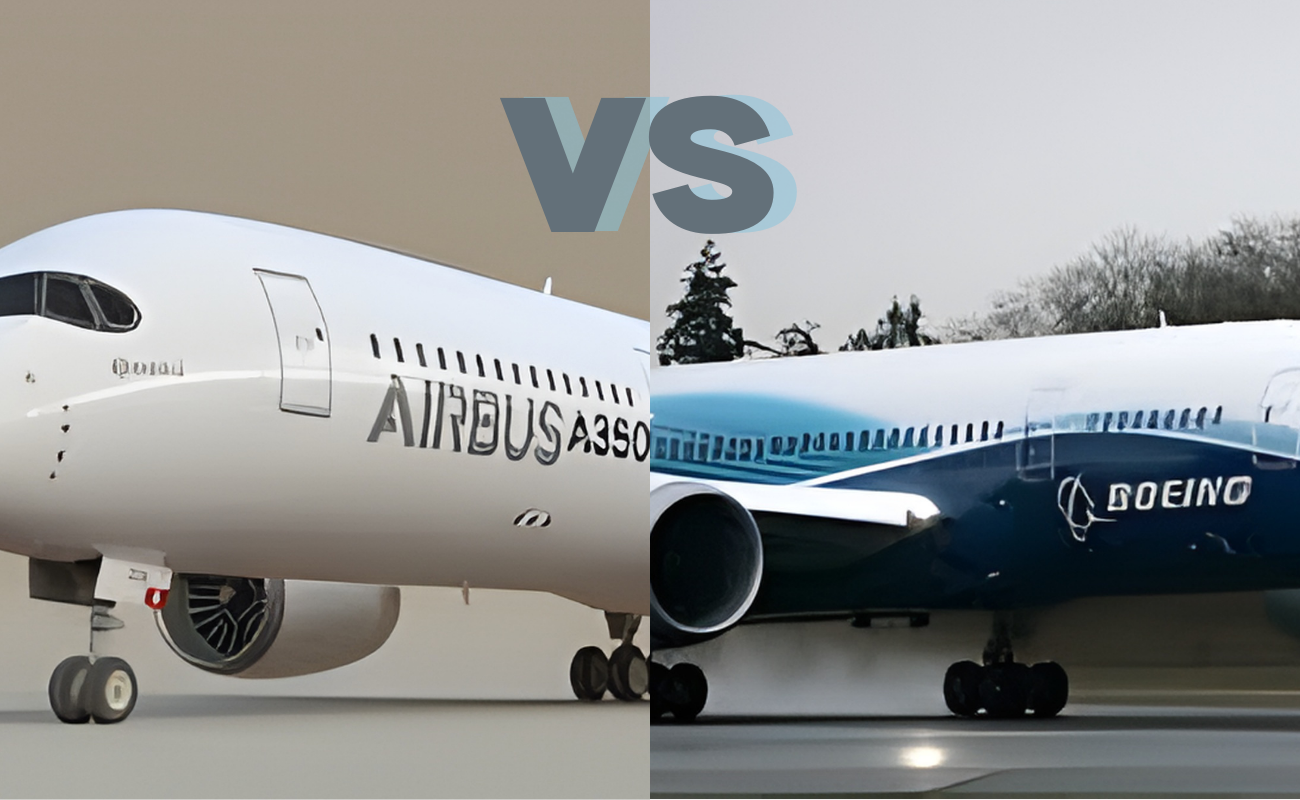
Cabin width directly impacts shoulder room, aisle space, and seat ergonomics. Airbus designs generally offer wider fuselages, giving airlines more flexibility to install slightly wider seats without sacrificing aisle space.
Typical interior cabin widths:
- Boeing 737: approx. 3.54 meters
- Airbus A320 family: approx. 3.70 meters
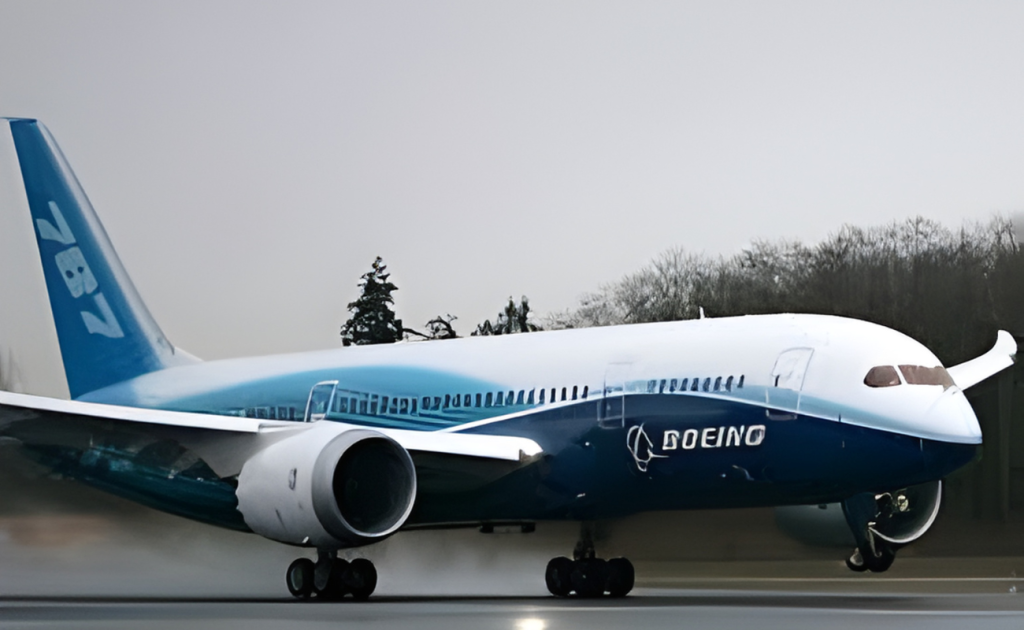
- Boeing 787: approx. 5.49 meters
- Airbus A350: approx. 5.61 meters
That difference may sound small, but in economy class it often translates to tighter shoulders and armrest competition on Boeing narrowbodies. On crowded routes, this difference is one of the most common passenger complaints.
Airlines can configure cabins however they choose, but wider fuselages give Airbus a structural advantage that shows up in real-world comfort.
Seat comfort in economy class: Boeing vs Airbus experience
Seat comfort is influenced more by airline configuration than manufacturer design, but aircraft layout still matters. Airbus narrowbodies allow slightly wider seat options without reducing aisle width, which improves comfort on full flights.
On Boeing aircraft, airlines often compensate for narrower cabins by thinning seat padding or tightening pitch. This is especially noticeable on high-density 737 MAX configurations used by low-cost carriers.
For travelers flying budget airlines or high-density routes, aircraft choice can make as much difference as airline choice. That’s why guides comparing airlines like this Spirit Airlines review often mention aircraft type alongside service quality.
Cabin noise levels: which planes are quieter for passengers?
Noise fatigue is one of the most underrated aspects of flight comfort. Airbus has consistently invested in acoustic insulation and quieter airflow designs, especially on the A320neo and A350 families.
Measured cabin noise averages:
- Airbus A320neo: approx. 2 to 4 dB quieter than older A320ceo
- Boeing 737 MAX: quieter than NG but still louder than A320neo
- Airbus A350: among the quietest widebodies in service
- Boeing 787: very quiet, especially mid-cabin
On long-haul flights, lower noise reduces fatigue and improves sleep quality. This is one reason many frequent travelers subjectively prefer Airbus widebodies for overnight routes.
Air pressure and humidity: fatigue factors passengers feel
Both Boeing and Airbus improved cabin pressurization in newer aircraft, but Airbus retains an edge in consistency. Lower cabin altitude and higher humidity reduce dehydration, headaches, and jet lag symptoms.
Boeing 787 introduced composite fuselage benefits first, allowing lower cabin altitude around 6,000 feet. Airbus matched and refined this on the A350, with similar pressurization and humidity levels.
On older narrowbodies, Airbus tends to maintain more stable cabin environments, especially on short-haul flights where rapid climb and descent stress passengers.
Reliability metrics: Boeing vs Airbus aircraft performance
Reliability matters most when flights go wrong. Dispatch reliability measures how often an aircraft departs without delay due to technical issues.
In 2026:
- Airbus A320 family continues to show strong dispatch reliability above 99%
- Airbus A350 maintains one of the best long-haul reliability records
- Boeing 787 reliability improved significantly post-2023 maintenance resets
- Boeing 737 MAX reliability varies widely by airline and maintenance quality
Aircraft reliability affects passengers even when flights operate normally. Less technical disruption means fewer gate changes, fewer last-minute delays, and smoother operations overall.
For travelers concerned about disruptions, understanding your rights during delays is essential, especially when equipment changes are involved.
Safety perception vs safety data: clearing the confusion
Both Boeing and Airbus aircraft meet strict international safety standards. Statistically, flying remains one of the safest forms of transport regardless of manufacturer.
However, passenger trust matters. Boeing faced reputational damage following 737 MAX incidents and subsequent quality-control concerns. Airbus has avoided similar high-profile crises, which influences public confidence even when safety metrics converge.
For authoritative safety oversight, regulatory transparency from bodies like the FAA provides verified safety data and certification standards.
Short-haul flights: Airbus advantage in daily comfort
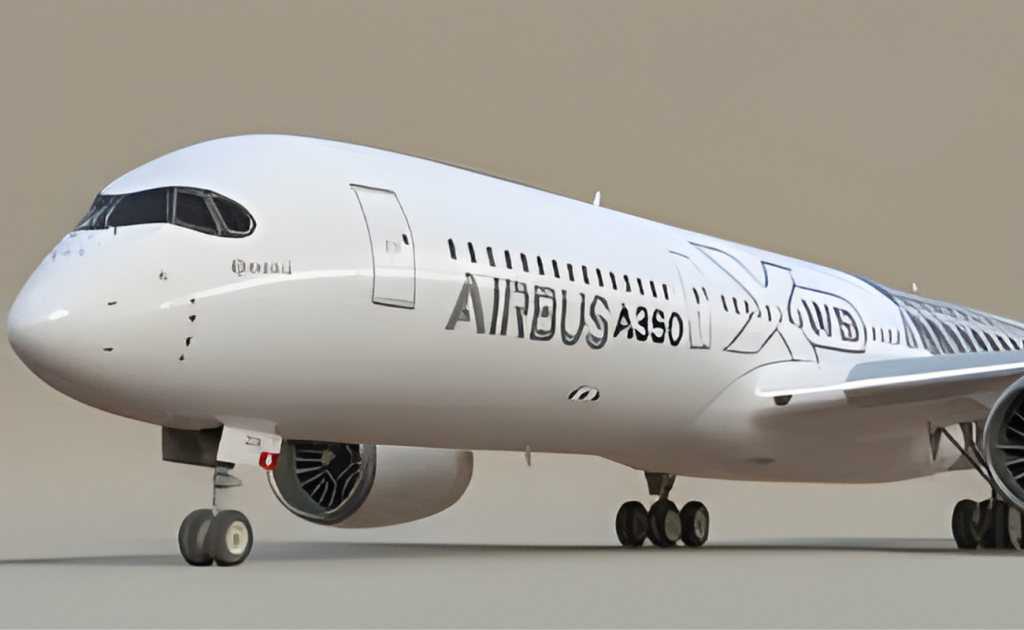
On flights under four hours, cabin noise, seat width, and boarding efficiency dominate passenger experience. Airbus narrowbodies consistently score higher in passenger comfort surveys on these routes.
The A320neo family’s quieter engines and wider cabin reduce fatigue, especially on early morning or late-night flights. Boeing’s 737 MAX narrowed the gap, but tighter cabin dimensions still affect comfort during full flights.
If you’re flying regional or domestic routes frequently, aircraft type can matter as much as loyalty status.
Long-haul flights: Boeing vs Airbus widebody comfort
On long-haul routes, both manufacturers perform exceptionally well. The Boeing 787 and Airbus A350 are among the most passenger-friendly aircraft ever built.
Key differences:
- Boeing 787 feels slightly narrower but offers excellent air quality
- Airbus A350 feels more spacious and quieter overall
- Both support high-end cabin designs for premium economy and business class
Frequent long-haul travelers often report less fatigue on Airbus A350 flights, particularly in economy class where shoulder space and cabin calm matter more over time.
Airline configuration matters more than branding
Passengers often blame Boeing or Airbus for discomfort that actually comes from airline decisions. Seat pitch, padding, recline, and service policies are airline-controlled variables.
This is where loyalty programs come into play. Airlines that invest in better cabin layouts and passenger experience tend to reward loyal flyers more consistently, regardless of aircraft type.
Choosing airlines with passenger-first configurations often matters more than choosing Boeing vs Airbus alone.
Delays and operational resilience by manufacturer
When weather, congestion, or maintenance issues hit, some aircraft recover faster. Airbus fleets show slightly better recovery metrics due to standardized parts and global support infrastructure.
Boeing’s widebody support has improved, but narrowbody operations still vary heavily by region and airline. Operational resilience directly affects missed connections and rebooking stress.
Passengers flying complex itineraries benefit from aircraft with strong global support networks.
Environmental comfort and sustainability perception
Sustainability impacts passenger perception even if it doesn’t directly affect seat comfort. Airbus markets stronger fuel efficiency messaging, especially on A320neo and A350 platforms.
Boeing aircraft are competitive on fuel burn, but Airbus communicates sustainability more clearly to consumers, influencing brand trust.
For environmentally conscious travelers, perception influences satisfaction as much as actual emissions metrics.
Verdict table: which passengers benefit most from each?
| Passenger type | Better choice |
| Short-haul frequent flyers | Airbus |
| Noise-sensitive travelers | Airbus |
| Long-haul economy flyers | Airbus A350 |
| Premium cabin travelers | Tie |
| Airline-loyal travelers | Airline matters more |
| Budget travelers | Depends on configuration |
Final verdict: Boeing vs Airbus in 2026
In 2026, Airbus aircraft generally feel more comfortable, quieter, and operationally consistent for passengers, especially in economy class and short-haul flying. Boeing remains highly competitive on long-haul routes, particularly with the 787, but suffers from uneven passenger experience across narrowbody fleets.
The emotional truth is that Airbus planes often feel calmer and more forgiving. The factual truth is that airline configuration still matters most. Smart travelers check aircraft type, airline layout, and route history before booking.
If you want deeper, practical travel insights that help you fly smarter not just cheaper explore more expert aviation guides at TalkTravel.
FAQs
Are Airbus planes more comfortable than Boeing?
On average, yes. Airbus planes offer wider cabins and lower noise levels, which most passengers perceive as more comfortable.
Which is safer, Boeing or Airbus?
Both manufacturers meet strict international safety standards. Statistically, both are equally safe to fly.
Are Boeing planes louder than Airbus?
Generally yes, especially on narrowbody aircraft. Airbus A320neo models are quieter than Boeing 737 MAX aircraft on similar routes.
Which aircraft is best for long flights?
Both the Boeing 787 and Airbus A350 are excellent. Many passengers find the A350 slightly quieter and more spacious.
Does aircraft type matter more than airline?
Aircraft type matters, but airline configuration and service policies often have a bigger impact on overall comfort.
Why do some Boeing flights feel more cramped?
Boeing narrowbodies have narrower fuselages, giving airlines less flexibility in seat width and aisle space.
Is Airbus more reliable than Boeing?
Recent operational data shows Airbus fleets with slightly higher dispatch reliability, especially on short-haul routes.
Can passengers choose Airbus or Boeing when booking?
Some booking engines list aircraft type, but last-minute equipment changes are common, so it’s not guaranteed.