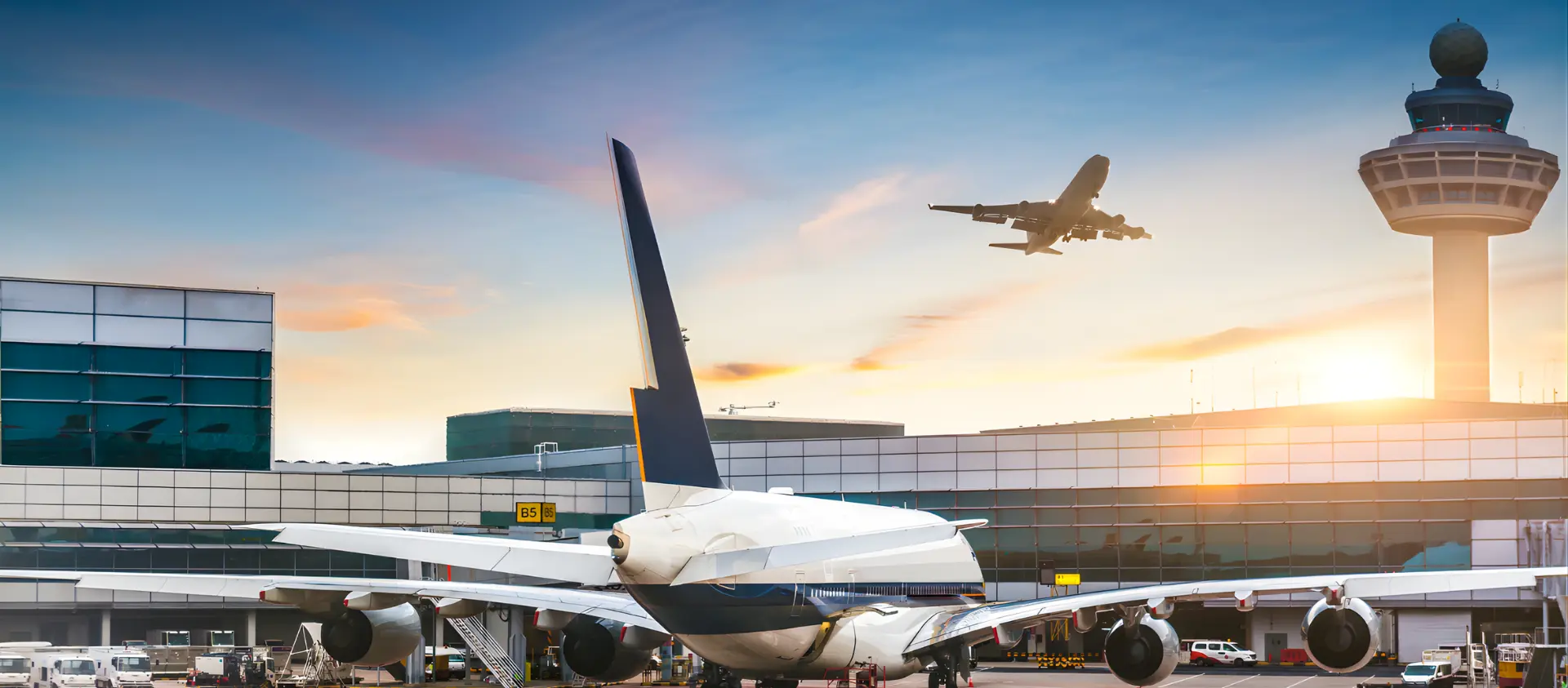
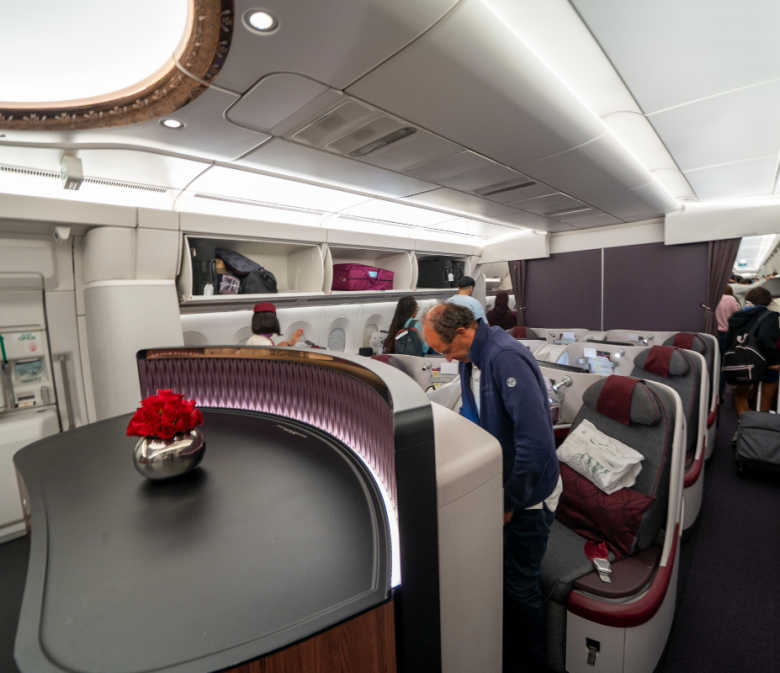
The idea is tempting. You wait. You watch prices climb. Then, at the last moment, airlines panic and slash fares. It feels logical, almost cinematic, and many travelers still believe this is how international airfare works.
In 2026, the reality is more complicated. Sometimes last-minute international flights are cheaper. More often, they are not. Understanding why requires looking at how airlines price seats today, what has changed in recent years, and how traveler behavior influences algorithms.
Why This Question Still Matters in 2026
International travel has become more flexible, but also more unpredictable. Remote work, family emergencies, and sudden opportunities mean people book flights closer to departure than before. At the same time, airfare feels more volatile, with prices changing daily or even hourly.
This creates anxiety. Travelers worry they booked too early and overpaid, or waited too long and missed a deal. The question of whether last-minute flights are cheaper is not just about saving money. It is about control and confidence when planning travel.
In 2026, answering this question honestly means separating old myths from how airline pricing systems actually work today.
How Airline Pricing Really Works in 2026
Airlines no longer price tickets manually or emotionally. In 2026, pricing is driven almost entirely by algorithms that respond to demand, booking patterns, historical data, and remaining seat inventory.
Every seat on an aircraft is assigned a fare class. As seats sell, cheaper fare classes disappear. When demand is high, prices rise automatically. When demand is low, airlines may release cheaper fares to stimulate bookings.
The key point is this: airlines do not discount seats because the flight is close to departure. They discount seats when they believe a lower price will sell more tickets than a higher one.
Why the Old “Last-Minute Deal” Myth Came From Somewhere
The belief in last-minute deals did not come out of nowhere. Years ago, airlines sometimes discounted unsold seats close to departure, especially on international routes with lower demand forecasting accuracy.
Back then, airlines had fewer data points and less precise demand modeling. Empty seats represented lost revenue, and last-minute discounts helped fill planes.
In 2026, airlines are much better at predicting demand. Planes fly fuller, and pricing systems are designed to maximize revenue, not occupancy alone. This has changed the odds dramatically.
When Last-Minute International Flights Can Be Cheaper
There are still scenarios where booking late can work. These cases are the exception, not the rule, but they do exist.
One situation is low-demand routes during off-peak seasons. If an airline misjudges demand and seats remain unsold, prices may drop close to departure. This is more common on secondary international routes or during shoulder seasons.
Another scenario involves new routes. Airlines sometimes experiment with pricing to build awareness and traffic. If early sales are weak, last-minute discounts may appear.
The third situation involves flexible travelers who can choose among multiple airports, dates, and airlines. Flexibility increases the chance of finding a late deal, but it also requires accepting uncertainty.
When Last-Minute International Flights Are Almost Always More Expensive
For most travelers in 2026, last-minute international flights cost more, not less. This is especially true for popular routes, peak seasons, and travel tied to school holidays or major events.
Business-heavy routes often see higher last-minute prices because airlines know corporate travelers book late and pay more. Leisure-heavy routes during peak travel periods follow the same pattern.
Family travel is particularly vulnerable to high last-minute pricing. Finding multiple seats together becomes harder as departure approaches, and remaining fares are usually expensive. Planning ahead matters even more when traveling with children. This guide explains how seating and airline policies affect family travel in 2026.
The Role of Airline Revenue Management Systems
Revenue management systems are the core reason last-minute flights are rarely cheap. These systems continuously adjust prices based on how likely each remaining seat is to sell at a given price.
If a flight is filling up as expected, prices rise. If sales slow unexpectedly, prices may stabilize or drop slightly. However, dramatic last-minute discounts are rare because airlines prefer to protect perceived value and future pricing behavior.
In 2026, airlines also factor in competitor pricing, fuel costs, and geopolitical conditions, making pricing even more dynamic.
Does Booking Last Minute Ever Make Sense Financially
Booking last minute can make sense if you value time and flexibility over price certainty. Some travelers accept higher fares in exchange for spontaneity or urgent travel needs.
Miles and points can also change the equation. Award pricing sometimes behaves differently from cash pricing, making last-minute redemptions more reasonable in certain programs.
However, relying on last-minute cash fares as a money-saving strategy is risky in 2026.
How Fare Prediction Tools Influence Perception
Many travelers use fare prediction tools and alerts. These tools analyze historical data and suggest when to buy, but they cannot predict sudden changes in demand or airline strategy.
In 2026, these tools are helpful but not authoritative. They should guide decisions, not replace judgment.
One widely used fare comparison and trend analysis tool is Google Flights, which provides historical price ranges and alerts for international routes.
The Psychological Trap of Waiting
Waiting for prices to drop feels proactive, but it often creates stress. Travelers check prices daily, second-guess decisions, and feel regret no matter what happens.
Booking earlier offers something that last-minute deals rarely provide: peace of mind. Knowing your flight is secured allows you to plan the rest of the trip confidently.
This psychological benefit is often overlooked when comparing prices.
How Baggage and Fees Change the Equation
Last-minute fares are often restrictive. They may exclude checked baggage, seat selection, or flexibility. When fees are added, the total cost can exceed that of an earlier booking.
Understanding baggage policies helps avoid surprises. This guide explains what happens when baggage is delayed or lost and how airline policies work.
Comparing total trip cost, not just base fare, is essential in 2026.
Packing Strategy Matters More With Late Bookings
Late bookings leave less time to adjust packing strategy. Restricted fares may force travelers to pack lighter or pay extra for baggage.
Packing well does not make flights cheaper, but it prevents them from becoming more expensive.
Sustainability and Flight Pricing in 2026
Sustainability is beginning to influence flight pricing, though subtly. Airlines factor fuel efficiency, route optimization, and aircraft utilization into pricing models.
Flights operated by newer, more efficient aircraft may be priced differently due to lower operating costs. Understanding these trends helps explain why some routes behave differently than expected.
For a deeper look at how sustainability affects aviation decisions, this overview explains current industry shifts.
Smarter Alternatives to Last-Minute Booking
Instead of waiting until the last minute, travelers in 2026 benefit from setting price alerts early and booking when fares fall within a reasonable range.
Another strategy is booking refundable or flexible tickets earlier, then rebooking if prices drop. This requires attention to fare rules but offers both security and opportunity.
Using miles strategically for last-minute needs also reduces risk.
Who Should Never Rely on Last-Minute International Flights
Families, travelers with fixed dates, and those with limited airport options should avoid relying on last-minute deals. The risk of high prices and limited availability is simply too great.
Travelers with visa requirements or complex itineraries also benefit from early booking to avoid complications.
Last-minute strategies work best for solo travelers with high flexibility and tolerance for uncertainty.
Conclusion
In 2026, last-minute international flights are rarely cheaper by default. While occasional deals exist, they depend on specific conditions that most travelers cannot control.
Airline pricing systems reward early commitment, flexibility, and informed decision-making. Booking earlier provides not just better odds of lower prices, but also confidence, choice, and reduced stress.
For travelers who value clarity over gambling, understanding how pricing works is more powerful than chasing last-minute myths.
For more practical, data-driven travel guidance, explore talktravel
FAQs: Last-Minute International Flights in 2026
Are last-minute international flights cheaper
Sometimes, but rarely. In most cases, international flights are more expensive closer to departure.
When do international flight prices usually drop
Prices may drop during low-demand periods or when airlines misjudge demand, but this is unpredictable.
Is it better to book international flights early or late
For most travelers, booking earlier offers better prices, more options, and less stress.
Do airlines lower prices the day before departure
Usually no. Airlines raise prices when demand is strong and only lower them if seats are unlikely to sell.
Are last-minute flights cheaper with miles
Sometimes. Award pricing can behave differently from cash fares, making last-minute redemptions more reasonable in certain programs.
How far in advance should I book international flights in 2026
For most routes, booking two to six months in advance provides the best balance of price and availability.