
Introduction
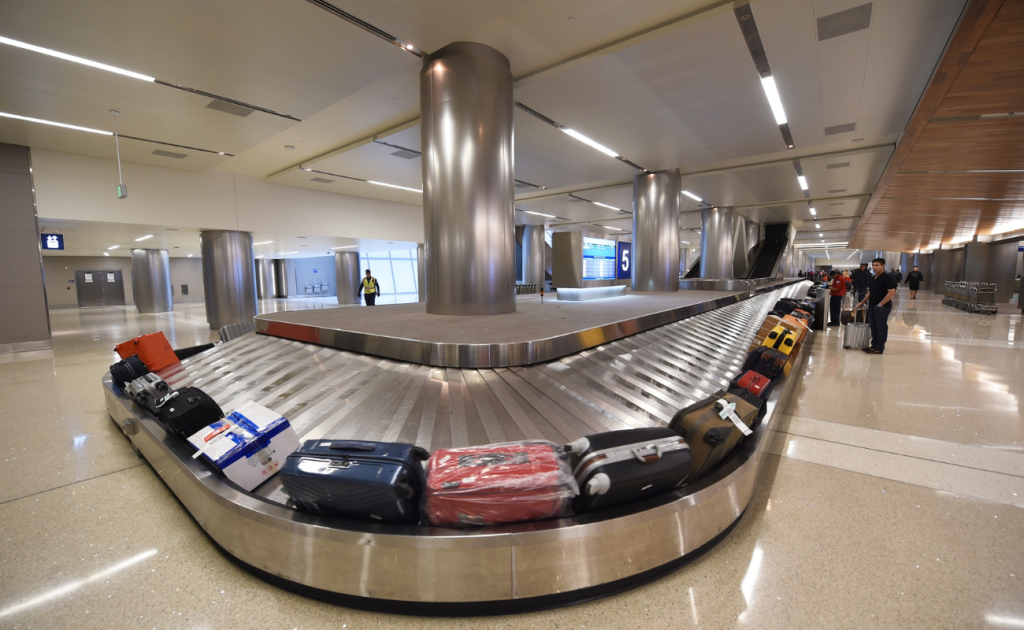
Your luggage didn’t arrive with you at the baggage carousel. The panic sets in as you realize you’re heading to a business meeting or family vacation without your belongings. This frustrating scenario happens more often than you’d think, with airlines mishandling 33.4 million bags globally in 2024 alone.
The good news is that airlines must compensate you for delayed, lost, or damaged luggage. Understanding your rights and the claim process can mean the difference between a minor inconvenience and a financial burden. This guide breaks down exactly what you’re entitled to, how much airlines must pay, and the steps to get compensated fast.
Understanding Airline Baggage Compensation Basics
Airlines operate under strict regulations that require them to compensate passengers when baggage goes wrong. The amount you can claim and the process you follow depends on whether you’re flying domestically within the United States or traveling internationally.
The compensation system exists because airlines assume responsibility for your checked bags from the moment you hand them over at check-in until you pick them up at your destination. When they fail to deliver your bags intact and on time, they’re legally obligated to make it right. However, these obligations come with specific limits and requirements that passengers need to understand.
Different rules govern different flight types. Domestic flights within the US fall under Department of Transportation regulations, while international flights are covered by the Montreal Convention, a treaty ratified by 140 countries. These frameworks establish maximum liability limits, claim deadlines, and reimbursement procedures.
Domestic Flight Compensation Limits
How Much Can You Claim on US Flights?
For flights within the United States, the Department of Transportation sets a maximum compensation limit of $4,700 per passenger for delayed, lost, or damaged baggage. This represents the ceiling of what airlines must pay, though they can choose to offer more if they wish.
The $4,700 limit covers the depreciated value of your belongings, not their replacement cost. Airlines calculate compensation based on what your items were worth at the time of loss, considering age and wear. You’ll need receipts, photos, or other proof of ownership to support your claim for the full amount.
Airlines must reimburse you for reasonable incidental expenses if your bags are delayed. This includes essential items like toiletries, medications, and clothing that you need to purchase while waiting for your luggage. Keep every receipt from these emergency purchases because you’ll need them to file your claim.
What Expenses Count as Reimbursable?
Airlines cannot impose arbitrary daily limits on delayed baggage reimbursement. If you need to spend $150 on essential items because your bag is delayed, the airline cannot refuse payment because it exceeds a $50 daily cap. Your expenses must be reasonable and verifiable with receipts.
Essential items typically include:
- Toiletries and personal hygiene products
- Underwear and basic clothing items
- Prescription medications if packed in checked luggage
- Essential business items for work-related travel
- Baby supplies including diapers and formula
Non-essential purchases like electronics, luxury items, or expensive clothing usually won’t be covered. Stick to basics that you genuinely need during the delay period.
Baggage Fee Refunds for Delayed Luggage
The DOT requires airlines to automatically refund checked baggage fees if your luggage is significantly delayed. For domestic flights, you’re entitled to a refund if your bag doesn’t arrive within 12 hours of your flight’s arrival at the gate. The refund must be processed within 7 business days for credit card payments or 20 calendar days for other payment methods.
This automatic refund rule took effect in 2024 and applies regardless of whether you file a formal complaint. Airlines must proactively identify delayed bags and issue refunds without passengers having to request them. However, it’s wise to verify that you received the refund on your statement.
International Flight Compensation Under Montreal Convention
Updated 2026 Compensation Limits
International flights follow the Montreal Convention, which establishes liability limits in Special Drawing Rights (SDRs), an international currency unit. As of December 28, 2024, the limit increased to 1,519 SDRs per passenger, approximately $2,000 USD based on current exchange rates.
This represents a significant increase from the previous limit of 1,288 SDRs and reflects adjustments for inflation that occur every five years. The International Civil Aviation Organization reviews these limits regularly to ensure compensation remains fair as currency values fluctuate.
The Montreal Convention limit is substantially lower than US domestic limits. Passengers flying internationally from the United States need to understand they have less financial protection than on domestic routes. If you’re traveling with valuable items, consider purchasing additional coverage or travel insurance.
How SDR Exchange Rates Affect Your Compensation
Special Drawing Rights represent a basket of major currencies including the US dollar, euro, Chinese yuan, Japanese yen, and British pound. The SDR value fluctuates daily based on exchange rates between these currencies. Airlines convert SDRs to your local currency on the day your claim is processed.
Current conversion rates place 1,519 SDRs at approximately $2,000 USD, but this amount can vary by 50 to 100 dollars depending on market conditions. Check the International Monetary Fund’s official SDR rates when filing your claim to understand your maximum compensation.
The SDR system protects both airlines and passengers from dramatic currency fluctuations. Instead of fixing compensation in a single currency that might devalue over time, the Montreal Convention uses this international unit that maintains relatively stable purchasing power across countries.
Countries Covered by Montreal Convention
The Montreal Convention applies to flights between countries that have ratified the treaty. This includes most major aviation markets worldwide, covering routes between 140 countries plus the European Union as a single entity.
Major countries covered include the United States, Canada, all European Union members, China, Japan, Australia, India, Brazil, and most countries in South America, Africa, and the Middle East. Notable exceptions include some smaller nations that haven’t ratified the treaty yet.
You can verify if your route falls under Montreal Convention coverage by checking your ticket or airline website. The convention applies when both your departure and arrival countries are signatories, even if you have connections in non-signatory countries along the way.
Compensation Comparison: Domestic vs International Flights
| Flight Type | Maximum Compensation | Currency Basis | Reporting Deadline (Damaged) | Reporting Deadline (Delayed) |
| US Domestic | $4,700 per passenger | US Dollars | 24 hours (varies by airline) | 21 days |
| International | 1,519 SDRs (~$2,000) | Special Drawing Rights | 7 days | 21 days |
| Excess Valuation | Custom amount declared | Based on declaration | Same as standard | Same as standard |
The table above highlights the significant difference between domestic and international protection. US travelers have more than double the compensation limit on domestic flights compared to international routes. This disparity means you should be extra cautious about packing valuable items when flying internationally.
Airlines cannot offer less than these minimums, but they can choose to provide more generous compensation if their policies allow. Some premium carriers or loyalty programs may offer enhanced compensation to frequent flyers or business class passengers.
Types of Baggage Problems and How They’re Defined
Delayed Baggage
Delayed baggage means your luggage didn’t arrive on your flight but the airline knows where it is and expects to deliver it to you soon. This is the most common baggage problem, accounting for 74% of all mishandled bags in 2024.
Most delayed bags arrive within 48 hours. Airlines use tracking systems to locate your luggage and arrange delivery to your hotel or home address. During the delay period, you’re entitled to reimbursement for essential items you need to purchase.
Transfer mishandling causes 41% of delayed bags. When you have connecting flights, your luggage must be transferred between planes within tight timeframes. Delays in this process, especially during short connections, frequently result in bags missing their flights.
Lost Baggage
Airlines officially declare baggage lost after 21 days for international flights under the Montreal Convention. Domestic airlines typically use a similar timeframe, though policies can vary between 5 to 21 days depending on the carrier.
Lost bags represent approximately 8% of all mishandled luggage. Once declared lost, you can file a compensation claim for the full value of your belongings up to the liability limit. Airlines calculate the depreciated value of items rather than replacement costs.
If your bag is found after being declared lost and you’ve already received compensation, airlines may request return of the payment. However, if significant time has passed and you’ve replaced your belongings, many carriers negotiate a partial refund arrangement.
Damaged Baggage
Damage includes any harm to your suitcase exterior, broken zippers or wheels, or damage to contents inside. Damaged or pilfered bags accounted for 18% of mishandled baggage in 2024, up from 15% the previous year.
Airlines are responsible for damage that occurs while your bag is in their custody. They’re not liable for pre-existing damage, normal wear and tear, or damage caused by improper packing. Fragile items packed in checked luggage without proper protection may not be covered.
Report damage immediately at the airport before leaving the baggage claim area. Airlines often have damage report desks near carousels where staff can document the problem right away. Leaving the airport without reporting damage makes it much harder to prove the airline caused it.
Pilferage and Missing Contents
Pilferage means items were stolen from your checked baggage during handling. This is difficult to prove because airlines can argue you didn’t pack the items or that they were removed by security screeners during inspection.
Always pack valuable items in carry-on luggage rather than checking them. Airlines specifically exclude liability for jewelry, cash, cameras, electronics, important documents, and other high-value items in their contracts of carriage.
If you discover missing items, report them immediately and provide as much documentation as possible including packing lists, receipts, and photos of items before travel. Some travel insurance policies cover theft from checked baggage even when airline liability doesn’t.
Critical Deadlines for Filing Claims
Time limits for filing baggage claims are strict and missing them can forfeit your right to compensation. Different deadlines apply depending on the type of problem and whether you’re flying domestically or internationally.
Immediate Reporting Requirements
Report baggage problems at the airport before you leave. For delayed bags, visit the airline’s baggage service office in the arrivals area and file a Property Irregularity Report (PIR). You’ll receive a file reference number that you’ll need for all future communications.
For damaged baggage, inspect your luggage immediately upon retrieval. Check for visible damage to the exterior, ensure all zippers and locks work, and verify nothing is missing from inside. Report any problems to airline staff before exiting the secured baggage claim area.
Some airlines require you to report damage within extremely short windows. Delta, for example, requires reporting within 6 hours of arrival for tickets issued after October 8, 2025. Missing this deadline can void your claim entirely.
Written Claim Deadlines
After initial reporting, you must submit formal written claims within specific timeframes to preserve your rights.
For Delayed Baggage:
- File written claim within 21 days of receiving your delayed bag
- Clock starts when your bag is delivered to you, not when delay began
- Applies to both domestic and international flights
For Damaged Baggage:
- International flights: Submit written claim within 7 calendar days of receiving baggage
- Domestic flights: Varies by airline, typically 24 hours to 7 days
- Delta requires 6 hours for tickets issued after October 8, 2025
For Lost Baggage:
- File claim after airline declares bag officially lost (typically 21 days)
- Must file within 45 days of original flight date even if bag not yet declared lost
- Two-year statute of limitations for legal action if airline denies claim
Missing these deadlines typically means you forfeit all compensation rights. Airlines strictly enforce time limits and rarely grant exceptions even for reasonable explanations.
Step-by-Step Claim Filing Process
At the Airport: Immediate Actions
Don’t leave the airport without taking action if your bag is missing or damaged. Head directly to the airline’s baggage service office, usually located near baggage claim. Bring your boarding pass, baggage claim tickets, and photo ID.
File a Property Irregularity Report for missing bags or a damage report for broken luggage. The agent will create a file with a unique reference number. Write this number down and save it in multiple places because you’ll need it for every communication with the airline.
Provide detailed information about your luggage including brand, color, size, and distinctive features or damage that helps identify it. For damaged bags, have the agent photograph the damage and describe it thoroughly in the report.
Documenting Your Claim
Start creating documentation immediately. Take photos of your damaged luggage from multiple angles showing all areas of harm. Photograph missing items if you have pictures from before travel.
For delayed bags, keep every receipt from essential purchases. Take photos of receipts immediately after purchase in case paper receipts fade. Create a spreadsheet tracking each purchase with date, item, cost, and why it was necessary.
Make a detailed inventory of contents in lost bags. List every item with estimated value, purchase date, and any proof of ownership. Original receipts are best, but credit card statements, photos showing you owned items, and similar documentation all help support claims.
Submitting Your Claim
Most airlines now offer online claim submission through their websites. You’ll need your PIR or damage report number, flight details, receipts for expenses, and documentation of lost items.
Upload clear, legible copies of all supporting documents. Organize receipts chronologically and create a summary sheet explaining your total claim amount broken down by category. Write a clear, factual description of what happened without emotional language.
Follow up if you don’t receive acknowledgment within 48 hours. Many airlines provide online tracking where you can check claim status using your reference number. Keep copies of everything you submit and notes of all communications including dates, times, and representative names.
Following Up on Delayed Claims
Airlines typically respond to claims within 21 to 45 days, though complex cases may take longer. Check your claim status regularly through the airline’s online system or by calling their baggage claims department.
If your claim is taking too long, escalate to airline customer relations or file a complaint with the Department of Transportation. The DOT doesn’t resolve individual claims but tracks complaint patterns and can pressure airlines to improve responsiveness.
Be prepared to negotiate. Airlines often offer initial settlement amounts lower than your claim, especially for lost baggage. You can counter-offer with additional documentation supporting higher values. Remember that depreciation reduces compensation compared to replacement costs.
What Airlines Will and Won’t Cover
Covered Items and Expenses
Airlines compensate for the depreciated value of clothing, toiletries, medications, business materials, and typical travel items. They reimburse reasonable emergency purchases during baggage delays including replacement clothing, toiletries, and necessary business items.
Compensation covers luggage repair costs for damaged bags, or the depreciated value if damage is beyond repair. Airlines consider the bag’s age, brand, and condition before damage when calculating fair value.
Essential medications purchased during delays are reimbursable, but only if they were packed in checked luggage. Airlines encourage keeping medications in carry-on bags, and it’s worth considering when planning for packing prescription medicine according to TSA rules.
Excluded Items
Airlines specifically exclude high-value items from compensation. Never pack these in checked luggage:
- Cash, credit cards, debit cards, and traveler’s checks
- Jewelry, watches, and precious metals
- Cameras, laptops, tablets, and electronics
- Important documents like passports and contracts
- Irreplaceable items including heirlooms and photo albums
- Antiques, artwork, and collectibles
- Business materials that can’t be replaced
- Keys (especially car keys)
Airlines also won’t cover damage caused by improper packing. If you pack breakable items without adequate protection and they break, the airline isn’t liable. Similarly, overpacking bags to the point where zippers strain and break may be considered passenger fault.
Pre-existing damage isn’t covered. If your suitcase already had a broken wheel or torn fabric before your trip, airlines won’t pay for those issues. This is why photographing your luggage before travel provides valuable evidence.
Excess Valuation: Extra Protection for Valuable Items
What Is Excess Valuation?
Excess valuation is additional coverage you can purchase when checking bags that contain items worth more than standard liability limits. It’s not insurance, but rather a higher liability limit that applies if the airline loses or damages your baggage.
You can declare a higher value at check-in and pay a fee based on the declared amount. If the airline loses your bag, they’re liable up to your declared value rather than the standard $4,700 domestic or ~$2,000 international limit.
Fees vary by airline but typically cost $1 per $100 of declared value above the standard limit. Declaring $7,000 in value when standard coverage is $4,700 would cost approximately $23 extra. Some airlines cap the maximum declaration at $5,000 or $10,000.
When Excess Valuation Makes Sense
Consider excess valuation if you must check bags containing:
- Professional equipment for work assignments
- Wedding attire for destination weddings
- Musical instruments too large for carry-on
- Sports equipment with high value
- Multiple items that together exceed standard limits
Excess valuation doesn’t make sense for items airlines specifically exclude from coverage regardless of declared value. You cannot declare excess value for cash, jewelry, or electronics because airlines won’t cover these even with higher limits.
Compare excess valuation costs to travel insurance. Sometimes comprehensive travel insurance offers better coverage for less money, including benefits like trip cancellation and medical emergencies that excess valuation doesn’t provide.
Travel Insurance and Credit Card Coverage
How Travel Insurance Covers Baggage
Comprehensive travel insurance policies often include baggage delay, loss, and damage coverage as standard benefits. Typical policies provide $500 to $1,500 per person for delayed baggage expenses and $2,500 to $5,000 for lost luggage.
Baggage delay coverage typically activates after 12 to 24 hours of delay, allowing you to purchase necessary items and seek reimbursement from your insurer. This supplements airline reimbursement rather than replacing it, and you must seek compensation from the airline first.
Travel insurance may cover items airlines exclude, though policies vary significantly. Some insurers cover electronics, jewelry, and other valuables up to specified limits. Read policy exclusions carefully because many have per-item limits and require proof of ownership.
Purchase travel insurance within 14 to 30 days of booking your trip to qualify for all coverage options. Waiting until shortly before departure may limit available benefits. Compare policies using aggregator sites to find the coverage you need without paying for unnecessary extras. Understanding when to buy travel insurance and what to skip helps you make informed decisions.
Credit Card Baggage Protection
Many premium credit cards offer baggage delay and loss coverage as a cardholder benefit. You typically must purchase your ticket entirely or partially with the card to activate coverage.
Common credit card baggage benefits include:
- $100 per day for 3 to 5 days for delayed baggage expenses
- $3,000 per passenger for lost luggage
- Coverage for eligible family members traveling with you
- Secondary coverage that pays after airline and insurance claims
Credit card coverage is usually secondary, meaning you must file claims with the airline first, then submit remaining expenses to your card issuer. Some premium cards offer primary coverage that doesn’t require filing with airlines first.
Check your card’s specific benefits because coverage varies dramatically between issuers and card tiers. Premium travel cards often provide the best baggage protection as part of their travel insurance suite. Premium travel credit cards can offset their annual fees through benefits like these.
Airline-Specific Compensation Policies
While all US airlines must follow DOT minimum requirements, individual carriers have their own policies for processing claims and sometimes offer enhanced benefits.
Alaska Airlines 20-Minute Guarantee
Alaska Airlines offers a unique baggage guarantee for flights within the United States. If your checked bags don’t arrive at baggage claim within 20 minutes of your flight’s arrival at the gate, you receive compensation.
You can choose between 2,500 Alaska Airlines Mileage Plan miles or a $25 discount code toward a future flight. You must contact the baggage service office within two hours of arrival to claim this benefit.
This guarantee is separate from standard delayed baggage compensation. You can receive the 20-minute guarantee benefit and still file for reimbursement of essential purchases if your bag is severely delayed.
Major Carrier Time Limits and Processes
Different airlines have varying internal policies for reporting and processing claims:
American Airlines:
- Report damage immediately at airport
- File written claims within timeline specified in contract
- Maximum domestic liability aligned with DOT $4,700 limit
Delta Air Lines:
- Report damage within 6 hours for tickets issued after October 8, 2025
- 24-hour window for tickets issued before that date
- Online claim filing available through website
United Airlines:
- Report delayed bags immediately for tracking
- Keep receipts for reasonable expenses during delay
- File formal claims through customer service channels
Southwest Airlines:
- 20-minute initial delay tracking available
- Standard DOT limits apply for compensation
- Known for responsive customer service on claims
Check your specific airline’s contract of carriage for exact requirements. These documents detail timelines, excluded items, and claim procedures specific to each carrier.
Special Circumstances and Exceptions
Connecting Flights with Multiple Airlines
When your itinerary involves multiple airlines, determining liability can get complicated. Generally, the airline operating the flight where the problem occurred is responsible for compensation.
If your bag was damaged on the first leg but you didn’t discover it until the second leg, you’ll likely claim against the first airline. For bags that miss connections, the operating carrier of the connection where the bag failed to transfer typically handles the claim.
If you booked through a single airline on a codeshare flight operated by a partner, contact the airline you booked with first. They’ll coordinate with the operating carrier if needed.
International Connections Through the US
Passengers connecting through US airports on international itineraries can face complex jurisdiction questions. If your international journey starts in the US, Montreal Convention limits generally apply to the entire trip even for the domestic segments.
However, if damage or loss occurs on a specific domestic leg, some airlines may apply higher US liability limits for that portion. Document exactly when and where the problem occurred to support your claim under the most favorable rules.
TSA security screening represents a potential complication. If TSA inspects and damages your bag during screening, they have separate claim procedures and liability limits. Look for TSA inspection notices in your luggage and file claims directly with TSA, not the airline.
Medical Equipment and Assistive Devices
Wheelchairs, scooters, crutches, and other assistive devices are covered under the same liability limits as regular baggage. However, airlines must provide priority handling for these essential items.
If an airline damages your wheelchair, they must arrange immediate repair or provide a loaner wheelchair while yours is being fixed. For motorized wheelchairs, airlines often work with specialized repair services to ensure proper fixes.
Prosthetic devices, CPAP machines, and other medical equipment should be carried on whenever possible. When checking is necessary, document the condition before travel and declare the contents as medical equipment.
Regional Differences in Baggage Handling Performance
Global Mishandling Statistics 2024
The global aviation industry handled 5.3 billion passengers in 2024, the highest in history. Despite this record volume, baggage mishandling rates continued declining to 6.3 bags per 1,000 passengers, down from 6.9 in 2023.
This represents a 67% improvement since 2007, when mishandling rates were significantly higher. The industry mishandled 33.4 million bags in 2024, down slightly from 33.8 million the previous year despite 8.2% growth in passenger traffic.
Over 66% of mishandled bags were resolved within 48 hours, with 25% resolved in under 12 hours, 38% within 24 hours, and another 38% within 48 hours. Still, baggage problems cost airlines approximately $5 billion in 2024 through claim payments, courier services, customer service costs, and lost productivity.
Best and Worst Performing Regions
| Region | Mishandling Rate (per 1,000 passengers) | Notable Performance |
| Asia-Pacific | 3.1 | Lowest globally, strong tech investment |
| North America | 5.5 | Steady improvement |
| South America | 5.5 | Matching North America |
| Middle East & Africa | 6.02 | Above global average |
| Europe | 12.3 | Highest rate but improving |
Asia-Pacific leads globally with the lowest mishandling rate at just 3.1 bags per 1,000 passengers. This stellar performance reflects sustained investment in automation, real-time tracking systems, and advanced baggage management technology.
Europe has the highest mishandling rate at 12.3 per 1,000 passengers, though this still represents a 26% improvement since 2007. European airports face challenges with complex multi-airline operations and tight connection times between carriers.
US Airline Performance
Among major US carriers in 2024, performance varied significantly:
Best Performers:
- Southwest Airlines: 0.44 mishandled bags per 100 enplaned
- Delta Air Lines: 0.49 per 100 enplaned
- Alaska Airlines: 0.64 per 100 enplaned
Poorest Performers:
- American Airlines: 0.90 per 100 enplaned
- United Airlines: 0.68 per 100 enplaned
JetBlue showed the most improvement, reducing its mishandling rate by 34.8% year-over-year to just 0.36 per 100 enplaned bags. United also improved significantly with a 16.7% reduction from the previous year.
American Airlines handled the most mishandled bags both in total numbers and per passenger ratio among major carriers. However, even their rate represents improvement over historical levels.
Technology Improving Baggage Handling
Real-Time Tracking Systems
Modern baggage tracking technology has revolutionized how airlines and passengers monitor luggage. IATA Resolution 753 requires airlines to track bags at four critical points: acceptance at check-in, loading onto aircraft, transfer between flights, and arrival at destination.
Currently, 44% of airlines have fully implemented Resolution 753, with another 41% in progress. This standardized tracking system shares data between airlines and airports, reducing the chances of bags going astray during transfers.
In 2024, 42% of passengers received real-time baggage updates on their phones, up from 38% the previous year. Nearly half of travelers report that mobile tracking would increase their confidence in checking bags.
Apple AirTag Integration
One of 2024’s standout innovations was integration between Apple’s Share Item Location feature and SITA WorldTracer, the global baggage tracking system. Passengers can place AirTags in their luggage and share location data with airlines when bags go missing.
Major carriers including British Airways, Lufthansa, Qantas, Cathay Pacific, and Virgin Atlantic have adopted this technology. It enables faster baggage recovery by providing precise location information that supplements airline tracking systems.
The integration also powers SITA’s Auto Reflight system, which automatically reassigns mishandled bags to appropriate flights, identifies the cause of mishandling, and begins resolution without requiring human intervention.
Automated Bag Drop and Biometric Processing
Self-service technology is transforming the check-in experience. Currently, 66% of airlines offer automated bag drop where passengers tag and check their own luggage at kiosks. Another 16% plan to implement automated systems by 2027.
On the airport side, 65% plan to roll out biometric self-service bag drop by 2027. These systems use facial recognition or fingerprint scanning to verify passenger identity and link bags to boarding passes automatically.
Some airports like Red Sea International in Saudi Arabia are implementing next-generation solutions including off-airport check-in where passengers can drop bags at city locations before heading to the airport. Real-time tracking follows bags from these remote locations through the entire journey.
Preventing Baggage Problems
Smart Packing Strategies
Pack smart to minimize both the chance of problems and potential losses if they occur:
- Never check valuables, electronics, jewelry, cash, or important documents
- Place identification inside and outside every bag
- Use distinctive luggage tags, straps, or stickers for easy identification
- Photograph luggage and contents before travel as documentation
- Keep essential items in carry-on including medications, one change of clothes
Consider what you’d need if your bag was delayed 48 hours. Pack those essentials in your carry-on, ensuring you can manage for two days without checked luggage.
Distribute items between multiple checked bags if traveling with companions. If one bag is delayed, you’ll have access to some belongings from the others. Never put one person’s entire wardrobe in a single bag.
Check-In Timing and Procedures
Check-in early according to airline rules to ensure your bags have maximum time for processing. Bags checked close to departure times face higher risks of missing flights, especially if connections are involved.
Verify that bag tags match your final destination. Airlines sometimes print tags for your first connection rather than final destination, increasing the chance of bags missing subsequent connections.
Keep your baggage claim tickets until you retrieve all bags. These small stickers on your boarding pass prove which bags belong to you and help security verify you’re claiming the correct luggage.
Carry-On Optimization
Maximize your carry-on allowance to reduce reliance on checked bags. Most airlines allow one carry-on bag plus one personal item. A properly packed carry-on and tote bag within airline size limits can hold several days’ worth of essentials.
Pack the most important items in carry-on:
- Medications and medical devices
- One complete change of clothes
- Essential toiletries in TSA-compliant sizes
- Electronics and chargers
- Important documents and valuables
- Items needed for first 24 hours at destination
If you’re worried about overhead bin space on full flights, arrive early for boarding. Gate-checked bags face higher risks of delay and damage than bags checked at the ticket counter.
Common Mistakes That Void Your Claim
Missing Reporting Deadlines
The most common mistake passengers make is failing to report problems immediately or missing written claim deadlines. Airlines strictly enforce time limits and rarely grant exceptions.
Some travelers don’t realize damage exists until unpacking at their hotel. Even if damage is internal and not visible at the airport, most airlines require reporting within hours or days. Waiting weeks to report damage will almost certainly result in claim denial.
For delayed bags, some passengers don’t save receipts for emergency purchases. Without receipts, airlines deny reimbursement claims regardless of how reasonable your expenses were.
Inadequate Documentation
Failing to document your claim properly is the second most common mistake. Airlines need proof of ownership and value for lost items. Passengers who can’t provide receipts, credit card statements, photos, or other evidence often receive minimal compensation.
For damaged bags, not photographing damage immediately weakens your claim. Airlines can argue damage occurred after leaving their custody if you don’t have dated photos showing the problem.
Keep an itemized packing list for valuable checked luggage. This simple step makes filing lost baggage claims much easier and increases the compensation you receive.
Leaving the Airport Without Reporting
Never leave the airport with damaged or missing baggage without filing a report. Once you leave, proving the airline caused damage becomes nearly impossible. Airlines presume baggage was fine if you left without reporting.
Even if you’re exhausted after a long flight or eager to reach your hotel, spend 15 minutes at the baggage service office. The time investment can save you thousands in denied claims later.
If the airline’s baggage office is closed when you arrive, report the issue immediately through their website or customer service phone line. Get a confirmation number proving you reported the problem within required timeframes.
Filing DOT Complaints When Airlines Don’t Cooperate
When to Escalate to Authorities
If your airline denies a valid claim, fails to respond within reasonable timeframes, or offers unreasonably low compensation, you can file a complaint with the Department of Transportation.
The DOT doesn’t resolve individual claims or award compensation directly. However, they track complaint patterns across airlines and can pressure carriers to improve customer service. Airlines face fines if complaint rates become excessive.
File a DOT complaint when:
- Airlines ignore your claim for more than 60 days
- They deny claims without reasonable explanation
- They refuse to honor clearly valid claims
- You’ve exhausted all airline customer service channels
How to File an Effective Complaint
Submit DOT complaints online through their Aviation Consumer Protection website. Provide your flight details, claim reference number, timeline of events, and copies of all correspondence with the airline.
Be specific and factual in your complaint. Emotional language undermines credibility while clear facts strengthen your case. Explain exactly what the airline did wrong and what resolution you seek.
The DOT forwards complaints to airlines for response. Carriers often take DOT complaints seriously because patterns of unresolved issues can trigger investigations and regulatory actions.
Small Claims Court Option
For denied claims worth hundreds or thousands of dollars, consider small claims court. Most states allow claims up to $5,000 to $10,000 without attorneys, making this accessible to average passengers.
Small claims proceedings are relatively simple and informal. You’ll need all documentation including your original claim, airline’s denial, proof of ownership for lost items, and receipts for expenses.
Airlines often settle before court dates when they realize passengers are serious about pursuing claims. Even if you don’t recover the full amount, settlement negotiations may yield more than the airline’s original offer.
Conclusion
Lost, delayed, or damaged luggage disrupts travel plans and creates genuine financial hardship. Knowing your rights and the compensation limits that apply to your flights empowers you to recover what airlines owe you.
For domestic US flights, you’re protected up to $4,700 per passenger. International flights under the Montreal Convention provide approximately $2,000 in coverage. Report problems immediately, document everything meticulously, and file claims within strict deadlines to maximize your compensation.
Airlines continue improving baggage handling performance through technology investments and better tracking systems. While mishandling rates have declined significantly, problems still affect millions of passengers annually. Understanding the claim process transforms a frustrating experience into a manageable inconvenience with proper financial recovery.
Stay informed about your passenger rights across all aspects of air travel by exploring more travel guides and tips that help you navigate the complexities of modern aviation.
Frequently Asked Questions
How long does it take for airlines to pay compensation for delayed or lost luggage?
Airlines typically process claims within 21 to 45 days after you submit all required documentation. Simple claims for delayed baggage reimbursement usually resolve faster than complex lost luggage claims requiring depreciation calculations. If your claim takes longer than 60 days without response, file a DOT complaint to escalate the issue.
Can I claim compensation if my bag arrives on a later flight the same day?
Yes, you’re still entitled to compensation even if your bag arrives later the same day. For domestic flights, if your bag is delayed more than 12 hours from your flight’s gate arrival, you receive an automatic baggage fee refund. You can also claim reimbursement for any essential items you needed to purchase during the delay, regardless of how long the delay lasted.
What should I do if the TSA damages my luggage during security screening?
File a claim directly with the TSA, not your airline. TSA has separate claim procedures and compensation limits. Look for a TSA inspection notice inside your bag indicating they opened it for screening. Submit claims through TSA’s website with photos of the damage and proof of the item’s value. TSA maximum liability is $5,000 per passenger for checked bags.
Do airlines compensate for delayed bags on one-way award tickets or free flights?
Yes, compensation requirements apply to all confirmed tickets regardless of how you obtained them. Whether you paid cash, used miles, or received a free ticket through promotions or compensation, airlines must reimburse reasonable expenses during baggage delays and pay for lost or damaged luggage up to liability limits.
How do I prove the value of items in lost luggage without receipts?
Airlines accept various forms of proof beyond original receipts. Credit card statements showing purchases, online order confirmations, product reviews you wrote, photos of yourself wearing or using items, gift receipts, and insurance inventories all help establish ownership and value. For commonly owned items without documentation, airlines reference typical depreciation charts based on age and condition.
Will travel insurance pay if the airline already compensated me?
Travel insurance typically provides secondary coverage after airline compensation. If your losses exceed what the airline paid, travel insurance may cover the difference up to your policy limits. However, you cannot receive double payment for the same losses. File with the airline first, then submit remaining expenses to your insurance with documentation of what the airline already paid.
Can I get compensation for emotional distress from lost luggage?
No, airline liability covers only direct financial losses from delayed, lost, or damaged baggage. Airlines don’t compensate for inconvenience, emotional distress, missed events, or consequential damages beyond the actual value of lost items and reasonable incidental expenses. This limitation applies under both DOT regulations and the Montreal Convention.