

Introduction
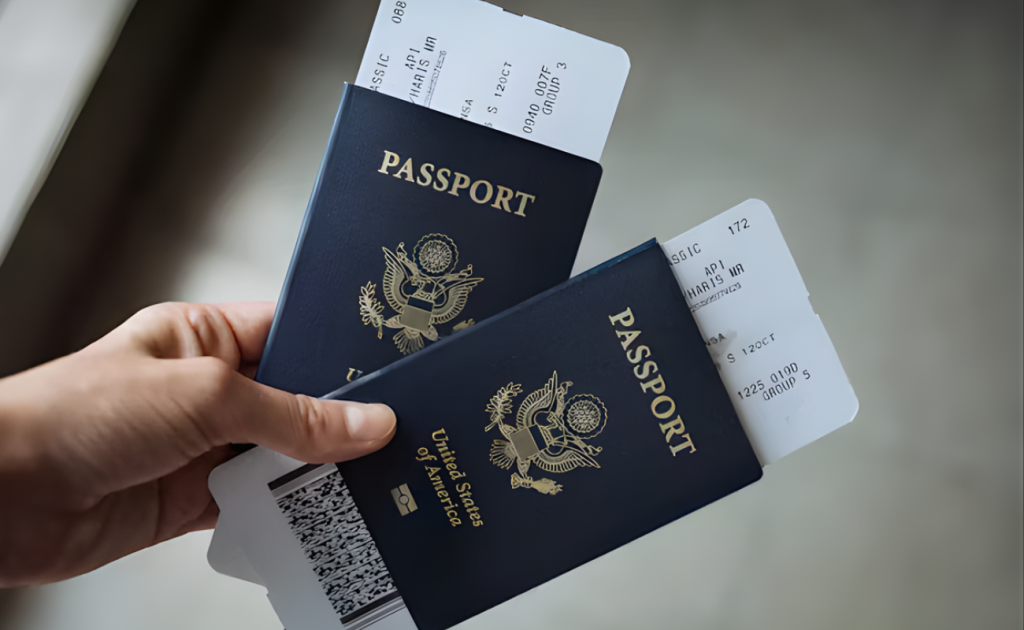
Airlines will likely deny boarding if your passport name doesn’t match your ticket exactly in 2026, though enforcement varies by mismatch severity and carrier policy. TSA’s Secure Flight Program mandates that names on boarding passes match government-issued identification, but minor variations like missing middle names or initials typically won’t prevent travel. Major discrepancies including misspelled first or last names, wrong surname order, or legal name changes without updated tickets trigger automatic boarding denials costing travelers $50 to $800 in correction fees or complete ticket repurchases.
The consequences escalated in 2025 as airlines tightened name verification protocols following increased identity fraud concerns. Missing middle names remain acceptable, but transposed names, typos in first or last names, and maiden versus married name conflicts require corrections before departure. Understanding which mismatches airlines tolerate versus which guarantee denied boarding prevents expensive surprises at airports.
TSA Secure Flight Program Requirements
What the Law Actually Says
The Transportation Security Administration’s Secure Flight Program requires airlines to collect passenger information including full name, date of birth, and gender for transmission to TSA at least 72 hours before departure. TSA cross-references this data against federal watchlists including the No Fly List and Selectee List to identify potential security threats before passengers reach airports. According to official TSA guidance on identification requirements, the agency prioritizes accurate passenger verification while acknowledging that minor formatting differences shouldn’t prevent legitimate travel.
The program aims to reduce misidentification of innocent travelers sharing names with watchlist individuals. By collecting detailed passenger data including birthdates and full names, TSA reduces false positives that previously caused boarding denials for passengers with common names. The system performs background checks automatically, clearing most travelers without additional screening.
TSA explicitly states that names on airline reservations must exactly match the names provided on applications for programs like TSA PreCheck and Global Entry. However, the agency acknowledges that small differences in formatting or middle name usage shouldn’t impact travel for the general flying public.
TSA Secure Flight Data Requirements:
- Full legal name as it appears on government ID
- Date of birth (month, day, and year)
- Gender designation (M, F, X, or U depending on state ID)
- Known Traveler Number (if enrolled in PreCheck or Global Entry)
- Redress Number (if previously misidentified on watchlists)
Airlines transmit this information to TSA who performs automated watchlist screening. The process typically completes within minutes for clear travelers. Passengers flagged for additional review receive notifications through airline systems and may face secondary screening at airports.
How Airlines Verify Passenger Identity
Airlines verify passenger identity at multiple checkpoints throughout the travel process. The first verification occurs during online check-in when passengers confirm personal information matches their reservation. The second happens at TSA security checkpoints where agents compare boarding passes against government-issued identification.
International flights require additional verification at airline check-in counters where agents examine passports for validity, proper visa documentation, and name consistency with tickets. Gate agents perform final identity checks before boarding, comparing boarding passes against passenger faces and occasionally requesting identification again.
The verification intensity varies by destination and perceived security risk. Domestic U.S. flights rely primarily on TSA checkpoint verification. International departures include airline counter checks, TSA security, and gate verification. Some high-security destinations require multiple identity confirmations throughout the boarding process.
Modern airline systems flag name discrepancies automatically during check-in attempts. Passengers whose ticket names don’t match identification records receive error messages preventing boarding pass issuance. The automated systems eliminate human discretion at self-service kiosks, forcing passengers to visit ticket counters for manual verification.
Enforcement Variations by Carrier
Major U.S. carriers including American Airlines, Delta Air Lines, and United Airlines enforce strict name matching policies. These airlines deny check-in to passengers whose ticket names contain errors in first or last names. Minor variations like missing middle names or suffix differences (Jr. vs Junior) typically receive approval after agents verify identity documents.
Budget carriers including Spirit Airlines and Frontier Airlines maintain even stricter policies. Their ultra-low-cost business models depend on automated processes minimizing human intervention. Name mismatches that major carriers might overlook often trigger boarding denials at budget airlines lacking flexibility to manually override systems.
International carriers flying to U.S. destinations follow American security protocols while also applying their home country regulations. British Airways, Lufthansa, Air France, and Emirates all enforce strict name matching for U.S. routes. Some foreign carriers allow greater flexibility on non-U.S. routes where American security requirements don’t apply.
Types of Name Mismatches and Their Consequences
Minor Acceptable Variations
Missing middle names represent the most common acceptable variation. Many airline booking systems lack fields for middle names or limit character counts forcing passengers to omit them. TSA explicitly acknowledges this limitation, stating that travelers using just first and last names shouldn’t face issues.
Middle initials versus full middle names also pass verification typically. A ticket reading “Sarah J. Martinez” matches a passport showing “Sarah Jane Martinez” without problems. Airlines systems often truncate middle names to single letters automatically during booking processes.
Suffix variations including Jr., Sr., II, III, and IV create occasional confusion but rarely prevent boarding. A ticket showing “Robert Johnson Jr” matches identification reading “Robert Johnson Junior” or even “Robert Johnson II” in most cases. TSA agents understand naming convention variations and apply common sense.
Acceptable Name Variations That Won’t Cause Problems:
- Middle name present on passport but absent from ticket
- Full middle name on passport, middle initial only on ticket
- Common nicknames in frequent flyer profiles (William/Bill, Robert/Bob)
- Suffix formatting differences (Jr. vs Junior, III vs 3rd)
- Extra spaces or hyphens in compound surnames
- Accent marks missing from ticket but present on passport
These variations survive automated verification systems and TSA checkpoint review. However, travelers should still attempt exact matches when booking to eliminate any possibility of complications. The variations pass scrutiny but require additional verification time at security checkpoints.
Compound surnames common in Hispanic cultures sometimes appear differently on tickets versus passports. The surname “Garcia Lopez” might display as “Garcia-Lopez,” “GarciaLopez,” or even just “Lopez” depending on airline system limitations. TSA agents familiar with cultural naming conventions typically approve these passengers after brief verification.
Critical Discrepancies That Deny Boarding
First name misspellings represent absolute deal-breakers for airline travel. A ticket reading “Sara Martinez” won’t match a passport showing “Sarah Martinez” despite the single letter difference. Airlines consider this a different person entirely, triggering automatic boarding denial.
Last name errors guarantee boarding refusal regardless of explanation or documentation. “Johnson” versus “Johnston,” “Smith” versus “Smyth,” or “Brown” versus “Browne” all fail verification. The systems treat these as completely different passengers triggering security alerts.
Name Mismatches That Guarantee Boarding Denial:
| Passport Name | Ticket Name | Issue | Resolution Cost |
| Sarah Martinez | Sara Martinez | First name typo (1 letter) | $50-$200 correction fee |
| John Smith | Jon Smith | First name misspelling | $50-$200 correction fee |
| Maria Garcia Lopez | Maria Lopez Garcia | Surname order reversed | $100-$300 correction |
| Jennifer Thompson | Jennifer Johnson | Wrong last name entirely | Cannot correct – repurchase ticket |
| Robert James Wilson | James Robert Wilson | First/middle names swapped | $100-$200 correction |
| Elizabeth Rodriguez | Liz Rodriguez | Nickname vs legal name | $50-$150 correction fee |
Transposed first and middle names cause significant problems. “Robert James Wilson” on passports versus “James Robert Wilson” on tickets appears as different people to verification systems. Agents cannot override these discrepancies requiring passengers to purchase new tickets or pay steep correction fees.
Wrong surnames entirely make tickets completely unusable. Booking a ticket as “Jennifer Johnson” when your passport reads “Jennifer Thompson” creates an impossible situation. Airlines cannot change surnames on tickets citing security concerns. Passengers must purchase entirely new tickets at current prices, often thousands of dollars for international flights.
Maiden Name vs Married Name Issues
Recently married travelers face the most common critical mismatch scenario. Booking tickets before weddings using maiden names then traveling after marriages with new passports causes boarding denials. Airlines strictly enforce that ticket names must match current passport names regardless of recent life changes.
The opposite situation occurs when newly married travelers update tickets to married names but haven’t received updated passports yet. The old passport shows maiden names while tickets reflect married names. This mismatch also triggers boarding denials despite documentation like marriage certificates.
Solutions for Name Change Situations:
- Travel using the name on your current valid passport (keep old passport until after trip)
- Bring marriage certificate as supporting documentation (helpful but not guaranteed)
- Carry both old passport (maiden name) and new passport (married name) if both remain valid
- Contact airline immediately after name change to update ticket before travel
- Pay correction fees ($50-$300) to match ticket to current passport
- Consider delaying international travel until passport and ticket names align
Marriage certificates help explain discrepancies to sympathetic airline agents but don’t guarantee boarding approval. TSA requires that the name on tickets match valid identification documents being used for travel. Extra documentation supplements but doesn’t replace this fundamental requirement.
Some travelers keep expired passports with maiden names to match tickets booked before marriages. While creative, this strategy fails because expired passports aren’t valid identification for international travel. Domestic travel might permit expired passports as secondary identification, but airlines and TSA maintain discretion to refuse them.
Correction Costs and Airline Policies
Legacy Carrier Fee Structures
American Airlines charges $50 to $200 for name corrections depending on fare class and ticket type. Basic Economy fares prohibit name corrections entirely requiring complete ticket repurchases. Main Cabin and higher fare classes allow corrections for fees that escalate closer to departure dates. With American Airlines implementing major policy changes in 2026, passengers should familiarize themselves with the carrier’s evolving fee structures and restrictions before booking.
American permits one free minor correction per ticket for typos of three letters or less if caught within 24 hours of booking. After 24 hours, all corrections cost $50 minimum for domestic tickets and $200 for international flights. The airline defines minor corrections as single-letter typos, not wrong names entirely.
American Airlines Name Correction Policy:
- Within 24 hours of booking: Free correction for minor typos (3 letters or less)
- After 24 hours, domestic flights: $50-$100 correction fee plus fare difference
- After 24 hours, international flights: $200-$300 correction fee plus fare difference
- Basic Economy: No corrections permitted, must repurchase ticket
- Wrong passenger entirely: Cannot correct, must purchase new ticket
- Processing time: 2-24 hours depending on verification requirements
Delta Air Lines allows one complimentary name correction per ticket for minor spelling mistakes if requested within 24 hours of purchase. After 24 hours, corrections cost $50 for domestic tickets and $200 for international flights. Delta defines minor corrections as errors of three letters or less in first or last names.
Delta maintains stricter policies for Basic Economy tickets prohibiting all name changes including corrections. Passengers discovering errors on Basic Economy tickets must cancel within 24 hours and rebook or forfeit ticket values entirely. The inflexible policy reflects Delta’s basic fare structure trading restrictions for lower prices.
United Airlines charges $125 flat fee for same-day name corrections at airports. Online or phone corrections cost $75 for domestic tickets and $200 for international flights. United allows corrections for misspellings, typos, and legal name changes with proper documentation.
Budget Airline Restrictions
Southwest Airlines offers the most passenger-friendly name correction policy among major U.S. carriers. The airline permits one free name correction per ticket for minor typos regardless of when discovered. This policy distinguishes Southwest from competitors charging fees immediately after 24-hour windows close. For travelers navigating the realities of flying economy class in 2026, understanding carrier-specific policies on corrections and changes becomes essential for budget-conscious planning.
Southwest defines correctable typos as variations of three letters or less in first or last names. Completely wrong names require cancelling tickets and rebooking. Southwest’s no change fees policy extends to name corrections making the carrier attractive for travelers worried about booking errors.
Spirit Airlines and Frontier Airlines prohibit name corrections entirely on most fares. Their systems treat name changes as transferring tickets to different passengers, which federal regulations prohibit for security reasons. Passengers discovering name errors must cancel tickets and rebook, paying cancellation penalties plus current fare prices.
Budget Carrier Name Policies Comparison:
| Airline | Correction Fee | Time Limit | Restrictions | Cancellation Option |
| Southwest | $0 (free) | Anytime before travel | Max 3-letter difference | Yes, with refund to travel credit |
| Spirit | Not permitted | N/A | All name changes prohibited | Yes, lose ticket value |
| Frontier | Not permitted | N/A | All name changes prohibited | Yes, lose ticket value |
| Allegiant | $25 per correction | Before check-in | Minor typos only | Yes, $25 cancellation fee |
| Sun Country | $50 per correction | Up to 2 hours before departure | Spelling errors only | Yes, fees apply |
JetBlue Airways charges $75 for name corrections on most fares. The airline defines corrections as fixing typos or spelling errors, not changing tickets to different passengers. JetBlue processes corrections through customer service phone lines or airport ticket counters, not online.
International Carrier Variations
British Airways allows complimentary name corrections for minor spelling mistakes caught within 24 hours of booking. After 24 hours, corrections cost £40 ($52) per passenger per ticket. The airline requires supporting documentation for legal name changes including marriage certificates or court orders.
Air France and KLM charge €50 to €100 ($55 to $110) for name corrections depending on fare class and route. Premium cabin tickets receive more flexibility than economy fares. The airlines process corrections through customer service requiring 24 to 48 hours for verification.
Emirates maintains strict name matching policies requiring tickets to exactly match passports. The airline charges AED 400 to 600 ($109 to $163) for name corrections. Emirates often denies corrections entirely for deeply discounted promotional fares requiring complete ticket repurchases instead.
Lufthansa Group airlines including Lufthansa, Swiss, and Austrian Airlines charge €75 ($82) for name corrections on most fares. The fee increases to €150 ($164) for tickets booked through travel agencies or third-party websites. Group booking systems complicate correction processes requiring manual intervention.
How to Fix Name Mismatches
Immediate Actions Within 24 Hours
Cancel and rebook immediately if discovering name errors within 24 hours of purchase. Federal regulations require U.S. airlines to allow penalty-free cancellations within 24 hours of booking for flights departing seven or more days later. This Department of Transportation consumer protection rule provides the cleanest solution for fixing errors without incurring fees.
The 24-hour cancellation window applies only to tickets purchased directly from airlines. Third-party booking sites including Expedia, Priceline, and Booking.com may impose their own cancellation policies. Always check specific terms when using online travel agencies.
Steps for 24-Hour Error Corrections:
- Immediately cancel the incorrect ticket through the airline website or customer service
- Verify the cancellation refund posts to original payment method (usually 5-10 business days)
- Rebook the ticket using correct name matching passport exactly
- Double-check all passenger names before completing new purchase
- Save both confirmation numbers until refund appears on credit card
Some airlines offer 24-hour holds instead of cancellations. Frontier and Spirit sometimes provide holds rather than free cancellations. Passengers must complete purchases within 24 hours or lose reservations. This distinction matters when discovering errors immediately after initial bookings.
International airlines operating flights entirely outside the United States don’t fall under DOT 24-hour rules. Foreign carriers including Ryanair, easyJet, and AirAsia maintain their own policies often prohibiting free cancellations. Read fine print carefully when booking international carriers.
Correction Procedures After 24 Hours
Contact airline customer service immediately upon discovering mismatches after 24-hour windows expire. Have passport in hand to provide exact spelling for corrections. Customer service representatives access correction systems unavailable to passengers online.
Many airlines process simple typo corrections over the phone for fees ranging from $50 to $200. Agents verify identity, confirm correct spelling, and update reservation systems. Processing typically completes within 2 to 24 hours depending on airline procedures.
Phone Correction Process:
- Call airline customer service (not third-party booking site) with booking confirmation
- Explain the name discrepancy clearly and provide correct spelling
- Have passport available to spell name exactly as shown
- Request correction fee quote before agreeing to charges
- Provide payment method for correction fee
- Request email confirmation showing corrected name
- Verify correction appears on reservation within 24 hours
Some airlines require airport ticket counter visits for name corrections citing security verification requirements. This policy frustrates travelers discovering errors after arriving at airports. Allow extra time for airport corrections preventing missed flights. As airlines work to reduce flight delays and improve operations, passenger-caused delays from name corrections face less tolerance from gate agents racing to maintain on-time performance.
Online correction options remain limited across the industry. Most airline websites lack self-service name correction tools. Passengers must call customer service or visit airport counters creating bottlenecks during peak travel periods.
Legal Name Change Documentation
Airlines require official documentation for legal name changes including marriages, divorces, or court-ordered changes. Acceptable documents include marriage certificates, divorce decrees, court orders, and updated driver’s licenses showing both old and new names.
Bring original documents or certified copies to airports. Airlines reject photocopies or digital images of legal documents. Many travelers forget this requirement, arriving with only phone photos of marriage certificates. TSA and airline agents need physical documents to verify legitimacy.
Required Documentation for Legal Name Changes:
- Original or certified copy of marriage certificate showing both names
- Divorce decree showing maiden name restoration
- Court order for legal name change with official seals
- Driver’s license showing transition (both old and new if possible)
- Old passport with maiden name plus new passport with married name
- Updated social security card reflecting new name
The documentation provides proof of identity continuity helping agents confirm the passenger using a maiden name ticket is the same person holding a married name passport. Without documentation, agents cannot override security systems blocking check-in.
Some countries including the Philippines and Mexico require additional notarization or apostille certifications for foreign marriage certificates. Research destination country requirements before traveling with name change documentation.
Prevention Strategies
Booking Best Practices
Always book flights using your legal name exactly as it appears on the identification document you’ll use for travel. For international flights, this means using your passport name precisely including all spellings, hyphens, and accent marks.
Avoid nicknames, abbreviations, or preferred names when booking airline tickets. Save casual names for frequent flyer profiles and loyalty program accounts. The booking name must match government identification regardless of what you call yourself in everyday life.
Name Booking Checklist Before Confirming Purchase:
- Spelling matches passport letter-by-letter
- First name appears in correct position
- Last name appears in correct position
- Middle name included or excluded consistently
- Suffixes (Jr., Sr., III) formatted correctly
- Hyphens, spaces, and apostrophes match passport
- Accent marks omitted (most airlines don’t support them)
- Double-checked spelling at least twice
Take photos of passport pages while booking to reference exact spellings. Many errors occur when travelers rely on memory rather than physically checking documents. The extra 30 seconds prevents expensive correction fees later.
Update frequent flyer profiles before booking to ensure stored names match current identification. Many passengers use outdated profiles containing maiden names or incorrect spellings. Booking through profiles automatically populates ticket names with wrong information.
Using Passport Names for All Travel
Maintain consistency by always using passport names for international travel bookings. Don’t switch between passports and driver’s licenses for identification even on domestic flights. This consistency prevents confusion about which name appears on tickets.
Many travelers use driver’s licenses for domestic flights and passports for international trips. This strategy works only if both documents show identical names. Name changes or variations between documents cause problems when unexpectedly needing alternate identification.
Travelers holding passports in one name and driver’s licenses in another face ongoing booking challenges. Consider updating driver’s licenses to match passports or vice versa. The alignment simplifies travel eliminating questions about name discrepancies.
U.S. passport holders can include all surnames and variations in passport applications. The State Department accommodates compound surnames, hyphens, and multiple last names. According to official U.S. passport name guidelines, applicants can work with passport specialists to ensure documents reflect proper name formatting for international travel. Use this flexibility to ensure passports match how airlines display names in reservation systems.
Verification Steps Before Departure
Verify ticket names match identification documents at least two weeks before departure. This timing allows corrections through airline customer service without emergency fees. Last-minute corrections cost more and risk unavailability due to processing timeframes.
Complete online check-in exactly 24 hours before domestic departures or as soon as airlines open international check-in windows. The check-in process reveals name mismatches before reaching airports. Early discovery allows time for corrections preventing airport chaos.
Pre-Departure Verification Timeline:
- 2-3 weeks before travel: Review ticket confirmation against passport
- 1 week before travel: Contact airline if corrections needed
- 24 hours before departure: Complete online check-in to verify acceptance
- Day of travel: Bring supporting documentation (marriage certificate, etc.) if any concerns exist
- At airport: Arrive early to allow time for counter verification if needed
Take screenshots of corrected tickets and boarding passes. These records prove corrections were made if systems fail to update properly. Gate agents can override automated systems when shown evidence of completed corrections.
Print boarding passes as backups for international travel. Some countries require printed passes for immigration processing. Phone battery failures or app malfunctions won’t strand you without paper passes in hand.
Real Traveler Experiences and Outcomes
Successfully Boarding With Minor Mismatches
Thousands of travelers fly successfully with minor name variations annually. Missing middle names rarely prevent boarding despite technically violating exact match requirements. TSA agents and airline staff exercise discretion for obviously minor discrepancies.
One traveler reported flying internationally with “Sarah J. Martinez” on tickets while passport showed “Sarah Jane Martinez Lopez.” The agent verified identity using passport photo and birthdate. The middle name variation and missing maternal surname didn’t prevent boarding after brief questioning.
Another passenger flew with “Robert Johnson Jr” on tickets and “Robert Anthony Johnson Junior” on his passport. Gate agents initially hesitated but ultimately allowed boarding after confirming birthdates matched. The suffix variation plus missing middle name survived scrutiny.
Common Scenarios Where Minor Mismatches Succeeded:
- Middle names present on passport but absent from ticket (very common, rarely problematic)
- Middle initials on ticket, full middle names on passport (usually accepted)
- Missing accent marks on tickets that appear on passports (often overlooked)
- Suffix formatting differences (Jr/Junior, III/3rd) – typically approved
- Extra spaces in compound names (San Martin vs. Sanmartin) – usually accepted
These success stories don’t guarantee similar outcomes for all travelers. Agent discretion varies by individual, airline, and current security alert levels. Travelers shouldn’t rely on potential leniency when exact corrections are possible.
Denied Boarding and Ticket Losses
Passengers with significant name mismatches face harsh consequences including denied boarding and forfeited ticket values. One traveler booked tickets as “Jennifer Johnson” for her honeymoon but obtained a new passport showing married name “Jennifer Martinez.” The airline refused boarding despite marriage certificate documentation.
She paid $847 to purchase a new last-minute ticket matching her current passport. The original $385 ticket became worthless because Basic Economy fares prohibit name corrections. The mistake cost over $1,200 in total for ticket repurchase plus lost original fare.
Another passenger transposed his first and middle names booking tickets as “James Robert Wilson” when his passport read “Robert James Wilson.” United Airlines denied online check-in flagging the name discrepancy. The correction fee quoted at $200 plus the agent needed 24 hours to process. He missed his flight and paid $650 for same-day rebooking.
Costly Name Mismatch Examples:
- Wrong surname entirely: $385 ticket lost, $847 replacement purchased ($1,232 total loss)
- Transposed first/middle names: $200 correction fee + $650 rebooking ($850 lost)
- Typo in last name (Smith/Smyth): $150 correction fee + missed work ($150+ lost)
- Maiden name ticket, married name passport: $2,100 international ticket repurchased
- Nickname vs legal name: $75 correction fee for $200 ticket (38% of ticket cost)
These cautionary tales demonstrate that name mismatches cost real money with no guarantees airlines will accommodate errors. Prevention beats correction in every scenario.
Successful Correction Stories
Some travelers successfully corrected name mismatches through persistent customer service outreach and proper documentation. One passenger discovered her married name ticket didn’t match her maiden name passport three days before departure. She called airline customer service explaining the situation.
The agent required emailed copies of her marriage certificate, old driver’s license showing maiden name, and new driver’s license showing married name. After reviewing documents for 48 hours, the airline updated the ticket to match her maiden name passport. The correction cost $150 but prevented a $1,800 ticket repurchase.
Another traveler caught a one-letter typo in his last name (“Johnston” vs “Johnson”) two weeks before travel. He immediately called the airline and paid a $75 correction fee. The agent processed the change within four hours. His early discovery and quick action prevented airport problems.
Keys to Successful Corrections:
- Early discovery (weeks before travel, not hours)
- Complete documentation gathering
- Polite but persistent customer service communication
- Willingness to pay correction fees promptly
- Following up to verify changes processed correctly
- Allowing processing time (24-72 hours typical)
These positive outcomes required proactive travelers who addressed problems immediately upon discovery. Waiting until airports guarantee worse outcomes with fewer options.
Conclusion
Name mismatches between your passport or ID and your airline ticket can lead to denied boarding in 2026, especially if your first or last name is incorrect. TSA Secure Flight screening requires your ticket name to match your government identification, and enforcement is stricter for major discrepancies than for missing middle names.
Costs range from small correction fees for minor typos caught early to full ticket repurchasesoften expensive on international routes and restrictive fares like Basic Economy once change windows close. Relying on airport discretion is risky because airlines and agents may have limited ability to fix name issues on departure day.
Prevent problems by entering your name exactly as it appears on your passport for international travel and verifying spelling against the document before you pay. If you notice an error, contact the airline immediately to correct it while options are still available, and bring supporting documents (e.g., marriage certificate) if you have a legitimate name change.
For comprehensive guidance on navigating airline policies and protecting your travel investment, explore our travel blog for expert tips and current industry updates.
Frequently Asked Questions
Will TSA let me through security if my name doesn’t match?
Sometimes. Minor differences like a missing middle name usually pass with extra screening, but wrong first or last names can stop you. Even if the TSA allows you through, the airline can still deny boarding.
Can I fly if my ticket name and passport name are different?
Only for minor differences. Major mismatches (different first or last names) usually prevent check-in and boarding, requiring a name correction or new ticket.
How much does it cost to correct a name on an airline ticket?
Costs range from free within 24 hours to about $50–$300 depending on airline and route. Some budget airlines require buying a new ticket instead.
What counts as a minor name difference airlines will accept?
Missing middle names, initials, suffix formatting, spacing, hyphens, and accent marks are usually accepted. First or last name errors are not considered minor.
Can I use my driver’s license if it doesn’t match my passport?
For U.S. domestic flights, your ticket must match the ID you present. For international flights, your ticket must match your passport exactly.
What happens if I discover a name mismatch at the airport?
Go to the airline counter before security immediately. Minor errors may be fixed for a fee, but major mismatches often require buying a new ticket.
Will airlines refund tickets if the name is wrong?
Usually no. Refunds typically apply only within the 24-hour booking window or on refundable fares; otherwise, correction fees or rebooking apply.
Related posts:
 Will I Lose My Seat If I Don’t Check In Early? 2026 Airline Check-In Rules & Deadlines
 Does United Airlines Have Free Wi-Fi?
 ETIAS Europe 2026: The $23 Fee Every American Needs to Pay Before Flying to 30 European Countries
 United Airlines Family Seating Rules in 2026: Will Children Under 13 Sit with Parents?