Quick Takeaways
- 99% of TSA PreCheck travelers wait under 10 minutes vs 45+ minutes in standard lines
- Left security lanes are 15 to 20% less crowded than right lanes
- Slip-on shoes save 2 to 3 minutes per security check
- Free airport lounge access available with 40+ credit cards (no elite status)
- Empty water bottles are TSA-approved and save $4 to 6 per trip
- Arriving early remains the no.1 missed-flight prevention strategy
Introduction:
Airport travel in 2026 is more efficient than a decade ago, but it is also more congested, more automated, and less forgiving of mistakes. Passenger volumes have surpassed pre-2020 levels at major U.S. hubs, while staffing, terminal space, and security throughput have not scaled proportionally. The result: longer lines, tighter boarding windows, and higher penalties for small errors. This is why airport hacks are no longer optional tricks. They are operational strategies.
According to TSA data, travelers enrolled in expedited screening programs move through security 4 to 6 times faster than standard passengers. Yet the majority of travelers still pack inefficiently, choose the slowest lines, and pay unnecessary fees for food, water, and lounge access.
This guide compiles 12 expert-verified airport hacks for 2026 used by frequent flyers, airline staff, and industry insiders. Every tactic focuses on time saved, stress reduced, or money kept. No gimmicks. No myths. If you fly twice a year, these tips prevent missed flights. If you fly twice a month, they compound into hours saved annually. Now, let’s get into the 12 expert airport hacks.
1. Choose the Right Security Lane (The Biggest Time Saver)
Not all airport security lines are equal, even within the same checkpoint.
Security Lane Comparison
| Lane Type | Average Wait | Best For |
| TSA PreCheck | 3 to 7 minutes | Approved members |
| Standard Left Lane | 15 to 25 minutes | Non-members |
| Standard Right Lane | 25 to 40 minutes | Avoid |
| Family Lane | 20 to 35 minutes | Strollers, children |
| Far-Terminal Lanes | 10 to 20 minutes | Willing to walk |
Verified fact: TSA reports that 99% of PreCheck passengers wait under 10 minutes.
Behavioral insight: Roughly 60 to 70% of people are right-hand dominant, causing natural crowding to the right. Left-side lines consistently move faster.
Advanced hack: Avoid X-ray lanes staffed with multiple agents. Training sessions slow throughput significantly.
2. Time Your Arrival Strategically (Not Emotionally)
Arriving “early” without structure often just means wasting time landside (parking, bag drop, long walks) and still feeling rushed at security. Arriving late is worse: one delay compounds into a missed flight.
Treat arrival time as risk management, not a vibe. Your buffer protects you from the three common failure points: parking/transport delays, bag-drop variability, and security surges.
Optimal Airport Arrival Times
| Flight Type | Arrival Time | Rationale |
| Domestic | 2 hours | TSA baseline + check-in variance |
| International | 3 hours | Document checks + longer queues |
| Peak travel (holidays/weekends) | +30 to 60 min | Lines often double or triple |
| Small airports | 90 minutes | Faster processing, fewer choke points |
When to Add More Buffer (Most Travelers Should)
- Checking a bag: add 15–30 minutes (bag-drop lines swing hard by staffing and flight banks)
- Parking/shuttle required: add 15–25 minutes (lots + shuttles create surprise delays)
- Large hubs: add 15–30 minutes (checkpoint surges happen fast)
- Traveling with kids/assistance needs: add 20–40 minutes (more time at every step)
Actionable Tip (Do This Before You Leave)
- Check real-time security wait times on your airport’s official site/app.
- If the airport shows multiple checkpoints, go to the lowest posted wait time even if it’s a longer walk.
3. Pack for Security Speed, Not Convenience
Security delays are almost always self-inflicted. The fastest travelers pack so they can unload the “problem items” in seconds, not minutes. Your goal is simple: nothing should require digging, reorganizing, or repacking at the belt.
Liquids Strategy (TSA-Compliant): Keep liquids frictionless. Use containers ≤ 3.4 oz (100 ml), place all liquids in one quart-size bag, and keep that bag on top of your carry-on so you can grab it instantly if asked.
Electronics Strategy: Pack your laptop where it can be removed in one motiontop layer or front pocket. Keep loose items like chargers and batteries together, ideally in jacket pockets or a single pouch, so they don’t trigger extra screening. If you use a TSA-friendly laptop bag, you may not need to remove the laptop at all, depending on the checkpoint.
Clothing That Slows You Down: Wear items that clear the scanner on the first pass. Boots and lace-up sneakers slow you down at the bench. Belts with large buckles and excess jewelry increase the chance of alarms. The simplest upgrade is footwear: slip-on shoes typically save 2 to 3 minutes per screening because you eliminate removal and re-lacing time.
If you want a strict checklist of what counts as a liquid or gel (and what triggers bag checks), use the short guide on airport security rules.
4. Use TSA PreCheck, Global Entry, or CLEAR (Correctly)
Expedited screening is the single highest-ROI airport hack because it removes the biggest variable in airport travel: the security line. The key is choosing the program that matches how you actually fly (domestic-only vs international) and where you fly (CLEAR availability varies by airport).
Program Comparison
| Program | Cost | Duration | Core Benefit | Best For |
| TSA PreCheck | $78 to 85 | 5 years | Shoes/belt stay on, laptop stays packed | Mostly domestic flyers |
| Global Entry | $120 | 5 years | Includes TSA PreCheck + expedited U.S. customs | Anyone flying international yearly |
| CLEAR | $209/year | Annual | Biometric ID lane to skip the ID check step | Frequent flyers at CLEAR airports |
Best value: Global Entry. It includes TSA PreCheck for about $35 more, so it’s the better default if you take even one international trip per year.
Use this quick rule to decide:
- Choose TSA PreCheck if you fly primarily domestic and want the simplest upgrade.
- Choose Global Entry if you fly international at least once per year or want the most complete coverage.
- Choose CLEAR only if your home airport reliably supports it and you fly enough to justify the annual fee.
Critical note: Over 40 travel credit cards reimburse TSA PreCheck or Global Entry application fees automatically, which makes this hack effectively free for many travelers.
5. Exploit Free Airport Lounge Access (No Elite Status Required)
Airport lounges are no longer reserved for first-class tickets or airline elite status. In 2026, the most reliable way to unlock lounge access is through travel credit cards that include Priority Pass or issuer-specific lounge networks. The practical value is simple: free food and drinks, quieter seating, and faster Wi-Fi especially during delays and long connections.
Credit Cards With Lounge Access
| Card | Annual Fee | Lounge Network |
| Amex Platinum | $695 | Centurion, Priority Pass, Delta Sky Club |
| Capital One Venture X | $395 | Priority Pass |
| Chase Sapphire Reserve | $550 | Priority Pass |
| Amex Green | $150 | Priority Pass (enrollment required) |
2026 update: Capital One Venture X removes free guests starting Feb 1, 2026, which means guest visits may cost extra depending on the lounge policy.
Why this matters: Priority Pass purchased directly can cost $469/year for the top tier. In most cases, getting Priority Pass access bundled through a $150 to $395 annual-fee travel card delivers better value, especially if you use lounges even a few times per year.
6. Bring an Empty Water Bottle (Yes, It’s Allowed)
According to TSA confirmation empty bottles pass security. Full ones do not. This is one of the simplest airport hacks that saves both money and time, especially at major hubs where bottled water prices are inflated.
- What to do: Pack an empty reusable bottle in your carry-on, then fill it at a fountain or refill station after the checkpoint.
- Why it works: You skip the post-security purchase line and avoid airport markups.
Annual Savings (10 Flights)
| Option | Cost | Time |
| Buy water post-security | $40 to 60 | 15 to 50 min |
| Bring empty bottle | $0 | ~5 min |
Key point: Airport water markups can exceed 300% at major hubs, so this tactic compounds quickly if you fly several times per year.
7. Wear Your Bulkiest Items Onboard
Wearing your bulkiest items onto the plane is a simple way to reduce carry-on weight and avoid baggage fees or surprise gate checks. Heavy shoes, jackets, and layered clothing take up valuable space in your bag but cost nothing when worn.
This strategy is especially useful on airlines with strict carry-on enforcement or tight weight limits. Wear heavier footwear through the airport, put on your coat before boarding, and use layers you can remove once seated. Avoid sandalsairport floors are not hygienic, and closed shoes are more practical for security and long walks through terminals.
8. Bring Your Own Snacks
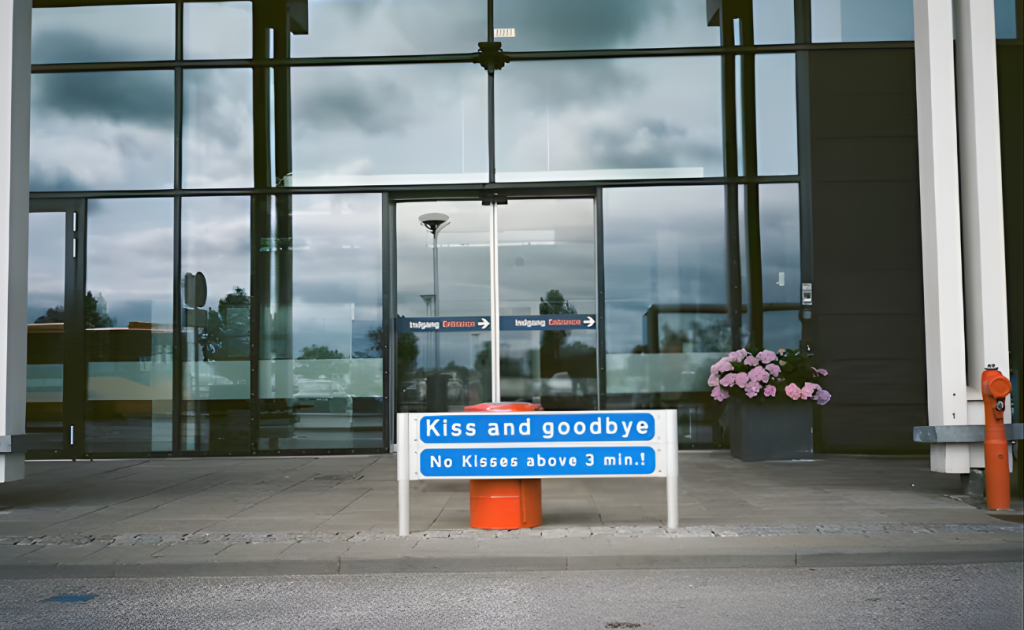
Airport food routinely costs 200 to 400% more than the same items outside the terminal. Packing a few snacks in your personal item prevents impulse buys, cuts time spent in concession lines, and protects you during delays when options near the gate are limited.
Typical Markups
| Item | Airport | Outside |
| Water | $4 to 6 | $1 |
| Granola bar | $3 to 5 | $1 |
| Sandwich | $12 to 18 | $6 |
Keep it simple: bring solid foods you can eat anywhere (granola bars, nuts, crackers, fruit, sandwiches). Solid foods are TSA-approved, while liquids and gels (yogurt, soup, peanut butter) must follow the 3.4 oz rule and are more likely to trigger extra screening.
9. Use the “Shopping Bag” Carry-On Hack
Items purchased inside the airport are often treated differently than your standard 1 carry-on + 1 personal item allowance. In practice, many gate agents do not count a small retail shopping bag the same way they count a third piece of luggage, especially if it looks like a normal airport purchase and stays manageable.
Use this responsibly. Keep the bag small, avoid turning it into a second carry-on, and don’t block aisles or slow boarding. If a flight is full or your airline is strict on enforcement, be ready to consolidate items back into your main bags.
10. Avoid Peak Turbulence With Morning Flights
Meteorology matters. In most regions, the atmosphere is typically calmer in the morning and becomes more unstable later in the day as the ground heats up, which can increase turbulence risk. Morning departures also reduce delay exposure because fewer earlier disruptions have had time to cascade through the network.
Time-of-Day Turbulence Risk
| Departure Time | Turbulence Risk | Why It Tends to Happen |
| 6 to 10 am | Lowest | Cooler air + less daytime convection |
| 10 am to 2 pm | Moderate | Heating increases air movement |
| 2 to 6 pm | Highest | Peak convection + storms more likely |
Operational bonus: early flights also tend to have the best on-time performance, often cited as 95%+ on-time rates compared with later departures, because the day’s delays haven’t stacked up yet.
Operational bonus: early flights also tend to have the best on-time performance because the day’s delays haven’t stacked up yet. If turbulence makes you anxious, use the coping playbook of turbulence anxiety.
11. Track Your Bags Like an Insider
Lost time at baggage claim and overweight fees are two of the easiest travel problems to prevent. A few simple habits dramatically reduce stress if a bag is delayed and help you move faster once you land.
- Photograph your checked bag before drop-off. If your luggage is delayed, airline staff can locate it much faster with a photo than with a generic description.
- Use an AirTag or Tile tracker. Trackers provide real-time location data, which is especially helpful during connections or if a bag misses a flight.
- Add a bright ribbon or distinctive tag. This makes your bag instantly recognizable on the carousel and saves time searching.
One more reason to prepare: overweight bags can cost $100 to $400 depending on the airline and how far over the limit you are. Weighing your bag and redistributing items before you leave home avoids both fees and last-minute repacking at the airport.
If your bag is delayed or a flight disruption triggers credits, vouchers, or refunds, reference this guide on refunds credits and vouchers what travelers should expect before you accept anything at the counter.
12. Use Mobile Boarding Passes (With a Backup)
Mobile boarding passes reduce friction at nearly every airport touchpoint, from check-in kiosks to security and boarding gates. They eliminate printer issues, prevent lost paper passes, and speed up ID and boarding checks because everything is already on your phone.
Always take one extra step: screenshot your boarding pass. Airline apps can log you out, crash, or fail to load if Wi-Fi or cellular service is spotty at the gate. A saved screenshot ensures you can board even if the app stops working.
Common Mistakes to Avoid
Mistake 1: Arriving Too Late
Most missed flights happen because travelers underestimate parking, shuttles, bag drop, or sudden security surges. Once you fall behind schedule, airports do not provide recovery time.
Fix:
- Domestic flights: arrive 2 hours early (minimum)
- International flights: arrive 3 hours early (minimum)
- Peak travel (holidays/weekends): add 30 to 60 minutes
Cost of the mistake: $200 to $800 in change fees plus fare differences, depending on the airline and route.
Mistake 2: Not Checking TSA Rules Before Packing
Many security delays are caused by items that should never be in a carry-on. When a bag is pulled for inspection, it slows both you and everyone behind you.
Common confiscations:
- Liquids over 3.4 oz
- Full-size toiletries
- Extra lighters (typically one allowed; additional confiscated)
- Tools over 7 inches
- Gel foods treated as liquids (peanut butter, jam)
Fix: Check TSA.gov “What Can I Bring?” before packing. If there’s any doubt, place the item in a checked bag.
Mistake 3: Not Using a Mobile Boarding Pass (or No Backup)
Paper boarding passes increase friction through printer issues, lost documents, and slower scanning at checkpoints and gates.
Fix:
- Download the airline’s app
- Save the boarding pass to your phone wallet when available
- Backup: screenshot the boarding pass in case the app fails or Wi-Fi is unavailable
Mistake 4: Wearing Complicated Shoes or Clothing
Security works fastest when you clear the scanner on the first attempt. Lace-up boots, heavy jewelry, and metal belts create delays at the bench and increase alarm triggers.
Fix your outfit for speed:
- Wear slip-on shoes
- Keep jewelry minimal
- Skip the belt (or use a low-metal/reversible belt)
- Wear a jacket with pockets for phone and wallet
Time saved: 3 to 8 minutes per security check, depending on how much you normally remove and re-pack.
Conclusion
Airport stress is not inevitable. It’s usually procedurally caused by predictable bottlenecks like the wrong security lane, poor packing that triggers bag checks, and late arrivals that leave no margin for delays. The advantage in 2026 goes to travelers who treat the airport like a system: choose the fastest line, remove friction from screening, and eliminate overpriced last-minute purchases.
These airport hacks for 2026 target the highest-leverage points: line choice, preparation, timing, and access. Implement three and you’ll feel the difference immediately. Implement all twelve and airport travel becomes repeatable faster through security, calmer at the gate, and significantly cheaper over a year of flying. Share these strategies with anyone you travel with, because prepared groups move faster.
Safe travels!
For more practical travel strategies, airline rule updates, and money-saving guides, explore the latest resources at talktravel.
Frequently Asked Questions
Can I bring food through airport security?
Yes. Solid foods such as sandwiches, fruit, and snacks are allowed through TSA security. Liquids and gels over 3.4 oz are not permitted in carry-on bags.
Is the TSA PreCheck worth it?
Yes if you fly three or more times per year. The cost averages about $16 per year over five years and significantly reduces security wait times.
How early should I arrive at the airport?
Arrive at least 2 hours early for domestic flights and 3 hours early for international flights. During holidays or peak travel periods, add extra buffer time.
Can I access airport lounges without flying first class?
Yes. Airport lounge access is available through certain credit cards, paid day passes, military programs, and lounge memberships, even without first-class tickets or elite status.